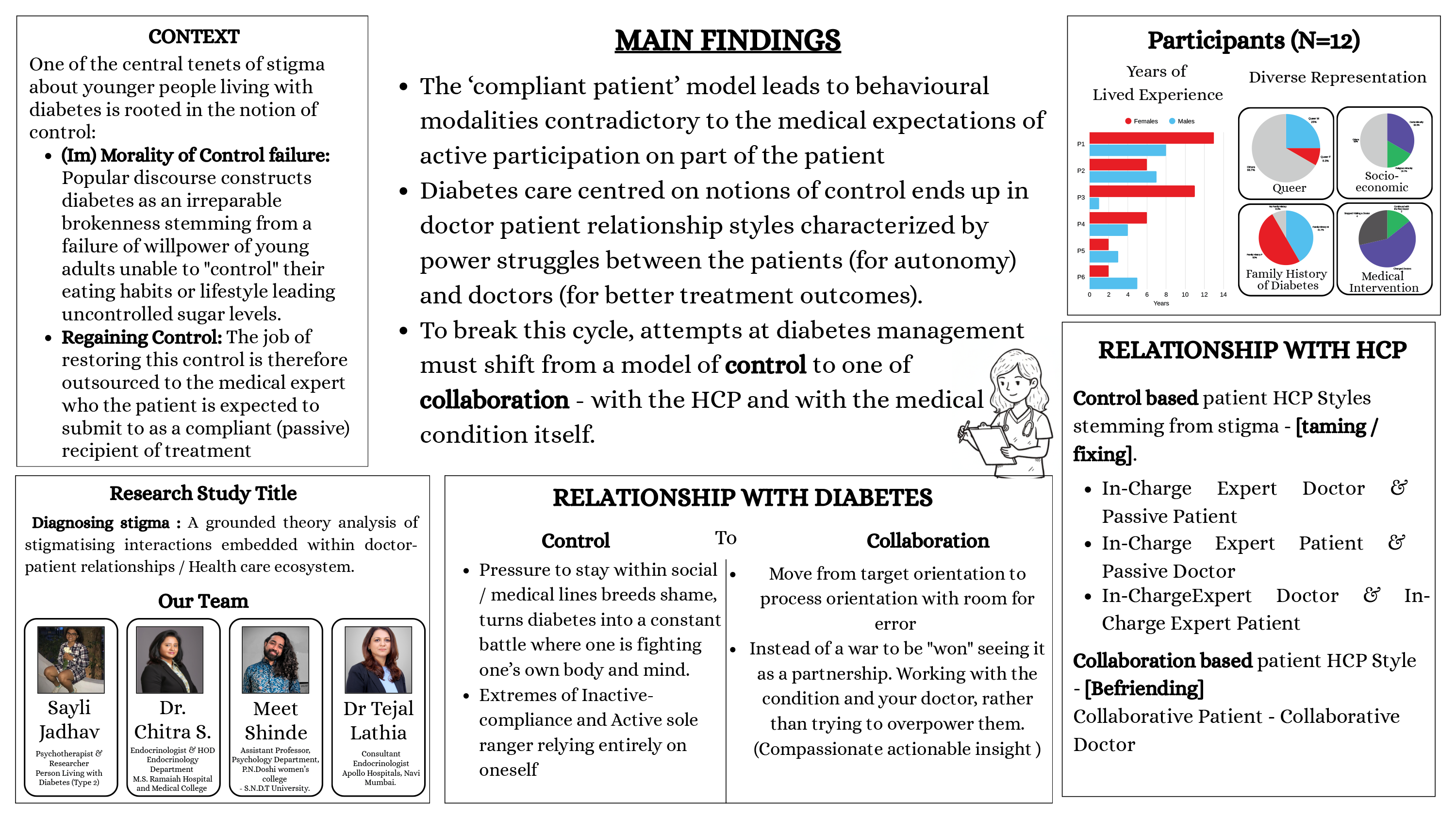
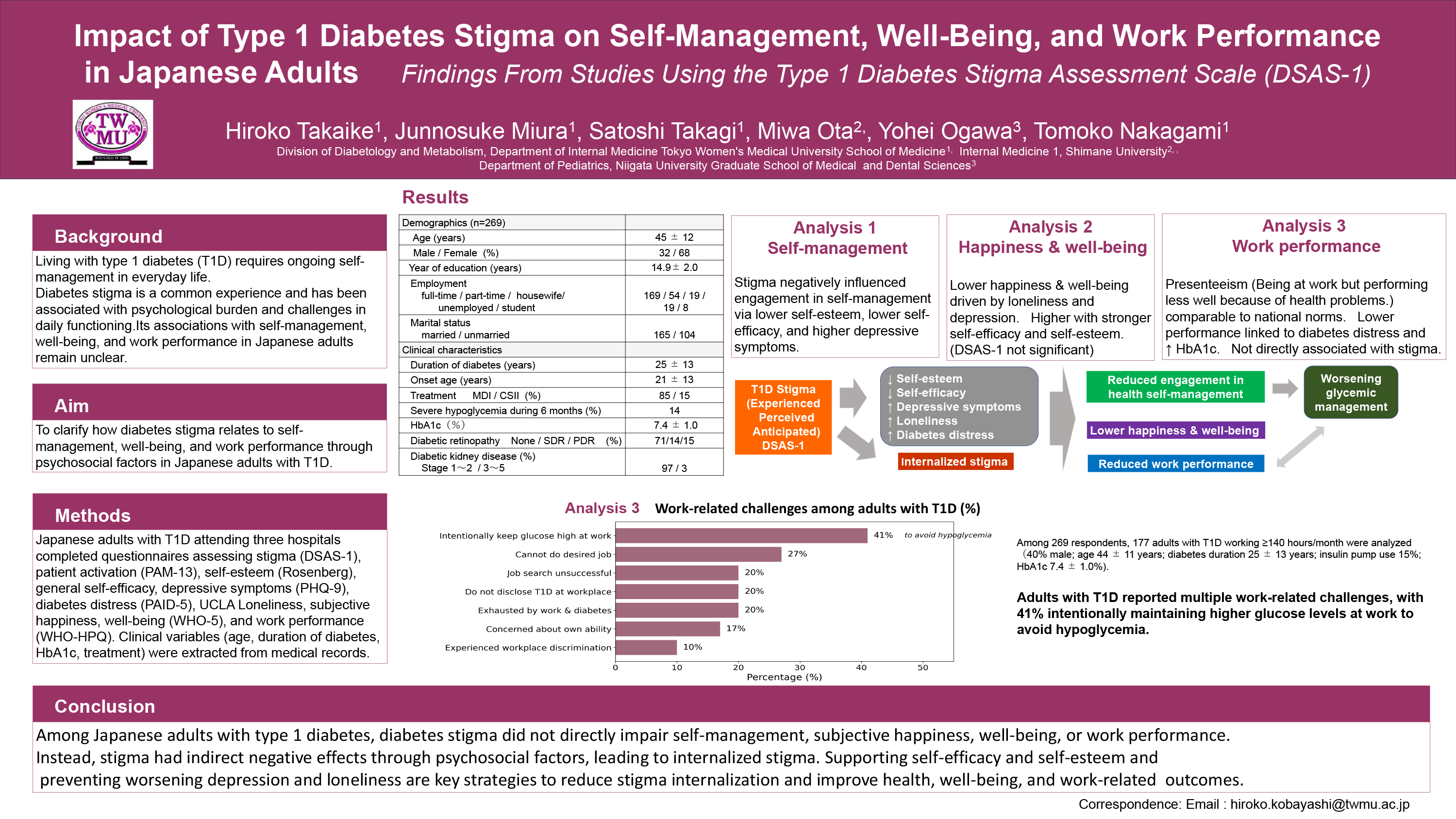
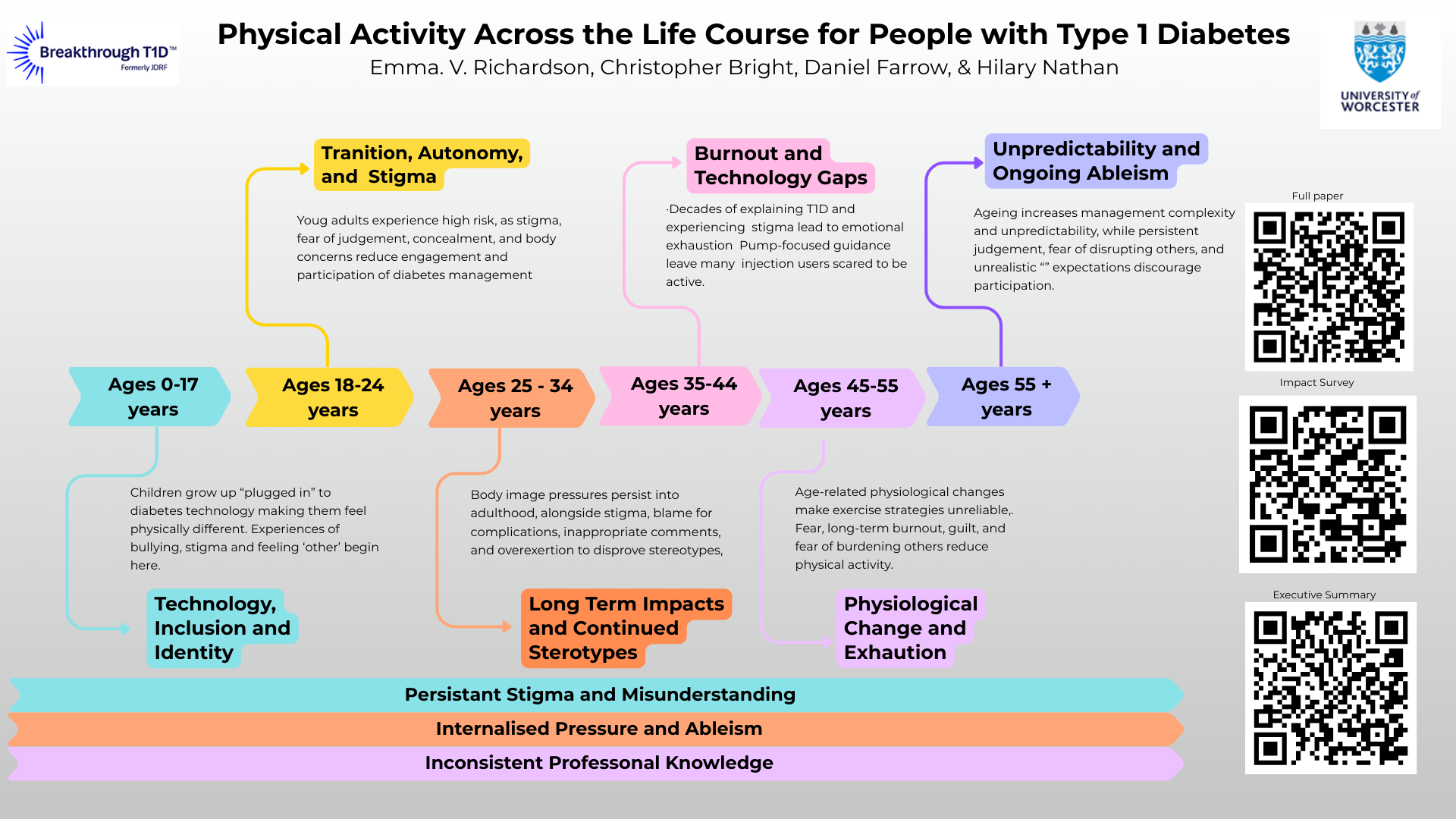
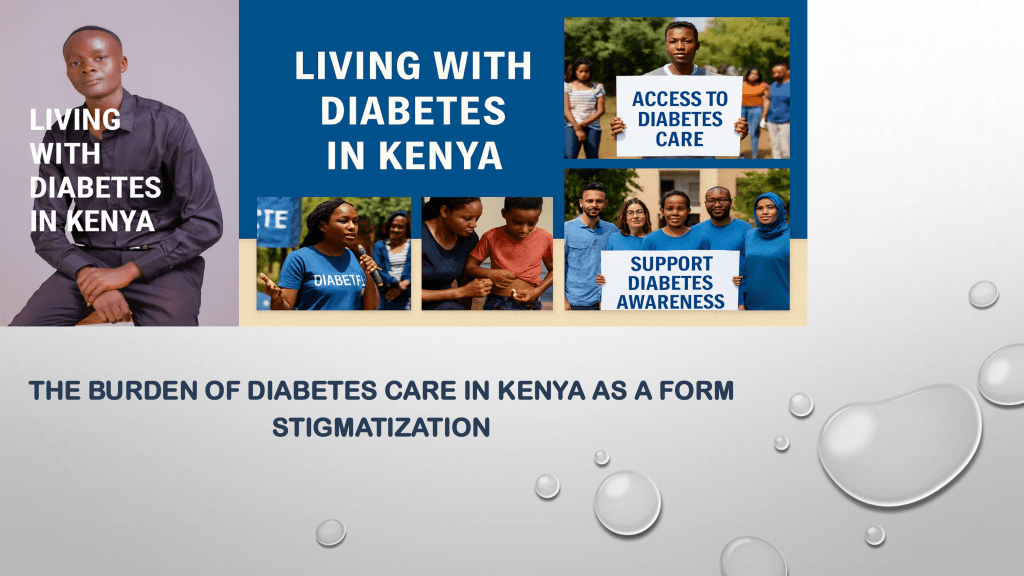
M’impegno / ci impegniamo a contribuire attivamente a mettere fine allo stigma legato al diabete:
Dimostrando rispetto per chi vive con il diabete, qualsiasi sia il tipo.
Riconoscendo l’esistenza e l’impatto nocivo dello stigma legato al diabete.
Riconoscendo e mettendo in dubbio i miei / i nostri pregiudizi nei confronti di chi vive con il diabete.
Adottando un linguaggio preciso, rispettoso, inclusivo, privo di giudizi e basato sul potenziale in tutte le comunicazioni verbali, scritte o illustrate relative a chi vive con il diabete.
Evitando e contestando l’uso di messaggi ed immagini che possono suscitare disagio.
Condannando la discriminazione legata al diabete e promuovendo l’uguaglianza nel trattamento ed il sostegno offerto a chi vive con il diabete.
Incoraggiando lo sviluppo di iniziative, azioni politiche e leggi che promuovono l’equità per tutti coloro che vivono con il diabete.
Con tale promessa m’impegno / ci impegniamo fin da ora a creare per chi vive con il diabete un mondo più comprensivo e rispettoso, privo di stigma, di discriminazione e della sofferenza che causano.
In this video, I use layers of clothing to represent the different layers of stigma associated with diabetes, to show how stigma can affect the people who experience it. It also highlights the positive impact of respectful language and how it can lead to better outcomes.
From Shame to Voice: Becoming My Own Hero
Sabrina Sosa Santa Ana, International Diabetes Federation
Creative medium
I am using a personal narrative essay to share a lived experience with diabetes, focusing on emotional insight and storytelling to convey its impact.
Meaningful involvement
The work is entirely grounded in my own lived experience with Type 1 Diabetes, reflecting authentic emotions, challenges, and perspectives.
Abstract
Diagnosed with Type 1 Diabetes at eight years old, I grew up in a childhood filled with love, friendship, and joy—far from the narrative of illness overshadowing youth. It was not until adolescence that the emotional weight of diabetes emerged. As my environment changed, I confronted social stigma, hurtful comments, and misconceptions. In retrospect, however, no judgment was harsher than the one I placed on myself.
During childhood, in-range glucose values earned me smiles and praise from my physician. As a teenager, the tone shifted. A single comment—likely forgotten by the doctor but deeply etched into my memory—became a turning point. His words, “Why should I tell you what to do if you’re going to do whatever you want anyway?” left me feeling voiceless, ashamed, and unworthy. I stopped attending medical appointments for nearly five years. That moment broke me, compounding the internal struggle and depression I had been trying to manage alone.
Through years of therapy, the support of loved ones, and empowerment from diabetes education, I rebuilt myself. I discovered my vocation and became my own hero. Today, I share my story to advocate for the mental health of people living with diabetes, to remind them that their worth is not defined by glucose numbers, and to fight the social stigma that delays acceptance and harms well-being. I encourage individuals to find strength within themselves and to use their voices—because words can wound, but they can also heal, educate, and transform.
One Hundred Years On: The Burden of Diabetes Stigma Among First Nations Peoples
Chris Lee, Mindirrima Cultural Solutions
The first documented case of diabetes in a First Nations person in Australia was recorded in 1924. Just over one hundred years later, First Nations Australians are experiencing some of the highest diabetes burdens recorded anywhere in the world. Our communities now lead the world in gestational diabetes, diabetes in pregnancy, and youth-onset type 2 diabetes— conditions that are emerging earlier in life and progressing more rapidly than in the wider population. Adult type 2 diabetes prevalence in some remote regions has been described as “among the highest reported of any population globally,” with rates approaching or exceeding one in three adults. Diabetes-related kidney failure, lower-limb amputations, and mortality rates also remain unacceptably high, with renal disease representing one of the most severe complications and amputation rates documented up to 38 times higher in certain settings. Diabetes mortality sits nearly five times higher than for non-Indigenous Australians, contributing significantly to the life expectancy gap.
Beyond its physical impacts, diabetes carries a profound social and emotional burden. Diabetes-related stigma—expressed through blame, shame, judgment, and harmful stereotypes—deeply affects how many First Nations people navigate their diagnosis, treatment, and identity. This stigma is reinforced across health systems, media representations, workplaces, and family environments. It leads to disengagement from care, reluctance to disclose diagnosis, psychological distress, diminished trust in mainstream services, and reduced capacity for self-management. These factors compound the already disproportionate rates of complications.
Ending the stigma around diabetes is essential to improving health equity. Effective responses must acknowledge the cultural, social, historical, and structural determinants shaping First Nations’ health. A shift toward culturally safe, strengths-based communication and community-led diabetes care is vital. Creating environments free from shame—where people feel respected, empowered, and culturally supported—is critical to improving outcomes and ensuring our people can live well with diabetes.
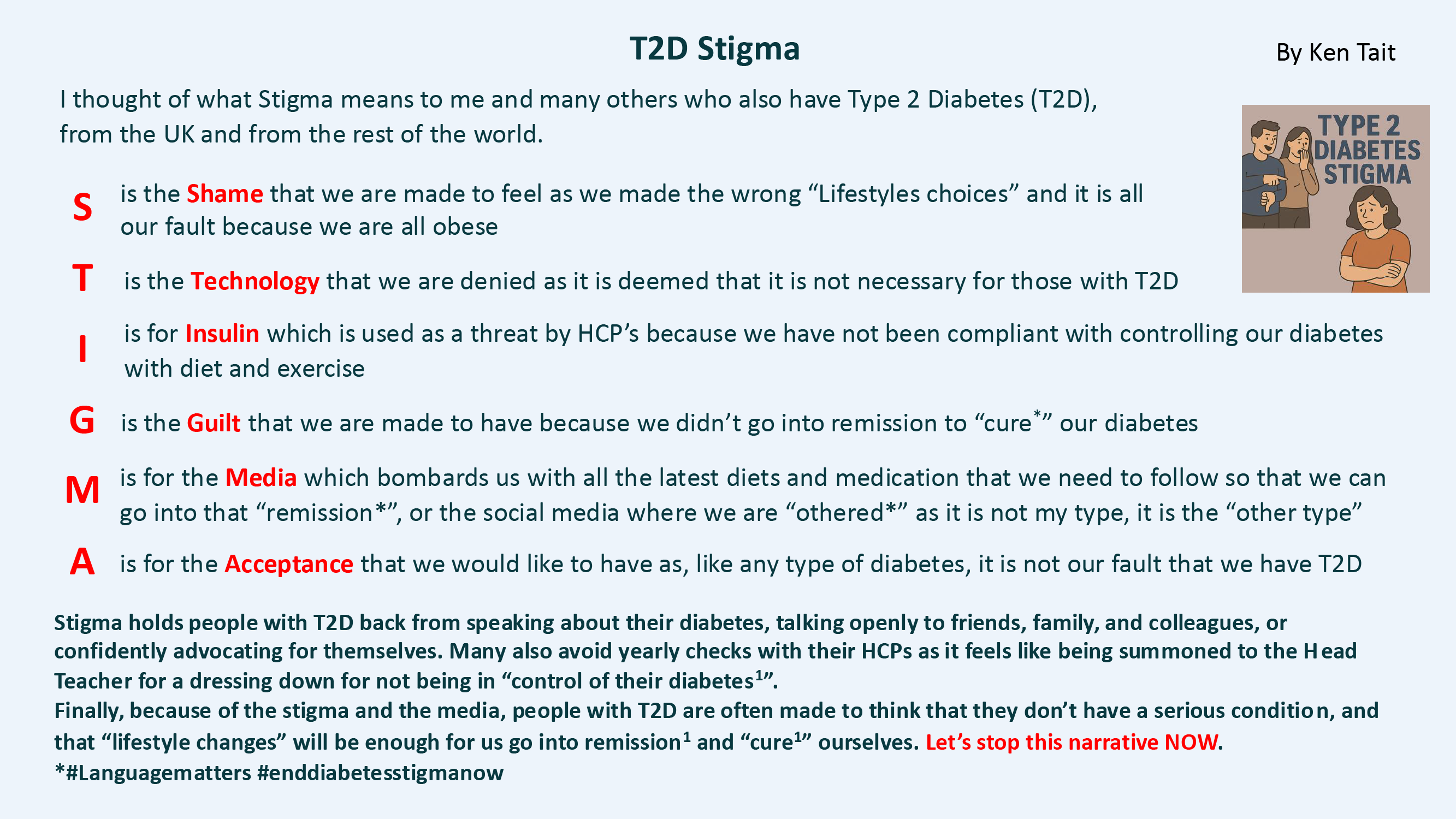
T2D Stigma
Kenneth Tait
Thinking about what stigma means to people living with type 2 diabetes and using the anagram STIGMA as a method of conveying this.
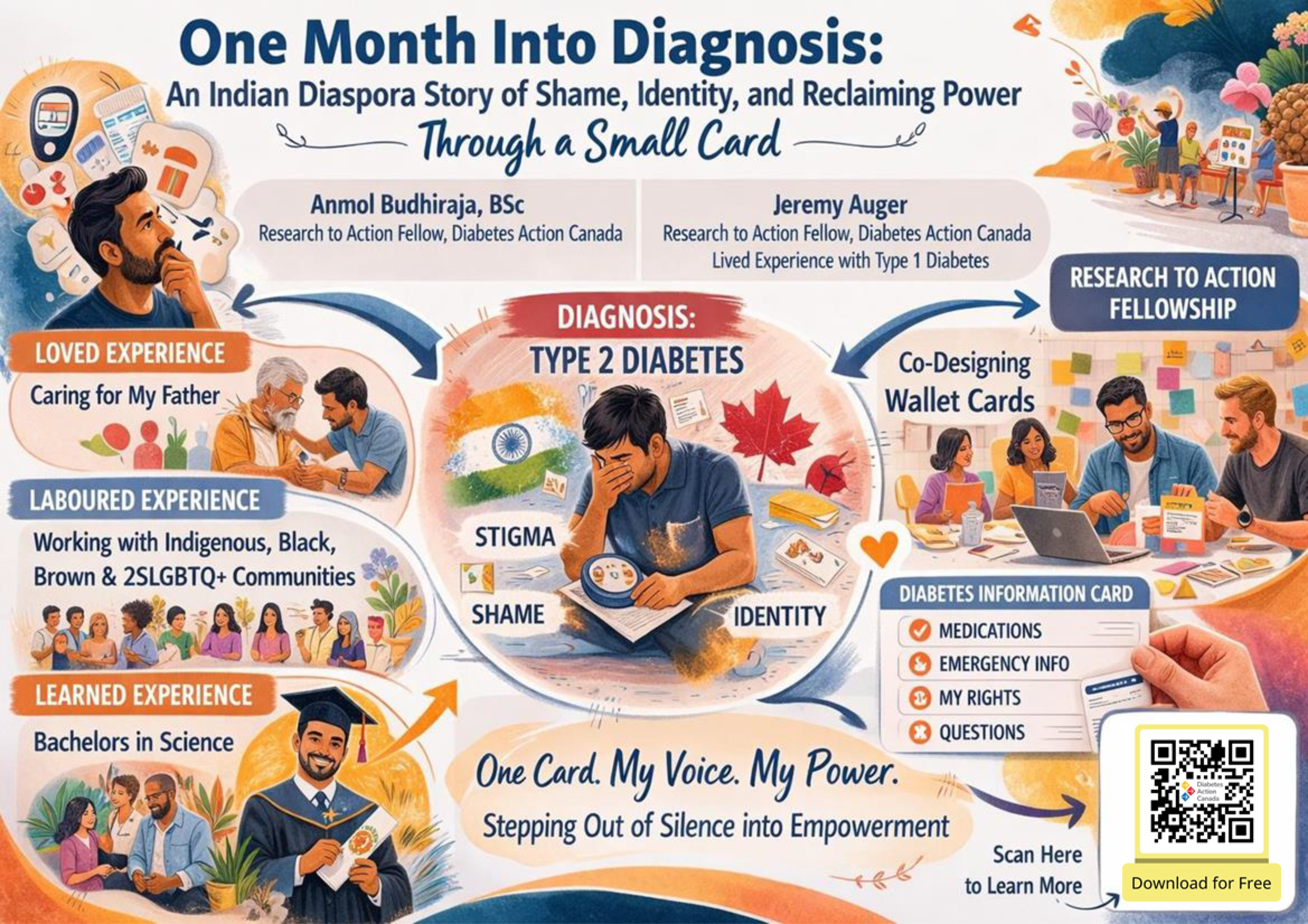
One Month Into Diagnosis: An Indian Diaspora Story of Shame, Identity, and Reclaiming Power Through a Small Card
Anmol Budhiraja, Diabetes Action Canada (DAC)
We began creating our wallet-sized diabetes information card before I knew I would ever be diagnosed. I brought loved experience supporting family and friends, learned experience from my studies, and laboured experience from my work with people navigating chronic conditions. I cared deeply, but I was still slightly outside the circle.
One month ago, everything changed. My own diagnosis of type 2 diabetes carried more than medical meaning. As an Indian person who has lived in Canada for quite a long time, I feared telling my family back home. Past comments about my weight resurfaced, reminding me I should have taken better care, and the quiet shame that lingers in many Indian households made conversations feel impossible. Stigma made me afraid not of the condition, but of the dialogue it would force.
In Canada, I faced another layer of stigma shaped by racialized assumptions about my body and health. I found myself between two worlds, each marked by its own silence. Yet diabetes was not new to me: my family and loved ones live with it, and my work surrounds me with others navigating chronic conditions. Now, with my diagnosis, I carry lived experience alongside loved, learned, and laboured experience. The project became personal.
Together with my fellowship partner, Jeremy Auger, we designed a card small enough to hold secretly when shame feels heavy, but strong enough to empower someone during an appointment. The back lists your rights, giving voice to those unsure how to talk to their doctor.
This submission uses Indigenous art, reflective writing, and co-design input from people with lived and loved experience of diabetes stigma, particularly weight-based shame. Their voices guided every detail, ensuring the card informs and protects. This story is about one month, one diagnosis, and one card that helped me step out of silence. One day, I hope to bring this work back to India so others can feel the same courage.
You are Unfit For This Vocation: Diabetes Stole A Vocation , But Gave Me A New Mission
Mark Odachi, University of Nigeria Nsukka
Have you ever heard a sentence passed long before you are even found guilty? This is my story with type 1 diabetes. I was diagnosed at 14, a year after my class teacher had warned that “if you have diabetes, you are finished.” Those words rang even louder when the doctor told my mom I was too young to have diabetes. The condition shaped my identity before I understood it. I was constantly pitied by family, friends, and others with goodwill, and this filled me with insecurities that affected how my family and I managed my diabetes because we all misunderstood it.
Four years later, I was withdrawn from the seminary because my superiors considered me too fragile. I was told, because of my diabetes, “You are not fit for this vocation.” It crushed me and the dream of becoming a Catholic priest, something I had wanted since childhood. I became a master at hiding my diabetes. I avoided talking about it, took my insulin in the toilet, and feared making excuses in class when I felt unwell or needed to use the bathroom.
But as my vocation to the priesthood closed, it became a turning point for me to learn more about diabetes. I soon realized it was not my fault. After sharing my story on a Facebook group, I met people with diabetes, and a journey I thought was mine alone became easier to navigate.
I later founded a support group called Diabetes Advocacy & Support Community (DASC) to educate, create awareness, and provide peer support for people with type 1 diabetes, ensuring no child or young person feels unworthy, alone, or unfit because of their condition.
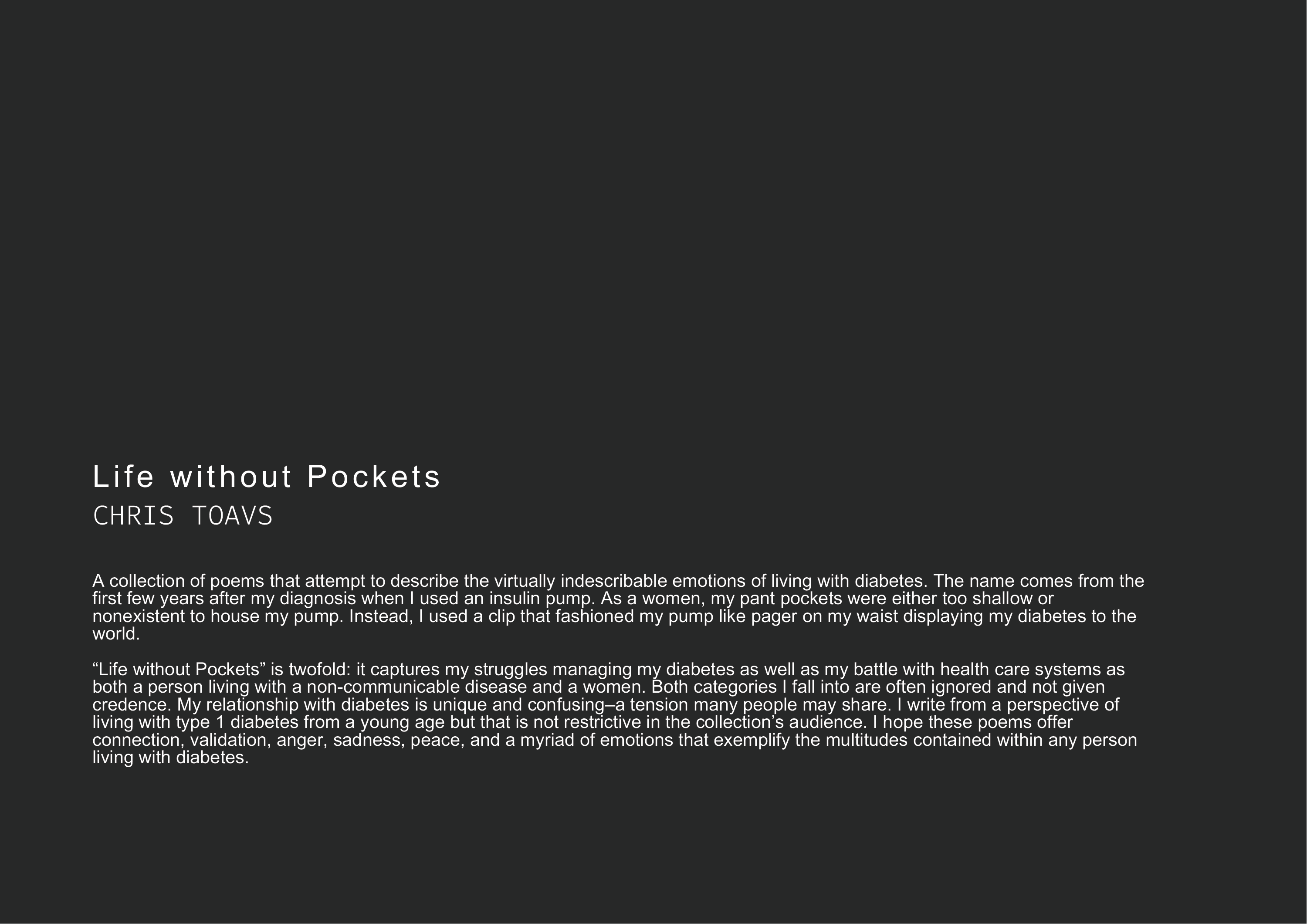
Chris Toavs, University of Cambridge and T1International
After my diagnosis with type 1 diabetes, I threw myself into education and raising awareness in my local community. I was extremely outspoken throughout middle school and high school which earned me the nickname “diabetes girl”. In my pursuit of advocacy for safety and “normalcy”, I was labeled and cast as the punchline to crude diabetes jokes about consuming too much sugar. As one of the only people living with diabetes out of about 400 high school students, I wrestled with isolation and insecurity in ways I never anticipated. These feelings did not disappear after entering adulthood and encountering a plethora of misconceptions and prejudices beyond school buildings.
For the majority of my time living with diabetes, I didn’t know many people who were also living with this condition and battling the judgements of this world. To escape the stigma thrust upon me, I began writing poetry to capture my feelings of living with diabetes and perhaps connect with others like me some day. It has only been in the last year when I began working for a diabetes advocacy organization that I found a community who understands the delicate balance of managing blood glucose levels and navigating a complex cultural bias present both in and out of medical institutions.
The title of this collection of poems bears from my time using an insulin pump. Often my clothes/pants did not have pockets to hold my pump and was thus on display via a clip for the world to see. This reference, though, contains multiple facets drawing on my identity as a woman in a patriarchal world, a person living with diabetes in an ableist world, and a combination of the two as a woman living with diabetes in a biased healthcare system.
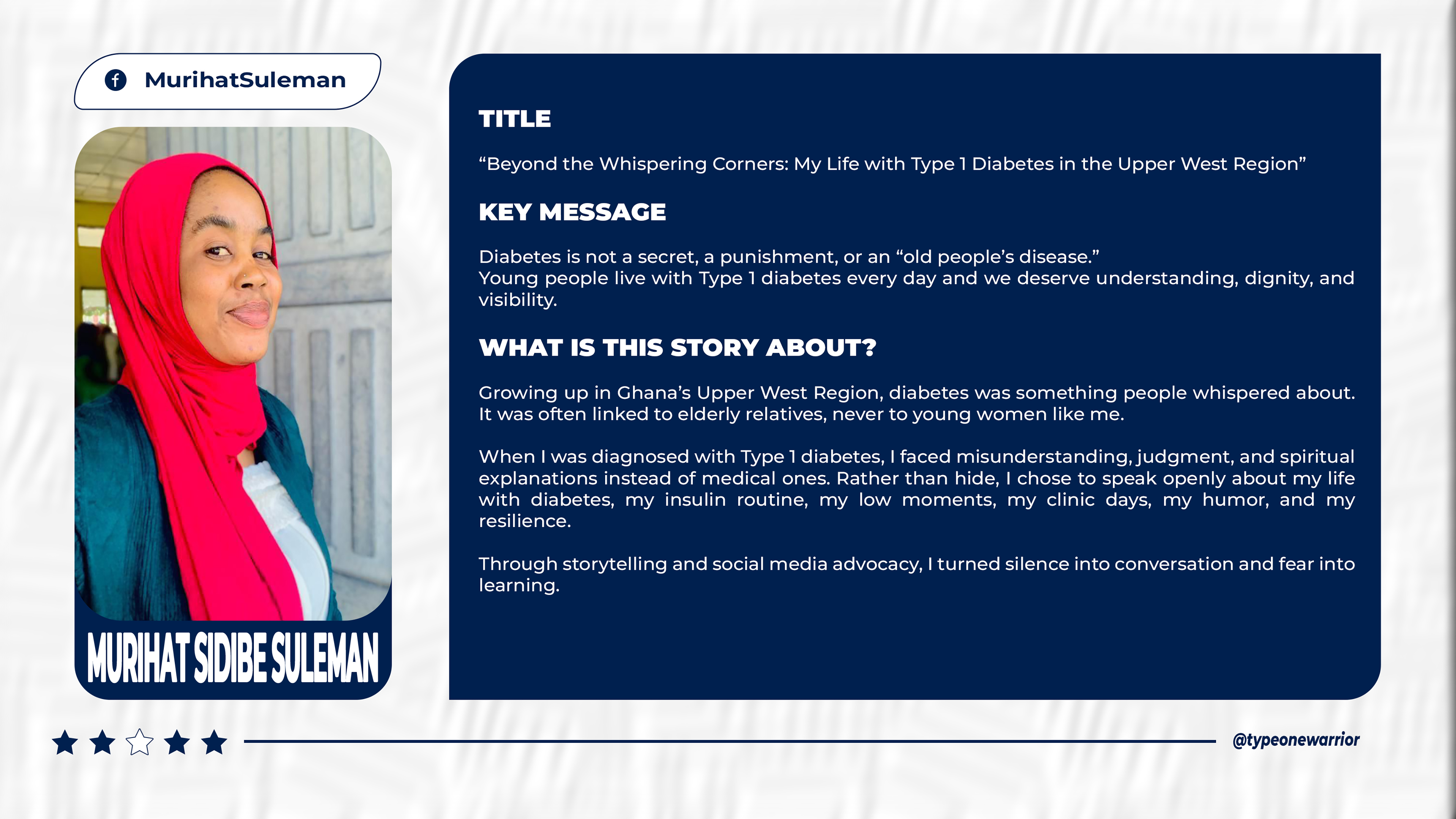
Beyond the Whispering Corners: My Life with Type 1 Diabetes in the Upper West Region
Murihat Suleman, Diabetes Youth Care Ghana
This presentation explores my lived reality as a young woman navigating Type 1 diabetes in the Upper West Region of Ghana, a place where conversations about diabetes often happen in quiet and misinformed corners. For many in my community, diabetes is seen as an illness of the elderly, not something that could affect a young woman. When I was diagnosed, I faced misconceptions, stigma, and spiritual explanations that overshadowed the medical truth. Instead of withdrawing, I chose visibility. I began openly sharing my daily routines my insulin injections, hypoglycemic episodes, clinic days, humorous moments, and the courage it takes to manage a chronic condition. Through social media advocacy, I created a relatable and educational space that challenged myths and invited genuine dialogue. Young diabetics began reaching out privately, grateful to see someone who represented their reality. Parents sought clarity, guidance, and reassurance. My storytelling demonstrated that Type 1 diabetes is not a death sentence and does not diminish a person’s dignity, capability, or dreams. By centering lived experience, this presentation highlights how personal narratives can shift community perceptions, encourage early diagnosis, and inspire empathy. Ultimately, my story is a call to amplify young diabetic voices and build a supportive environment where knowledge replaces stigma and every individual feels seen, understood, and empowered.
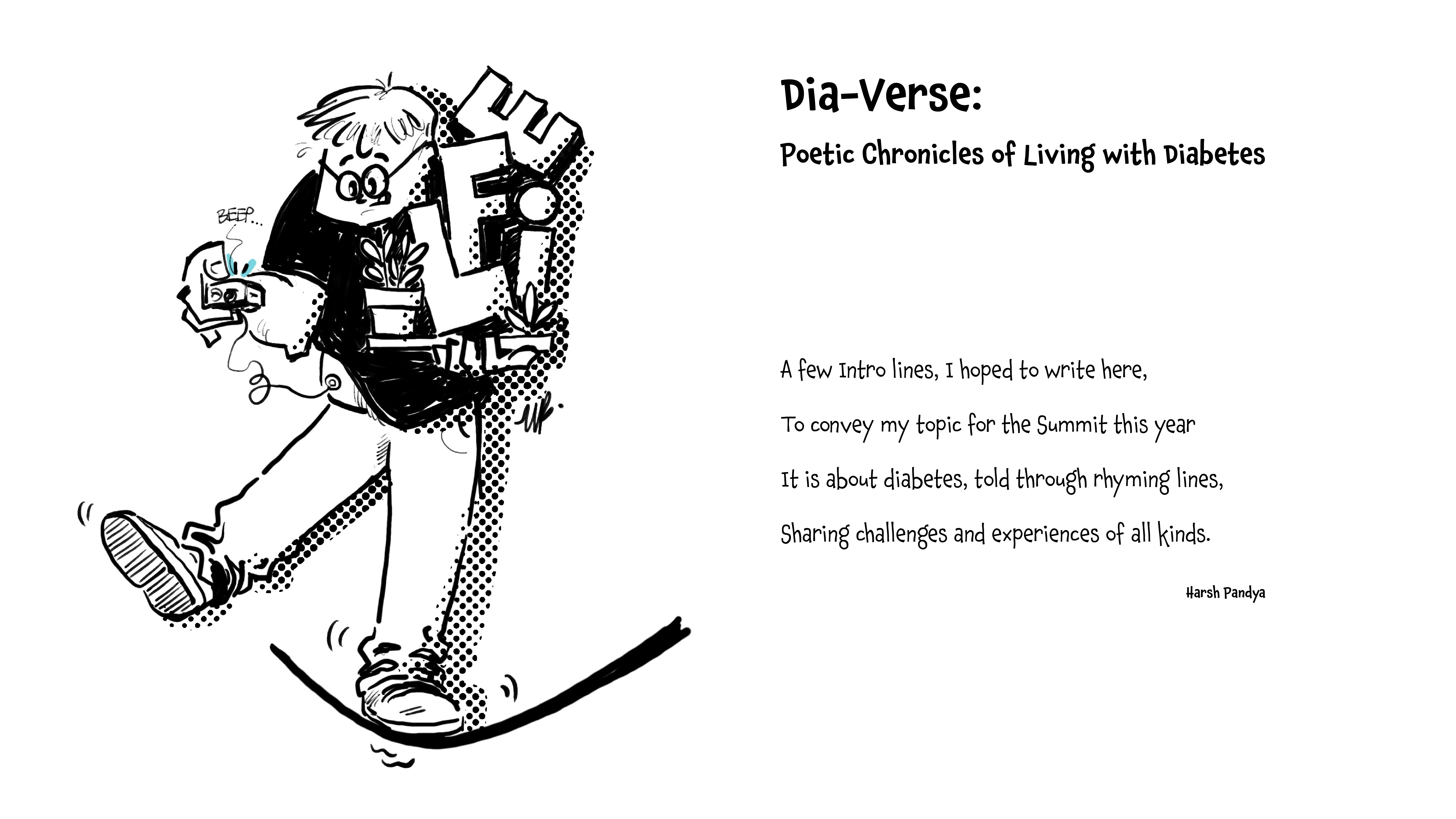
Dia-Verse: Poetic Chronicles of Living with Diabetes
Harsh Pandya, Juvenile Diabetes Foundation
Storytelling has been the cornerstone of human culture. It is the primary vehicle through which we share experiences, transmit knowledge, and create connections. Today, storytelling transcends traditional boundaries, manifesting itself in movies, advertisements, product design, and digital media as a powerful medium to communicate complex messages with emotional resonance and clarity.
When addressing serious health conditions like diabetes, storytelling offers a transformative approach to dismantling stigma and misconceptions. It helps distill lived experiences into accessible, memorable verses that resonate across diverse audiences, illuminating the nuanced realities of living with chronic conditions.
Dia-Verse is a playful exploration of expressing diabetes experiences through the use of rhymes and poems. As the author and also a person living with Type 1 Diabetes, I bring authentic observations and experiences to these verses, addressing multiple dimensions of the diabetes journey. From navigating festivals and sports to cultivating self-awareness, understanding fundamentals, and adapting to new situations. Each poem serves as a window into the daily realities, triumphs, and challenges that often remain hidden behind clinical terminology and medical statistics.
This collection aims to bridge the gap between clinical understanding and human experience, offering youngsters with diabetes and their parents relatable narratives that validate their experiences while educating broader audiences. The scope of these poems extends beyond the written word, with potential for illustration, animated shorts, and published books that can reach diverse communities through multiple formats.
By harnessing the universal language of poetry, we can transform diabetes management from a solitary clinical obligation into a shared human experience, fostering empathy, reducing stigma, and empowering individuals.
Sweet Verses is a tribute to the Late Dr. Vijay Ajgaonkar, for being the guiding light at Juvenile Diabetes Foundation and beyond, and Late Alex Fernandez, for his love for writing about the achievements within the community.
DIABETES YOUTH CARE, GHANA
Ebenezer Fletcher, Diabetes Youth Care
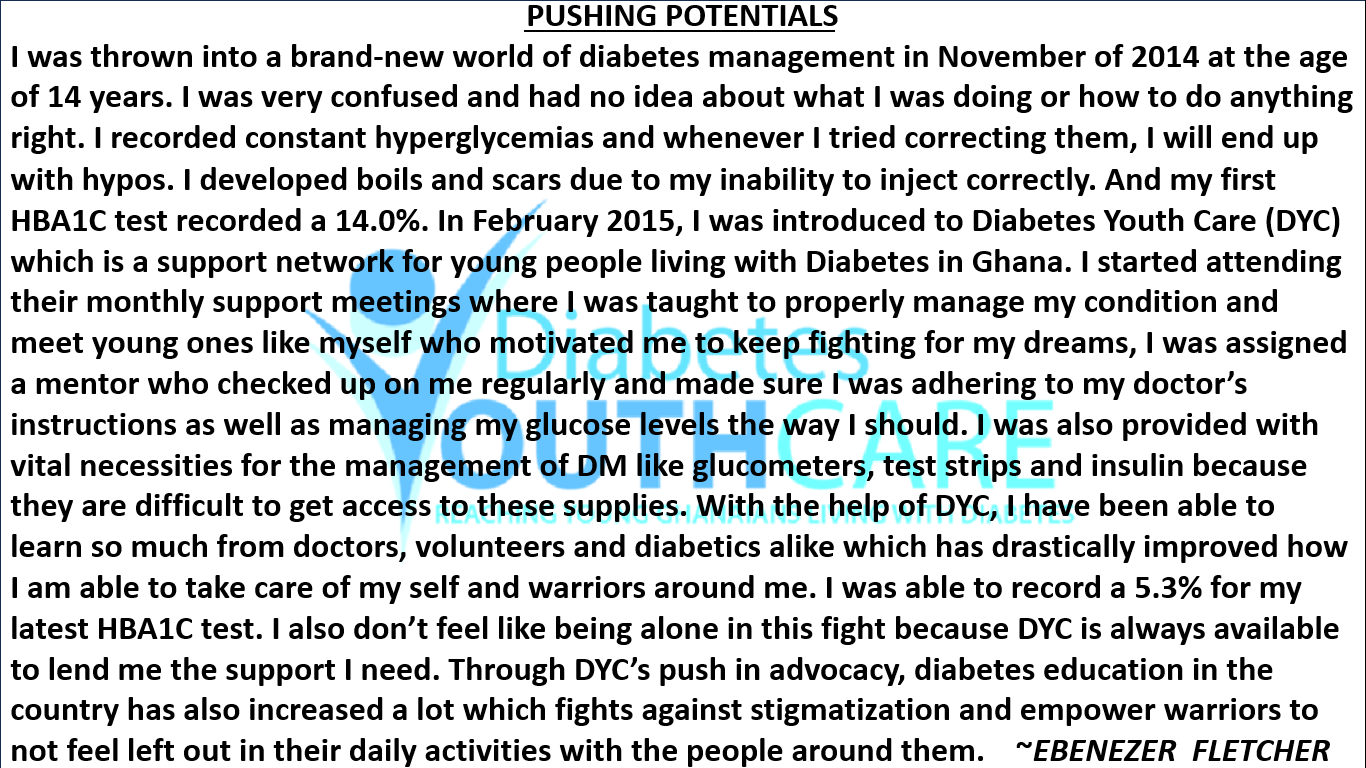
I was thrown into a brand-new world of diabetes management in November of 2014 at the age of 14 years. I was very confused and had no idea about what I was doing or how to do anything right. I recorded constant hyperglycemias and whenever I tried correcting them, I will end up with hypos. I developed boils and scars due to my inability to inject correctly. And my first HBA1C test recorded a 14.0%.
In February 2015, I was introduced to Diabetes Youth Care (DYC) which is a support network for young people living with Diabetes in Ghana. I started attending their monthly support meetings where I was taught to properly manage my condition and meet young ones like myself who motivated me to keep fighting for my dreams, I was assigned a mentor who checked up on me regularly and made sure I was adhering to my doctor’s instructions as well as managing my glucose levels the way I should. I was also provided with vital necessities for the management of DM like glucometers, test strips and insulin because they are difficult to get access to these supplies.
With the help of DYC, I have been able to learn so much from doctors, volunteers and diabetics alike which has drastically improved how I am able to take care of my self and warriors around me. I was able to record a 6.7% for my latest HBA1C test. I also don’t feel like being alone in this fight because DYC is always available to lend me the support I need. Through DYC’s push in advocacy, diabetes education in the country has also increased a lot which fights against stigmatization and empower warriors to not feel left out in their daily activities with the people around them.
Shift of Life: Story of a T1D Kid
Apoorv Jha
As a kid with T1D, I faced a lot of questions from my friends, relatives and closed ones. Some portrayed concern, some portrayed stigmas and misconceptions. Type-1 Diabetes or Diabetes Mellitus is not just an ordinary condition, it’s an auto-immune disease which changes lives for all the ones who are suffering with it. My story with Type-1 Diabetes began on 10th January, 2016. I was, like many, confused and unaware of what happened to me. There were days when I had breakdowns and tough times with my life. I faced bullying because of my condition, got stares for injecting insulin and mocked for carrying my glucometer while getting blamed for having a lot of sugars which led me to this. All of this because of lack of awareness.
I never wanted this condition to define me what I am not, I wanted it to show the world that what I can be. My goal in life is to create an impact in this world for which I am remembered. Type-1 Diabetes brought me a step closer to it. In 2020, I started Diabetes Advocacy by creating reels on Instagram about Type-1 Diabetes. I joined multiple organizations and initiatives and worked with fellow advocates to create awareness about this condition. I also helped newly diagnosed T1D Kids and teens to learn about Type-1 Diabetes. My work also got me a chance to be a #dedoc° voice representing India at ATTD 2024 as a Global Voice and a Tedx Speaker at Tedx Thaltej Youth 2025. For the first time in my life, I embraced my condition and moved with instead of going against it. Acceptance became my weapon which helped me impact not only my life, but life of others with me as a medium. Diabetes Advocacy starts with creating awareness about Diabetes and acceptance of the fact that T1D’s exist and live normally and its not their fault that they have it. It requires community efforts and it needs to be ubiquitous with the help of Social Media Platforms, Print Media and Key Figures speaking on the same.
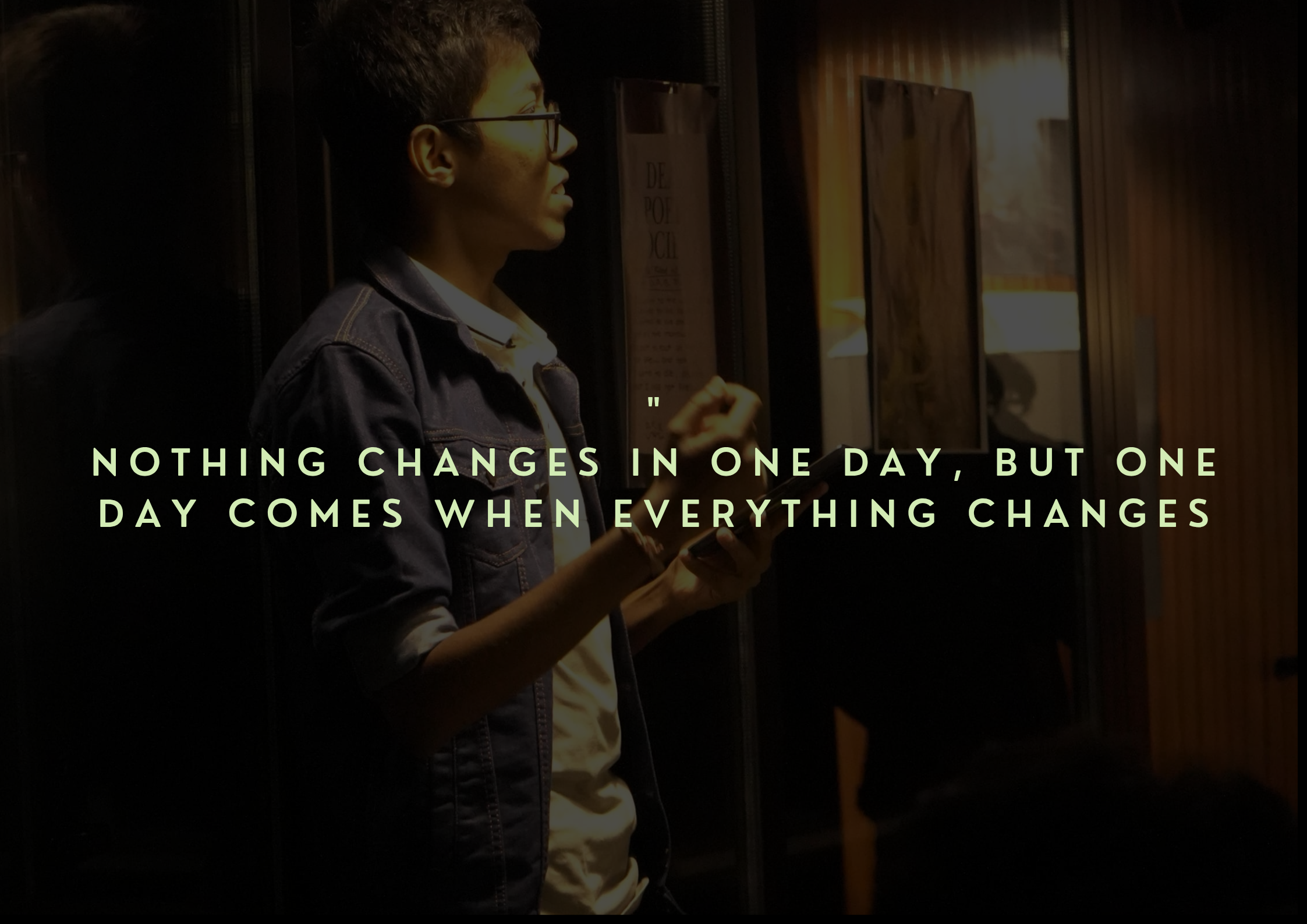
Through my story, I want to show the world that “Nothing Changes in One Day, But One Day Comes when Everything Changes” and want to empower others to embrace their condition and let their condition define who they can be instead of who they can’t be.
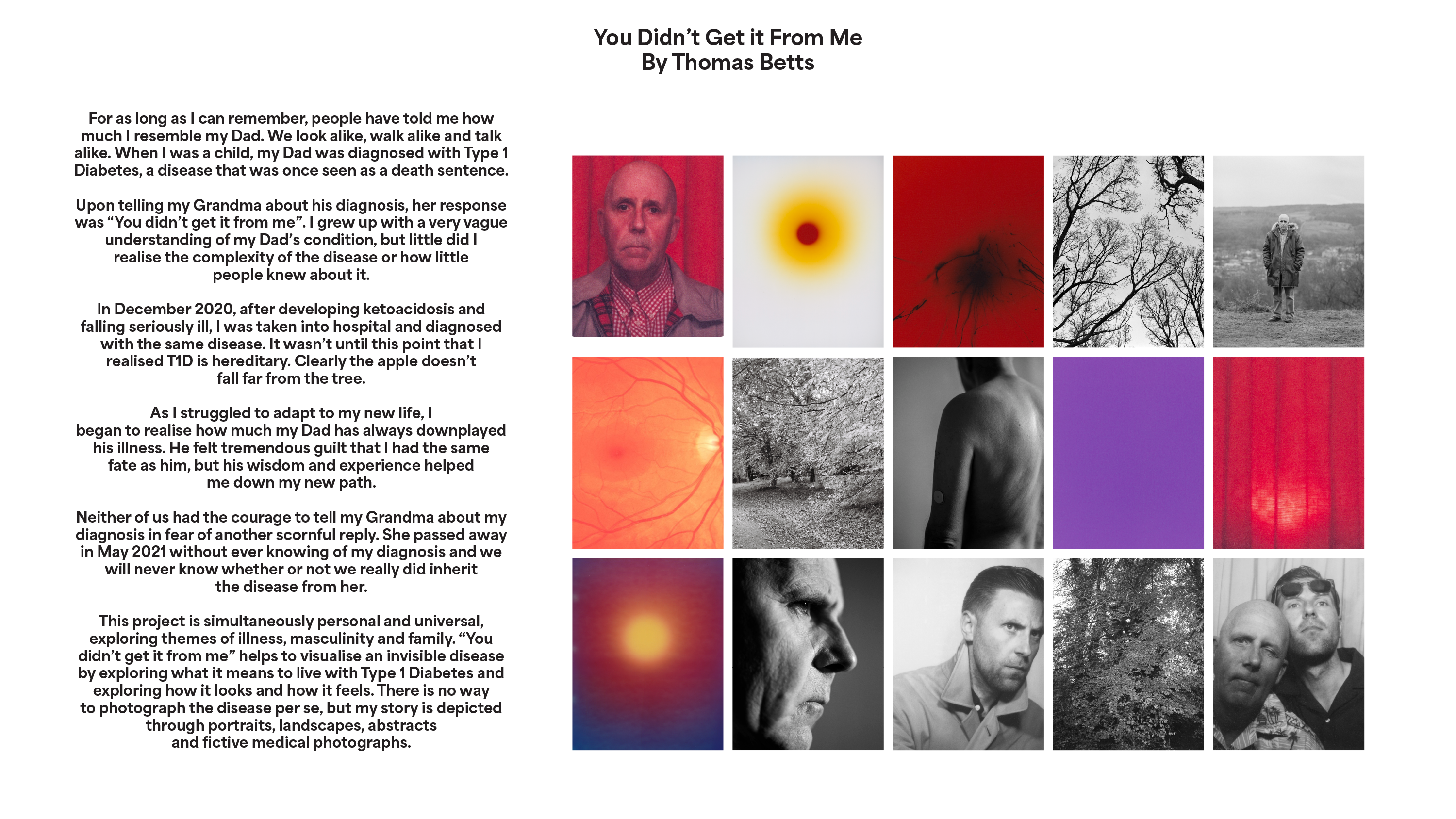
For as long as I can remember, people have told me how much I resemble my Dad. We look alike, walk alike and talk alike. When I was a child, my Dad was diagnosed with Type 1 Diabetes, a disease that was once seen as a death sentence. Upon telling my Grandma about his diagnosis, her response was “You didn’t get it from me”. I grew up with a very vague understanding of my Dad’s condition, but little did I realise the complexity of the disease or how little people knew about it.
In December 2020, after developing symptoms and falling seriously ill, I was taken into hospital and diagnosed with the same disease. It wasn’t until this point that I realised T1D is hereditary. Clearly the apple doesn’t fall far from the tree. As I struggled to adapt to my new life, I began to realise how much my Dad has always downplayed his illness. He felt tremendous guilt that I had the same fate as him, but his wisdom and experience helped me down my new path.
Neither of us had the courage to tell my Grandma about my diagnosis in fear of another scornful reply. She passed away in May 2021 without ever knowing of my diagnosis and we will never know whether or not we really did inherit the disease from her.
This project is simultaneously personal and universal, exploring themes of illness, masculinity and family. “You didn’t get it from me” helps to visualise an invisible disease by exploring what it means to live with Type 1 Diabetes and exploring how it looks and how it feels. There is no way to photograph the disease per se, but my story is depicted through portraits, landscapes, abstracts and fictive medical photographs
VoiceOfT1D: Confronting Fear, Stigma, and Systemic Barriers Through Advocacy for Awareness, Ethical Innovation, and Compassionate Justice in Type 1 Diabetes
Suman Bhagavathula, Voice Of T1D
When my child was diagnosed with Type 1 Diabetes (T1D), our family’s daily life quickly became centered on frequent finger pricks, insulin dosing, and continuous glucose monitoring – often requiring repeated interventions within a single hour during hypoglycemic episodes. Families across India and around the world live similar realities. Alongside these medical demands, many families face persistent diabetes-related stigma rooted in misinformation and harmful language.
We have personally encountered stigma in the form of statements suggesting that eating sweets causes diabetes, as well as ridicule implying that a child living with T1D is “suffering” and therefore limited in future aspirations – such as being told that pursuing a career in endocrinology would be unrealistic. These misconceptions are medically incorrect, profoundly harmful, and can undermine openness, self-confidence, and ambition in children and families living with T1D.
Rather than retreat in the face of stigma, my family and I chose to share our story openly. Motivated by lived experience, I aspired and personally invested in a project to advance a non-invasive glucose monitoring technology aimed at reducing pain, cost, and fear associated with frequent glucose checks. While the initiative highlighted the promise of patient-driven innovation, it hit disturbing roadblocks in the form of misrepresentations, and I faced challenges related to transparency, ethics, accountability and severe intimidation, illustrating how vulnerable families can be when navigating complex innovation ecosystems. I have refused to give up and continue pursuing my original ambition, which is even more important now when there is a need for a safe and reliable way to cross check Continuous Glucose Monitor data.
I call for compassionate justice, so that families and patient advocates can focus on advancing much-needed diabetes technologies rather than expending energy navigating systemic barriers or misinformation. By fostering ethical collaboration, transparency, and accountability, we can ensure patient-centered solutions reach those who need them most while simultaneously reducing stigma and empowering the T1D community.
In response to these challenges, together with my child, family, and community allies, I founded VoiceOfT1D, an initiative dedicated to confronting diabetes stigma, promoting accurate understanding of T1D, advocating for equitable access to technology, and supporting families across India, United States and the world.
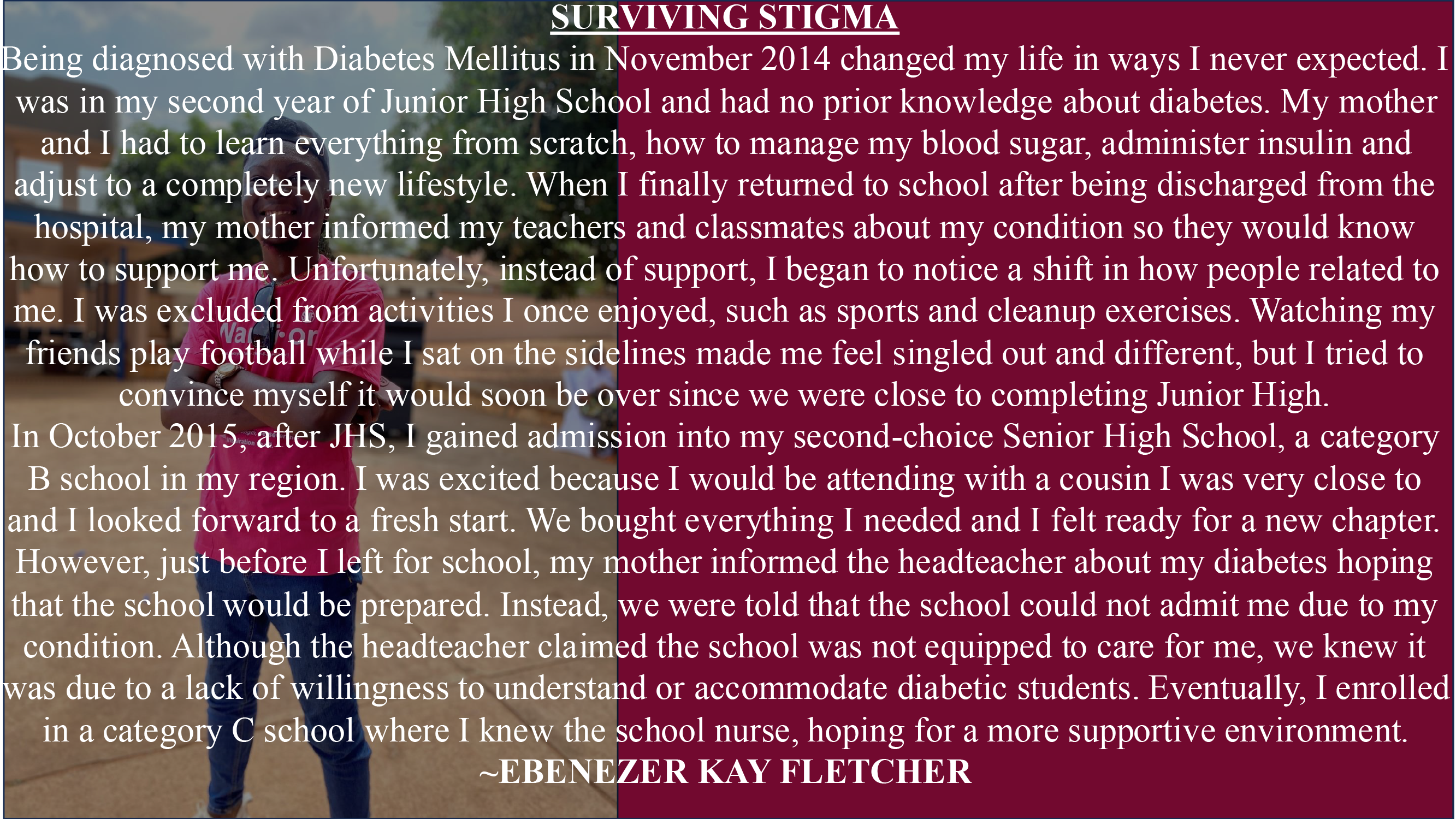
SURVIVING STIGMA: MY EARLY YEARS WITH DIABETES
Ebenezer Fletcher, Diabetes Youth Care
Being diagnosed with Diabetes Mellitus in November 2014 changed my life in ways I never expected. I was in my second year of Junior High School and had no prior knowledge about diabetes. My mother and I had to learn everything from scratch, how to manage my blood sugar, administer insulin and adjust to a completely new lifestyle. When I finally returned to school after being discharged from the hospital, my mother informed my teachers and classmates about my condition so they would know how to support me. Unfortunately, instead of support, I began to notice a shift in how people related to me. I was excluded from activities I once enjoyed, such as sports and cleanup exercises. Watching my friends play football while I sat on the sidelines made me feel singled out and different, but I tried to convince myself it would soon be over since we were close to completing Junior High.
In October 2015, after JHS, I gained admission into my second-choice Senior High School, a category B school in my region. I was excited because I would be attending with a cousin I was very close to and I looked forward to a fresh start. We bought everything I needed and I felt ready for a new chapter. However, just before I left for school, my mother informed the headteacher about my diabetes hoping that the school would be prepared. Instead, we were told that the school could not admit me due to my condition. Although the headteacher claimed the school was not equipped to care for me, we knew it was due to a lack of willingness to understand or accommodate diabetic students. Eventually, I enrolled in a category C school where I knew the school nurse, hoping for a more supportive environment.
It focuses on stigma and discrimination I faced, the challenges and stereotypes I believed when newly diagnosed due to ignorance and the subsequent impact. However, despite the hurdles the message alludes to the fight I undertook to expose the stigma and one I will continually fight.
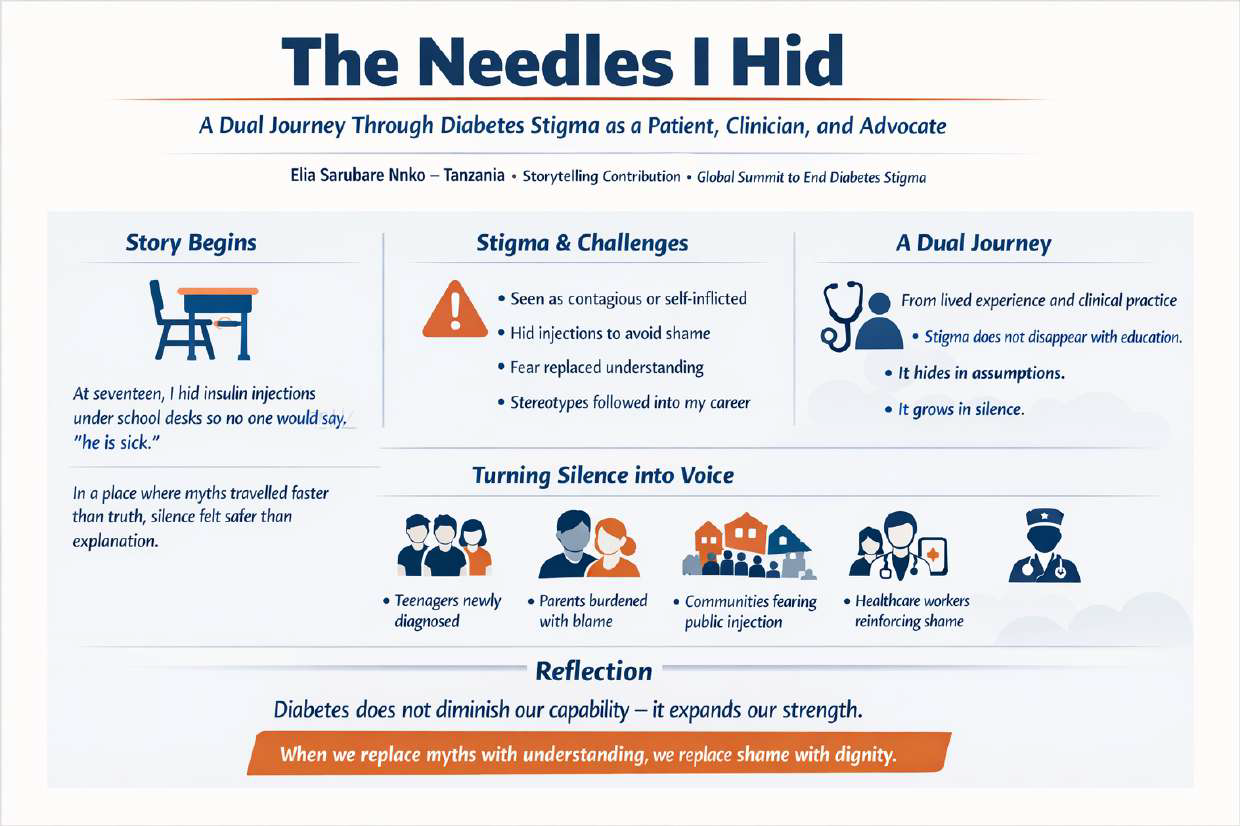
“The Needles I Hid: A Dual Journey Through Diabetes Stigma as a Patient, a Clinician, and an Advocate”
Elia Nnko, Independent Healthcare Professional & Diabetes Adv
At seventeen, I learned to hide my insulin needles under school desks so no one would say, “he is sick.”
I injected quietly behind classroom doors, carrying my diabetes like a secret I protected more than my own notebooks. People believed I brought this condition upon myself. Others thought it was contagious. Some simply stared. In a place where myths travelled faster than truth, silence felt safer than explanation.
Years later, I became a clinician — and the stigma followed me into the consultation room. Patients would look at the vial in my bag and ask, “How can a healthcare worker be injecting every day?”
Some colleagues whispered doubts about my abilities, as if Type 1 diabetes erased my training, my experience, or my worth. I realised then that stigma does not disappear with education. It hides in assumptions. It grows in silence.
But I also realised something else:
The very thing I spent years hiding could become the voice someone else desperately needed to hear.
So I began speaking.
To frightened teenagers newly diagnosed.
To parents who blamed themselves.
To communities where children still fear injecting in public.
To healthcare workers who unknowingly contribute to shame.
I shared my lived reality: eight years of managing Type 1 diabetes in underserved settings — storing insulin in improvised ways during power cuts, stretching limited supplies, navigating fear, misunderstanding, and the weight of daily survival. I told them that stigma hurts more deeply than the injections ever have.
Today, I speak not to highlight struggle, but to reclaim dignity.
To challenge the quiet harm of stereotypes.
To remind others that diabetes does not diminish our capability — it expands our strength.
Ending stigma begins with stories that refuse to stay hidden.
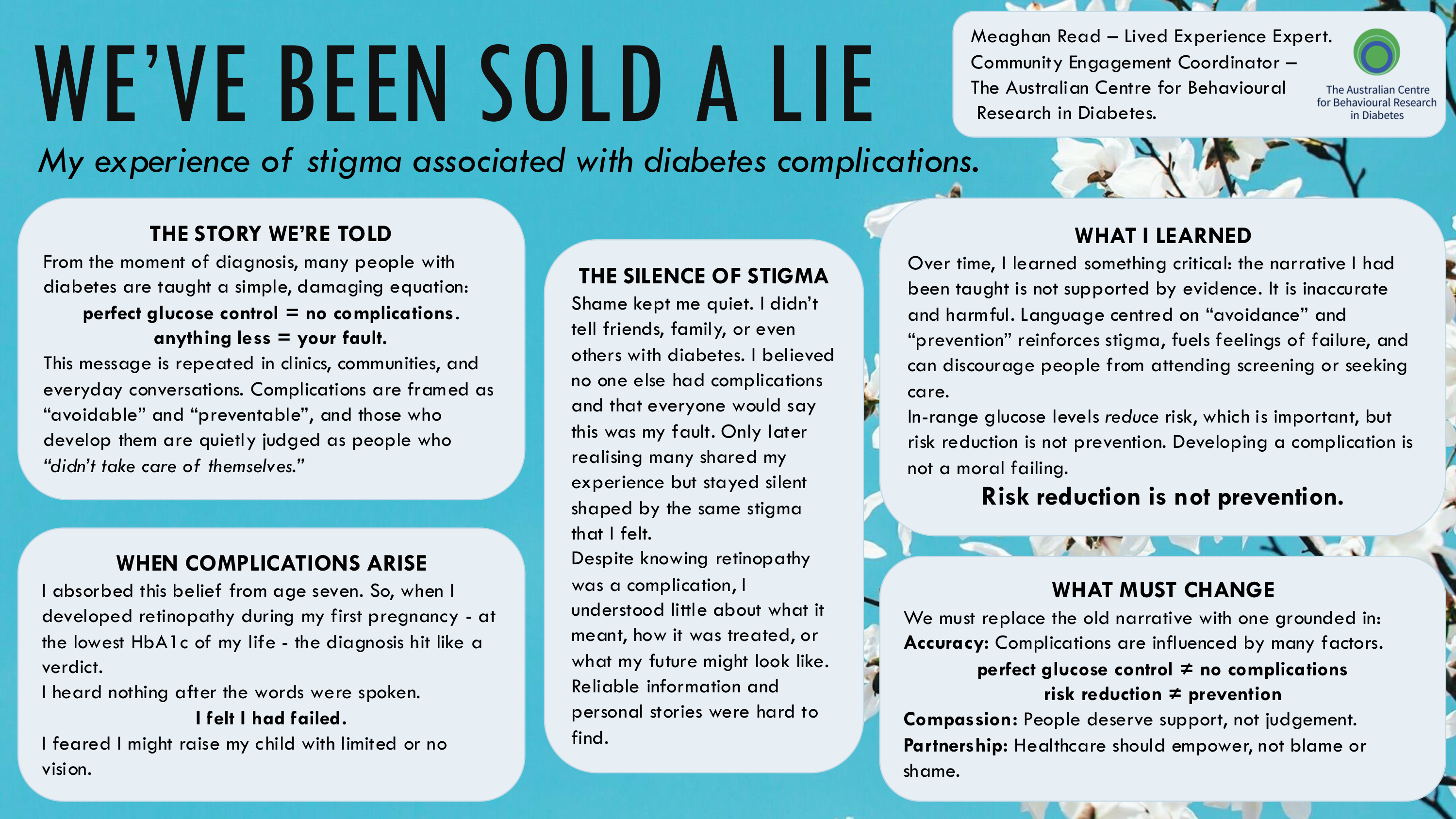
We’ve been sold a lie -my experience of stigma associated with diabetes complications
Meaghan Read, The Australian Centre for Behavioural Research in Diabetes
From the moment of diagnosis, many people with type 1 diabetes—including me—are taught a simple equation: excellent glucose control prevents complications; anything less leads to them. It’s a message repeated in clinics, communities, and everyday conversations. Complications are presented as avoidable through perfect effort, and those who develop them are often judged—quietly placed in the “didn’t take care of themselves” category.
I had internalised this narrative since the age of seven. So when, during my first pregnancy, at the point of achieving the lowest HbA1c of my life, I was diagnosed with retinopathy, the words hit me with devastating force. I heard nothing after the diagnosis. I felt I had failed—and that I might be raising my child with limited or no vision.
The emotional weight was compounded by isolation. I felt I couldn’t tell anyone without judgement, not even those closest to me. I believed no one I knew had experienced diabetes complications. Only later did I realise that others likely had—they just stayed silent, shaped by the same stigma I felt. And despite knowing retinopathy was a complication of diabetes, I understood surprisingly little about what it meant, how it was treated, or what my future might look like. Reliable information and personal accounts were hard to find.
Over time, I learned something critical: the narrative I had been taught is not supported by evidence. It is inaccurate and harmful. Language centred on “avoidance” and “prevention” reinforces stigma, fuels feelings of failure, and can discourage people from attending screening or seeking care.
In-range glucose levels reduce risk, which is important—but risk reduction is not prevention. Developing a complication is not a moral failing.
The narrative must be changed to one grounded in accuracy, compassion, and partnership rather than blame.
Against The Odds, A Life Rewritten By Resilience: A Lived Experience Story Of Type 1 Diabetes, Stigma, and Unwavering Hope In Nigeria
Nkiruka Okoro, NHS Greater Glasgow And Clyde
I was seven years old when my world split into two parts: before diabetes and after diabetes. Primary school should have been about multiplication tables, skipping ropes, and trading meat pies during break. Instead, it became a battlefield where my small body struggled to understand why it needed insulin to stay alive, and why my classmates whispered about me like I was a mystery wrapped in danger.
I still remember the day my teacher called me “the fragile one.” I was sitting at the front of the class, dizzy from a hypo, when she told the others not to “disturb the diabetic girl.” The label stuck. Children avoided playing with me for fear of “catching diabetes.” Some refused to sit beside me. Others stared when I brought out my insulin. At seven, I learned what stigma felt like—sharp, invisible, and capable of following you home. But I also learned something else: I carried a fire diabetes could not extinguish.
As a teenager in Nigeria, stigma grew heavier. People didn’t just misunderstand diabetes; they feared it. I was told, “Men don’t marry girls like you,” “You will be a burden,” “You cannot have children,” and “Who will care for you when you fall sick?” My worth, in their eyes, diminished because I needed insulin. I remember clearly when someone I cared for said his family rejected our relationship because I “might die young.” Not for lack of love or ambition—simply because I injected insulin.
Living with Type 1 diabetes became a barrier not only to health and relationships but to economic independence. Job applications demanding medical disclosure turned into silent rejection.
Somewhere between the whispered insults and the closed doors, I found purpose. Advocacy became my strength. Today, I stand not as the fragile girl, but as a survivor, professional, researcher, and resilient voice for millions.
Work environments for people living with diabetes – Stigma and discrimination at work
Beatriz Yáñez Jiménez, Diabetes Action Canada
Co-authors:
Kyle J Rose
Abstract
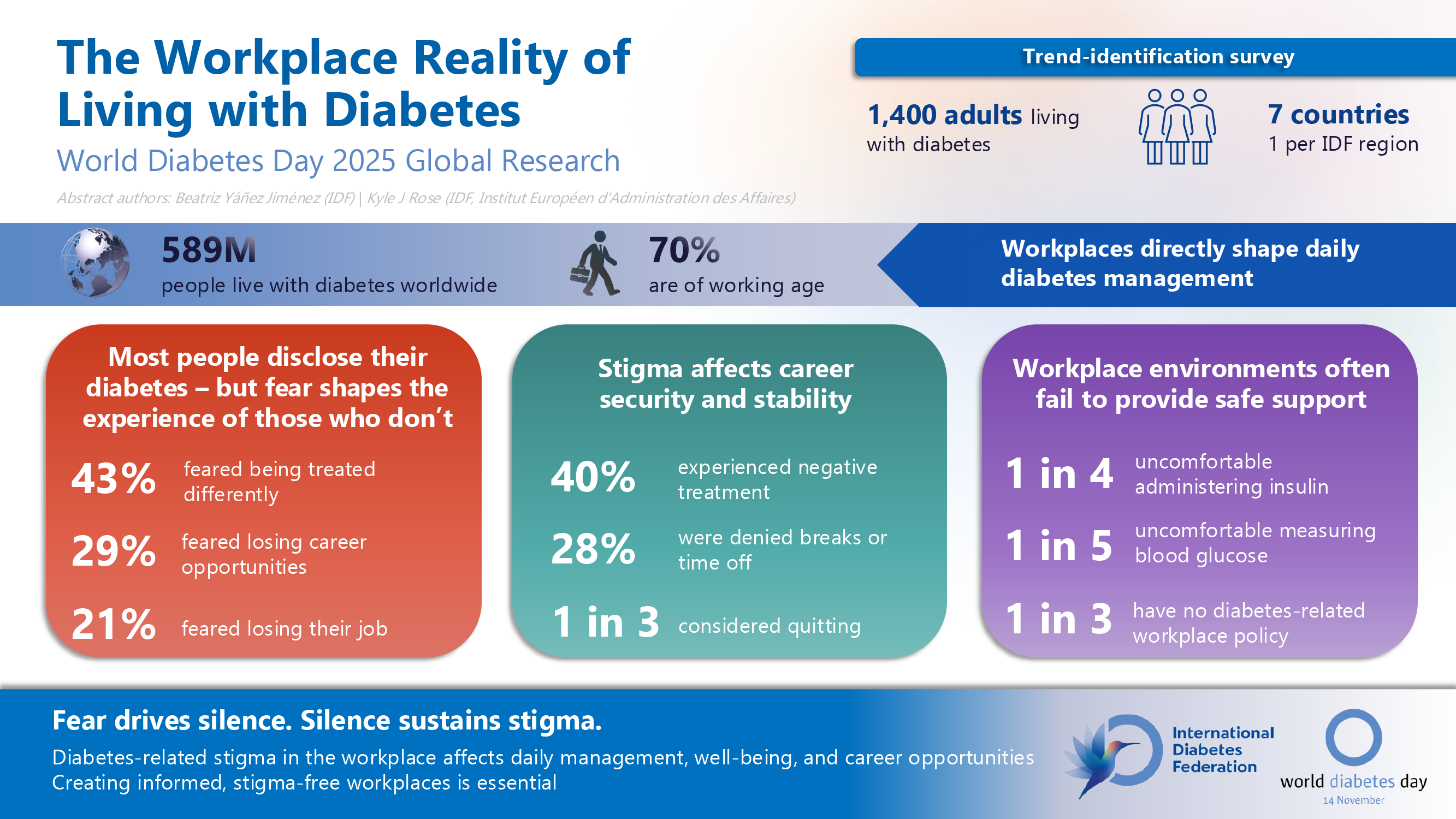
Around 70% of people living with diabetes are of working age. They face obstacles at work ranging from difficult access to medicine or food during the work day to discrimination about diabetes amongst colleagues.
In 2025, as part of ongoing research initiatives, the International Diabetes Federation commissioned Arlington Research, an independent agency, to survey 1,400 adults living with diabetes in seven countries around the world to better understand their experience in the workplace: Argentina, China, Germany, India, Pakistan, South Africa, and the United States of America. The people contacted were not representative of all people living with diabetes, nor for each of these countries; the respondents were contacted with the objective of identifying notable trends and patterns.
Our research indicated that many people living with diabetes do not feel comfortable addressing their own medical needs in their work environment. Many face stigma and discrimination on a daily basis.
Nearly half [46%] of employees diagnosed with type 1 diabetes reported negative treatment in the workplace, compared with just over a third [36%] of workers living with type 2 diabetes. More than a quarter [28%] reported having been denied breaks or time off to attend to their diabetes management. In addition to its emotional and professional impact, the findings show that diabetes-related stigma can also limit career opportunities. Almost a quarter [23%] said they had missed out on career development or training opportunities because of their condition. These barriers are compounded by a culture of silence. One in ten employees living with diabetes has not disclosed their condition to their employer, with 43% of those saying they feared being treated differently. Nearly a third [29%] of these respondents were concerned that disclosure could limit their career progression.
Many employees living with diabetes continue to rely on peer-level support. Close to one in three [29%] have confided in just one trusted colleague, while a slightly higher number [41%] have shared their diagnosis with just a few people at work.
The study also found that daily diabetes management is a source of anxiety for many employees. One in four respondents [26%] were not comfortable administering insulin at work, while one in five [20%] felt the same about checking blood glucose levels.
Conclusion
Our research reveals how deeply fear and stigma shape life at work. The vast majority of employers aren’t doing enough to provide stigma-free work environments for people living with diabetes. This hasn’t improved and the status quo is clearly impacting people’s quality of life, job opportunities, and safety in the workplace.
When asked why those who do not disclose their diabetes , people living with diabetes repeatedly used the word “fear”: fear of being treated differently, fear of being passed over for promotion, fear of harassment, and fear of losing their job.
The numbers above highlight the discomfort in addressing diabetes through formal workplace channels and underline the need for organisations to create more supportive and inclusive environments. Without adequate support, routine medical needs of individuals can become daily challenges in the workplace, imposing unnecessary stress on employees with diabetes.
Reducing Diabetes Stigma Through Integrated Mental Health Education: Impact of the Diabetes + Mental Health Conference
Allison Nimlos, The Diabetes + Mental Health Conference
Background
The Diabetes + Mental Health (D+MH) Conference debuted in 2022 to address gaps in education about the effects of diabetes on mental health. The conference promotes mental health literacy, teaches evidence-based strategies, and provides a safe space to discuss issues often overlooked in traditional healthcare. D+MH educates attendees on how diabetes stigma negatively affects mental health and equips providers and people with diabetes (PWDs) with strategies to address stigma across settings.
Methods
The fully virtual conference includes keynote speakers, educational sessions, and interactive discussions. Dual tracks serve healthcare providers and PWDs, but attendees are encouraged to attend any session. The planning committee and faculty include PWDs, reflecting a “nothing about us without us” approach. Sessions address stigma and provide practical strategies for application across diverse settings. Faculty are encouraged to speak to all types of diabetes to foster inclusivity and connection and reduce stigma within our content delivery.
Alongside individual support, wmore and do more for diabetes at work’ and used creative methods to engage on the messages.
Outcomes (achieved or expected)
Attendees from 25 countries; in 2024, 224 participants (155 providers, 103 PWDs)
Providers reported improved understanding of stigma’s psychological and behavioral effects; 94% would recommend to colleagues
PWDs felt connected, validated, and better equipped to manage diabetes’ emotional toll
Providers applied strategies and best practices in clinical practice, including stigma-aware communication and validation techniques
Future conferences aim to raise provider awareness of stigma and equip PWDs with tools to self-advocate
Lessons Learned
Healthcare providers and PWDs benefit from a collaborative, mental health conference. Providers are eager to understand stigma’s impact and strategies to address mental health. Faculty with lived experience enhance messaging and make content more meaningful for both PWDs and providers.
Lived Experience Involvement
PWDs serve as keynote speakers, session facilitators, panelists, and committee members. Their insights shape session design, guide discussions of stigma, and ensure messaging reflects real-world experiences.
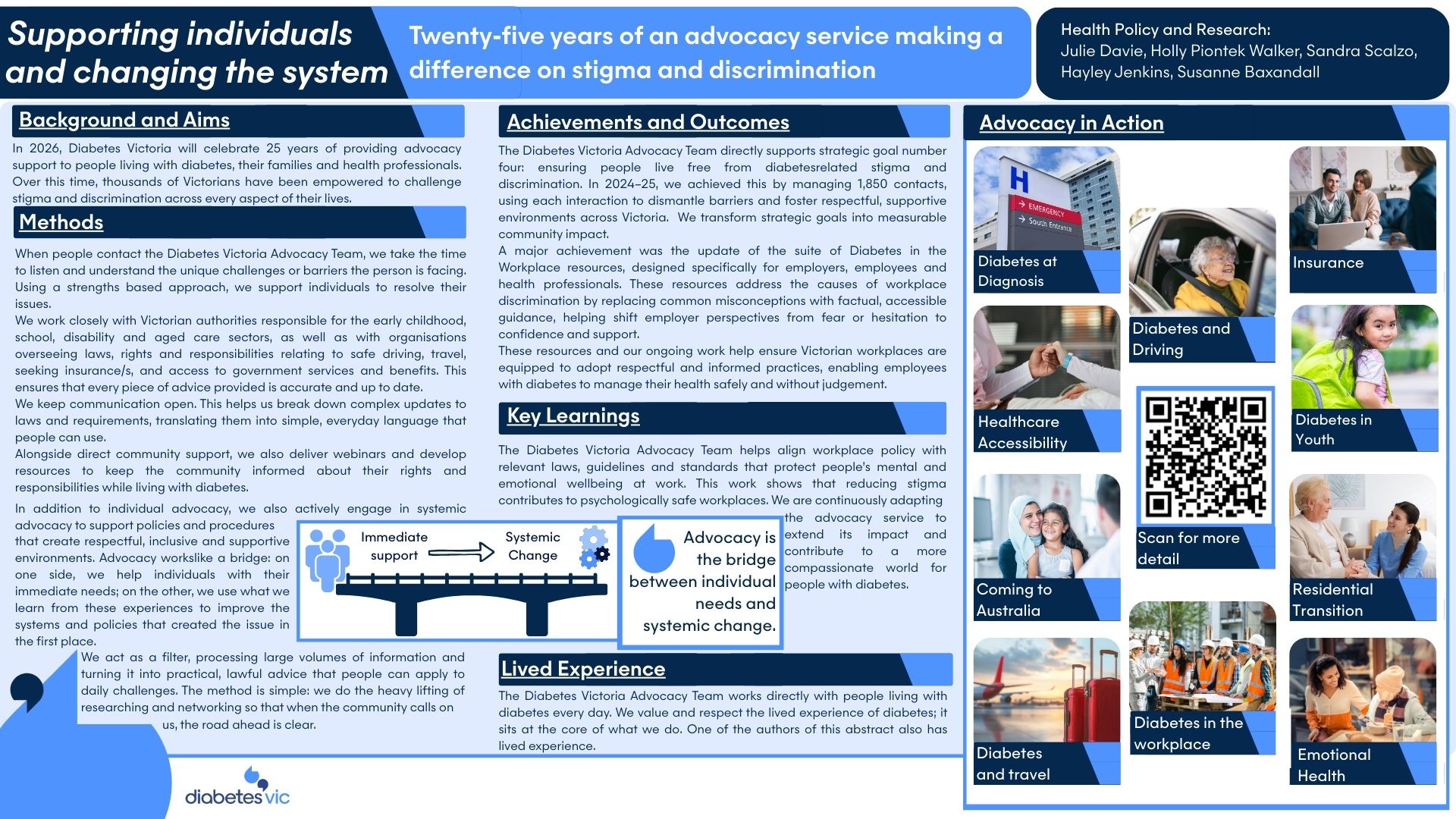
Twenty-five years of an advocacy service making a difference on stigma and discrimination
In 2026, Diabetes Victoria will celebrate 25 years of providing an advocacy service to stand beside people living with diabetes and their families. The service has provided support to thousands of Victorians by stepping in to help challenge stigma and discrimination in all areas of public life.
Methods
Our advocacy service helps with problem solving on a concern presented by an individual with diabetes, their family or their health professional. We take the time to listen to each person’s story, help them identify the unique challenges or barriers they are experiencing and use a strengths-based approach support them to resolve the issues.
Alongside individual support, we work on enabling policies and procedures to create respectful, inclusive and supportive environments. A key achievement was the development of our ‘Diabetes in the workplace’ resources for employers and employees to prevent workplace stigma and discrimination.
Common workplace issues we see include misconceptions about safety, assumptions about capability and some fear-based responses from employers, reinforcing the need for clear, accessible, stigma-reducing guidance.
During World Diabetes Day 2025, we invited workplaces to embrace the theme ‘Know more and do more for diabetes at work’ and used creative methods to engage on the messages.
Outcomes (achieved or expected)
The Diabetes Victoria strategic plan has a goal that ‘People will live free from diabetes stigma and discrimination.’ In 2024-25 the advocacy service contributed to this goal by supporting 1850 contacts, and we continue to work on new approaches to help all people affected by diabetes to feel respected in supportive environments.
Lessons Learned
We are aligning our workplace policy advocacy with emerging psychosocial hazard regulations, highlighting how stigma reduction contributes to psychologically safe workplaces.
We are also continually adapting our advocacy service to extend its impact on creating a more compassionate world for people with diabetes.
Centring Lived Experience in Diabetes Victoria’s Campaigns
Over the last two decades, Diabetes Victoria’s marketing campaigns have evolved significantly. Earlier Australian awareness campaigns, reviewed by the Australian Centre for Behavioural Research in Diabetes (ACBRD), were found to have limited impact on motivation and confidence, with 15% of viewers perceiving them as stigmatising. Fear-based messaging about diabetes often reinforced stigma.
This submission outlines Diabetes Victoria’s move toward empowerment-focused campaigns that are community-centred, promote understanding, reduce stigma and encourage action.
Methods
Diabetes Victoria now undertakes campaign development including:
Co-design workshops to guide messaging, tone and imagery (aligned with the principles outlined in the Our Language Matters position statement).
Consumer Advisory Committee reviews, with a representative sample of community members affected by diabetes.
Lived Experience Employee Engagement Group review.
Leadership Team review involving clinical experts and behavioural scientists.
Continuous feedback monitoring via improvement portal and CRM.
Under this approach, people living with diabetes play a central role in ensuring campaigns reflect real experiences and promote understanding.
Outcomes
Diabetes Victoria has intentionally shifted from risk-focused campaigns toward messages centred on strength and lived experience. This is evidenced in campaigns such as recent Christmas Appeals, Tax Appeals, and the National Diabetes Week campaign: Check today for a healthier tomorrow (2025).
Outcomes include:
Reduced use of fear-based messaging (measured by alignment with published guidelines and reduced use of negative imagery).
Greater inclusion of lived experience.
Increased net surplus from fundraising appeals.
Influence on Diabetes Victoria 2024-2030 strategy, embedding stigma reduction as a strategic priority.
This model demonstrates how health organisations can move beyond fear-based messaging to build stigma-free, impactful campaigns.
Lessons Learned
Fundraising campaigns are most effective when they are informative, not alarmist.
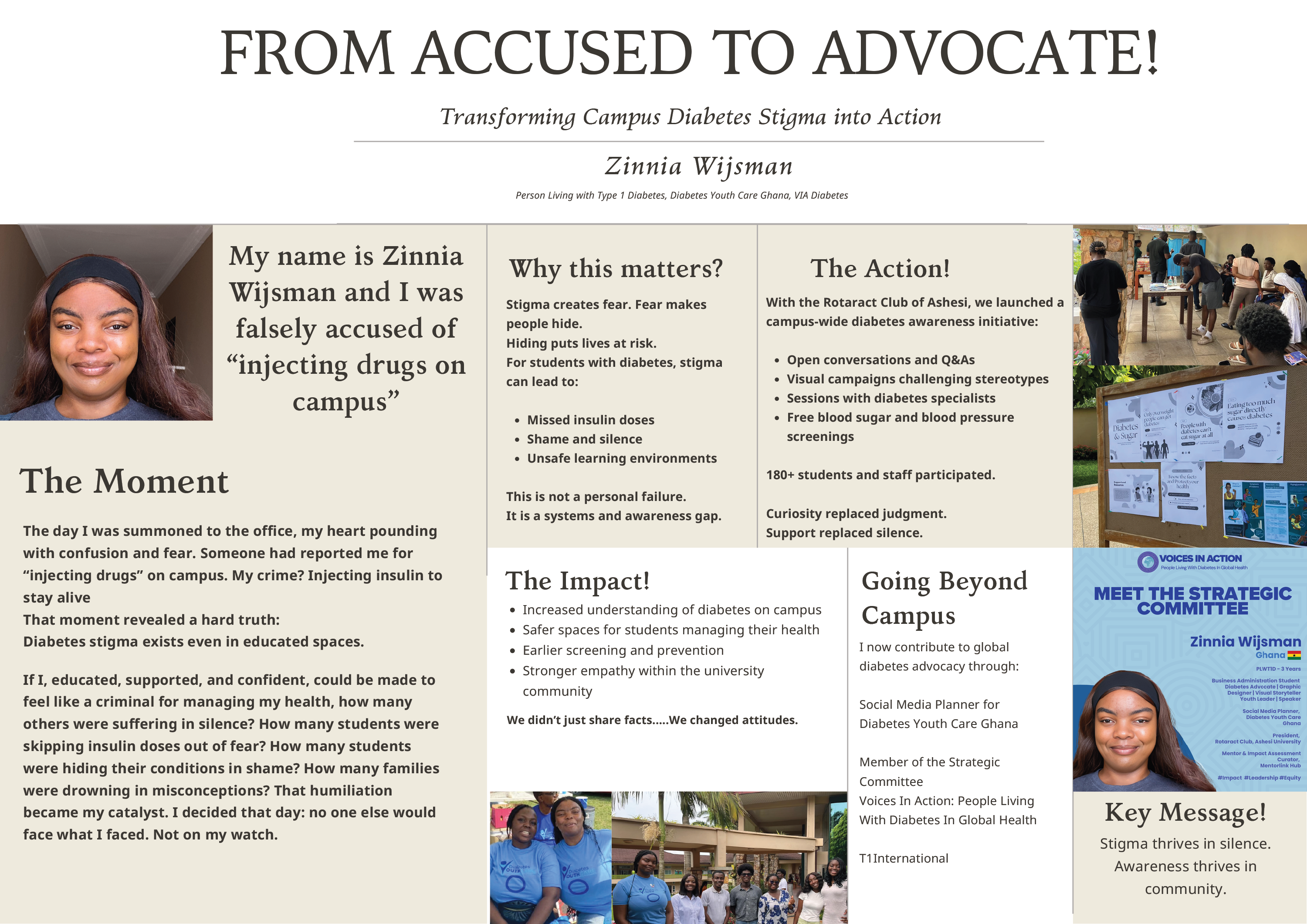
FROM ACCUSED TO AN ADVOCATE! : Transforming Campus Diabetes Stigma into a Movement of Awareness, Dignity, and Hope
Zinnia Wijsman, Diabetes Youth Care
Abstract
I will never forget the day I was summoned out of class to the admissions office, my heart pounding with confusion and fear. Someone had reported me for “injecting drugs” on campus. My crime? Injecting insulin to stay alive.
As I sat across from administrators explaining that my insulin pen wasn’t paraphernalia, having to demonstrate myself pricking my finger to show that my condition was true, I felt shame burn through me, not for having diabetes but for being misunderstood in the one place I thought was safe. When they finally believed me, I didn’t feel relieved. I felt anger. And then, clarity.
If I, educated, supported, and confident, could be made to feel like a criminal for managing my health, how many others were suffering in silence? How many students were skipping insulin doses out of fear? How many students were hiding their conditions in shame? How many families were drowning in misconceptions? That humiliation became my catalyst. I decided that day: no one else would face what I faced. Not on my watch.
I began my advocacy journey with the help of a student-led organisation called the Rotaract Club of Ashesi, of which I am currently the President. We launched a campus-wide initiative to raise awareness about and promote diabetes screening. We didn’t just share facts; we shared humanity through interactive Q&As, open conversations, visual campaigns, amazing lessons from doctors specialized in diabetes, and free screening events, including blood sugar checks and blood pressure checks. Every word we chose honored the dignity of people living with diabetes. Every poster challenged stereotypes. Every screening became a safe space.
Over 150 students and staff attended, not just for the screening, but also to gain a deeper understanding of the topic. Strangers approached me, trying to understand more about diabetes, lecturers understood why I had to drink in class or why I could not make it, and students who once stared now asked, “How can I help?”
We didn’t just change minds. We changed hearts!
But I knew local actions needed global perspectives. I joined several organizations known for their advocacy on diabetes, such as Diabetes Youth Care in Ghana, T1International, and Voices In Action, immersing myself in the worldwide diabetes advocacy movement. I studied global trends, connected with advocates across continents, and helped amplify the voices of those still fighting for access, dignity, and survival. These organisations taught me that stigma has no borders, and neither should our fight against it.
Stigma thrives in silence. But one voice, which is rooted in pain, fueled by purpose, can shatter it. When we lead with vulnerability, we permit others to learn, grow, and care.
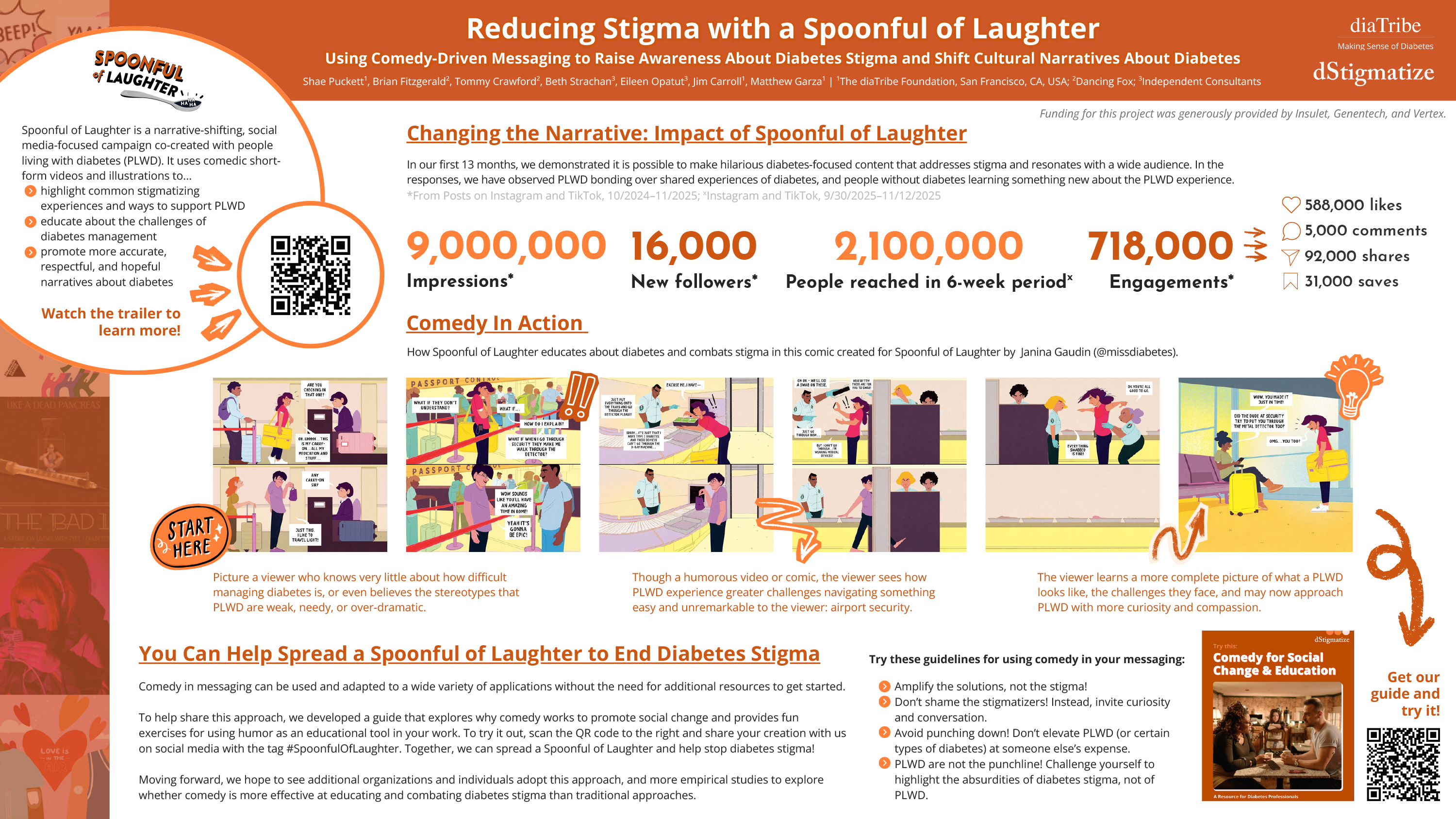
Reducing Stigma with a Spoonful of Laughter: Using Comedy-Driven Messaging to Raise Awareness About Diabetes Stigma and Shift Cultural Narratives About Diabetes
Amanda Puckett, The diaTribe Foundation
Co-authors:
Brian Fitzgerald; Tommy Crawford; Beth Strachan; Eileen Opatut; Jim Carroll; Matthew Garza
Abstract
Diabetes stigma is pervasive, impacting nearly 80% of adults living with diabetes. While research highlights methods such as language shifts and empathy-building exercises to reduce diabetes stigma, existing guidance is limited and focuses heavily on healthcare settings. To eliminate diabetes stigma, there is a need for broader awareness of the topic in the general public and effective strategies for reducing stigmatizing narratives and stereotypes about diabetes. As one potential solution, the diaTribe Foundation launched Spoonful of Laughter, a social media awareness and narrative-shifting campaign using comedy to educate about diabetes stigma while challenging harmful stereotypes.
The campaign used a combination of short-form video and illustrated comics, co-created with people living with diabetes (PLWD), to highlight common stigmatizing experiences, educate about challenges that PLWD navigate daily, and offer ways to support the diabetes community. Content was posted on Instagram and TikTok between October 2024 and November 2025, partnering with PLWD, nonprofits, and industry partners to amplify reach.
During the reported period, Spoonful of Laughter achieved over 9,000,000 views, 740,000 engagement actions (comments, likes, shares, and saves), and built a new audience of 16,000 people. The campaign’s reach peaked at 2,100,000 unique viewers in one 6-week window. Videos with the highest metric success had themes that both inspired relatability beyond the diabetes community while validating diabetes lived experiences.
These outcomes suggest that comedy-driven messaging can reach wide audiences both within and beyond the diabetes community and is useful for generating online discussion about life with diabetes and the impacts of stigma. The use of comedy-driven messaging on social media for awareness campaigns can be easily adopted by a variety of stakeholders with limited resources. Future research might explore the effectiveness of comedy-driven campaigns to increase issue awareness, reduce stigmatizing attitudes among audiences, and shift cultural narratives.
A Collaborative Effort to Address Diabetes Stigma in Sports and Physical Activity Through Targeted Education
Amanda Puckett, The diaTribe Foundation
Co-authors:
Diane Scherer; Chris Bright; Dessi Zaharieva; Matthew Garza
Abstract
Physical activity (PA) has many benefits for people living with diabetes (PLWD), including improving glucose management and reducing risk factors for diabetes-related complications. However, research suggests that people experiencing diabetes or weight stigma may be more likely to self-exclude or be excluded from PA, thereby missing out on the potential benefits. Despite this, PA remains an underrepresented area in diabetes stigma research and education.
To address this gap, the diaTribe Foundation partnered with INSPIRE T1D, an international exercise and diabetes research collaborative, to conduct interviews with athletes with diabetes, advance awareness and understanding of the relationship between diabetes stigma and PA, and create resources to help healthcare professionals (HCPs), teachers, and coaches foster inclusive, stigma-free spaces for PLWD.
Semi-structured interviews with four young adult athletes living with T1D explored the barriers PWLD face to engaging with PA. Themes included stigma and lack of knowledge about diabetes among coaches and peers. We then developed two resources to address the barriers discussed by PLWD: one targeted at HCPs working with PLWD, and one targeted at coaches and trainers who may encounter athletes living with diabetes for the first time. These resources focused on the importance of PA for PLWD, essential information for fostering inclusive support systems for PA, and tips for having stigma-free conversations about PA. Four additional resources are in development to address additional subpopulations (such as T2D), and a marketing strategy is being developed to increase reach and awareness. We plan to measure impact with impressions, downloads, and direct outreach to HCPs and professional organizations representing coaches/trainers.
This work demonstrates a need for targeted education for HCPs and exercise professionals. Collaboration between researchers, advocates, and PWLD can catalyze the development of resources for reducing diabetes stigma in these environments.
Financial support for this study was provided by Novo Nordisk.
From Awareness to Action: Cross-Sector Collaboration to End Diabetes Stigma and Foster a Positive, Supportive Environment in Taiwan
Kuan-yi Lin, Taiwan Association of Clinical Diabetes
Co-authors:
Samuel Chen; Min-Ling Chen; Yau-Jiunn Lee
Abstract
Despite Taiwan’s world-leading National Health Insurance system, diabetes stigma persists, creating structural barriers such as workplace exclusion, insurance denial, and regulatory lag (e.g., restrictions on Continuous Glucose Monitoring devices in national exams). In 2024, the Taiwan Association of Clinical Diabetes (TACD) launched the “End Diabetes Stigma” campaign. Following strategic collaboration with experts from the International Diabetes Federation (IDF) in Australia, the initiative pivoted from merely raising public awareness to implementing concrete, cross-sectoral policy advocacy.
By 2025, employing a multi-stakeholder strategy, the TACD achieved three major systemic breakthroughs. First, the publication of Taiwan’s first Physician-Patient Communication Guide aimed to refine medical language at its source. Second, hosting public hearings established a critical dialogue platform, successfully prompting the Ministry of Health and Welfare to commit to drafting CGM subsidies for Type 1 Diabetes patients, while legislators pledged to modernize medical device regulations to accommodate emerging technologies. Third, the signing of Memoranda of Understanding (MOUs) with corporations institutionalized supportive environments in the workplace. This case demonstrates that integrating a global perspective with local action can effectively transform destigmatization efforts into tangible policy reform, providing a practical framework for the global community.
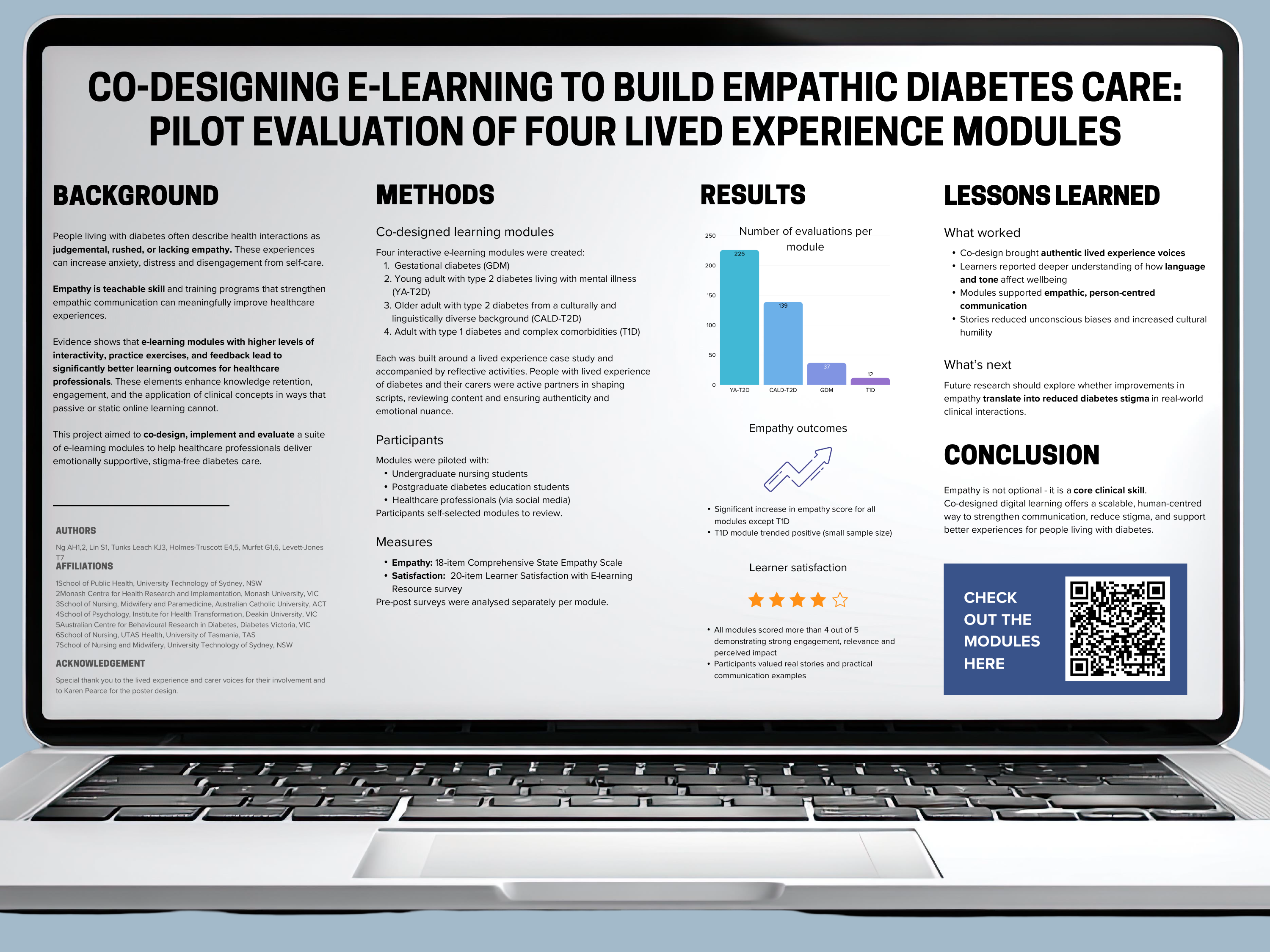
“Can you feel what I feel” – A lesson in empathic diabetes care to healthcare professionals
Ashley Ng, Monash Centre for Health Research & Implementation
Co-authors:
Katie Tunks Leach; Elizabeth Holmes-Truscott; Giuliana Murfet; Tracy Levett-Jones
Background
Stigmatising healthcare interactions are commonly reported by people with diabetes as lacking empathy, and contributing to anxiety, distress and reduced engagement in self-management. Empathic care is a teachable skill and essential for supporting people living with diabetes. This project aimed to co-design, implement and evaluate a set of e-learning resources to enhance healthcare professionals’ capacity to provide empathic care for people living with diabetes.
Methods
Four e-learning modules, including experiential video case studies and reflective activities, representing diverse experiences: woman with gestational diabetes (GDM); young adult with type 2 diabetes and mental illness (YA-T2D); older adult with T2D from a culturally and linguistically diverse background (CALD-T2D); adult with type 1 diabetes and complex comorbidities (T1D). Individuals with lived experience of these priority groups were invited to co-produce case studies. The modules were piloted with undergraduate nursing students, postgraduate diabetes education students, and healthcare professionals recruited through social media. Participants self-selected modules to review. Pre-post surveys assessed change in empathy levels (18-item Comprehensive State Empathy Scale; CSES) and learner satisfaction (20-item Learner Satisfaction with E-Learning Resource survey). Data were examined separately per module.
Outcomes
A total of 414 participants completed the pre-post surveys, with sample sizes varying per module (YA-T2D, n=226; CALD-T2D, n=139; GDM n=37; T1D n=12). Statistically significant improvements in empathy levels were observed for all modules except for that focused on T1D, which trended toward significance. Mean scores on the LSELR scale exceeded 4.0 on a 5-point scale, indicating positive learning experience from participants.
Lessons Learned
Co-designing case studies with people with lived experience provided authentic perspectives that enhanced understanding of the impact of language and behaviour in diabetes care. This approach supports empathic engagement and reduces unconscious burden. Future research should examine whether enhanced empathic care translates into measurable reductions in diabetes stigma within healthcare.
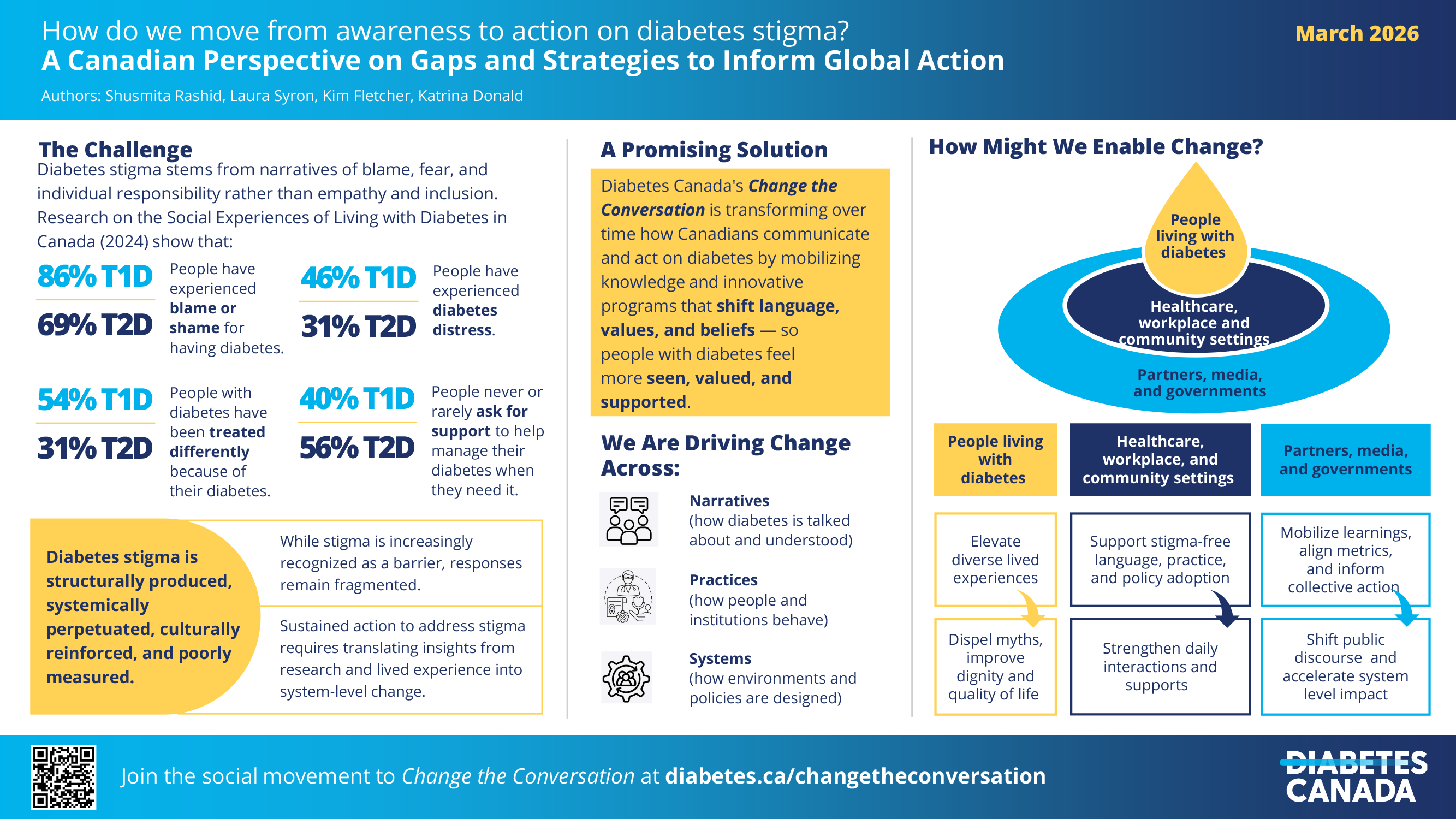
How do we move from awareness to action on diabetes stigma? A Canadian Perspective on Gaps and Strategies to Inform Global Action
Shusmita Rashid, Diabetes Canada
Co-authors:
Laura Syron; Kim Fletcher; Katrina Donald
Background / Context
Diabetes stigma stems from narratives of blame, fear, and individual responsibility, rather than empathy and inclusion, where people with diabetes feel seen, valued and supported. Findings from Canada show that many people experience diabetes distress, stigma, and gaps in support that undermine health and quality of life [Diabetes Canada, 2024]. While stigma is increasingly recognized as a barrier, responses remain fragmented and uneven. Sustained action to solve this wicked problem requires translating insights from research and lived experience into system-level strategies.
Opportunities
Through Change the Conversation (CTC), Diabetes Canada designs and tests innovative approaches, including myth-busting campaigns, training, and other interventions aimed at fostering diabetes-inclusive spaces. These efforts exemplify the multi-level action required to change the language, beliefs, and values of and about people living with diabetes. Adapting these strategies across diverse contexts can accelerate progress toward a stigma-free future.
Challenges
Addressing diabetes stigma is challenging because it is structurally produced, systemically perpetuated, culturally reinforced, and poorly measured. Progress is hindered by the invisibility of stigma within national policies, the implicit bias among some healthcare professionals, self-blame among individuals, and structural stigma embedded in everyday systems. The lack of consistent measures to track progress at the individual, organizational, and system levels further complicates their implementation and scalability.
Recommendations
Elevate lived-experience storytelling to build awareness and empathy and motivate change in how people perceive and engage with people living with diabetes. Build cross-sector alliances connecting healthcare, employers, and media for collective action. Embed anti-stigma principles into healthcare, workplaces, and public systems to normalize inclusive practices. Establish and share consistent metrics and strategies for mobilizing learning across local, national, and global efforts.
Meaningful Involvement of People with Lived Experience
People living with diabetes actively shape CTC, from assessing gaps and opportunities, to co-designing strategies to reflect real-world challenges and empower individuals and communities to lead change.
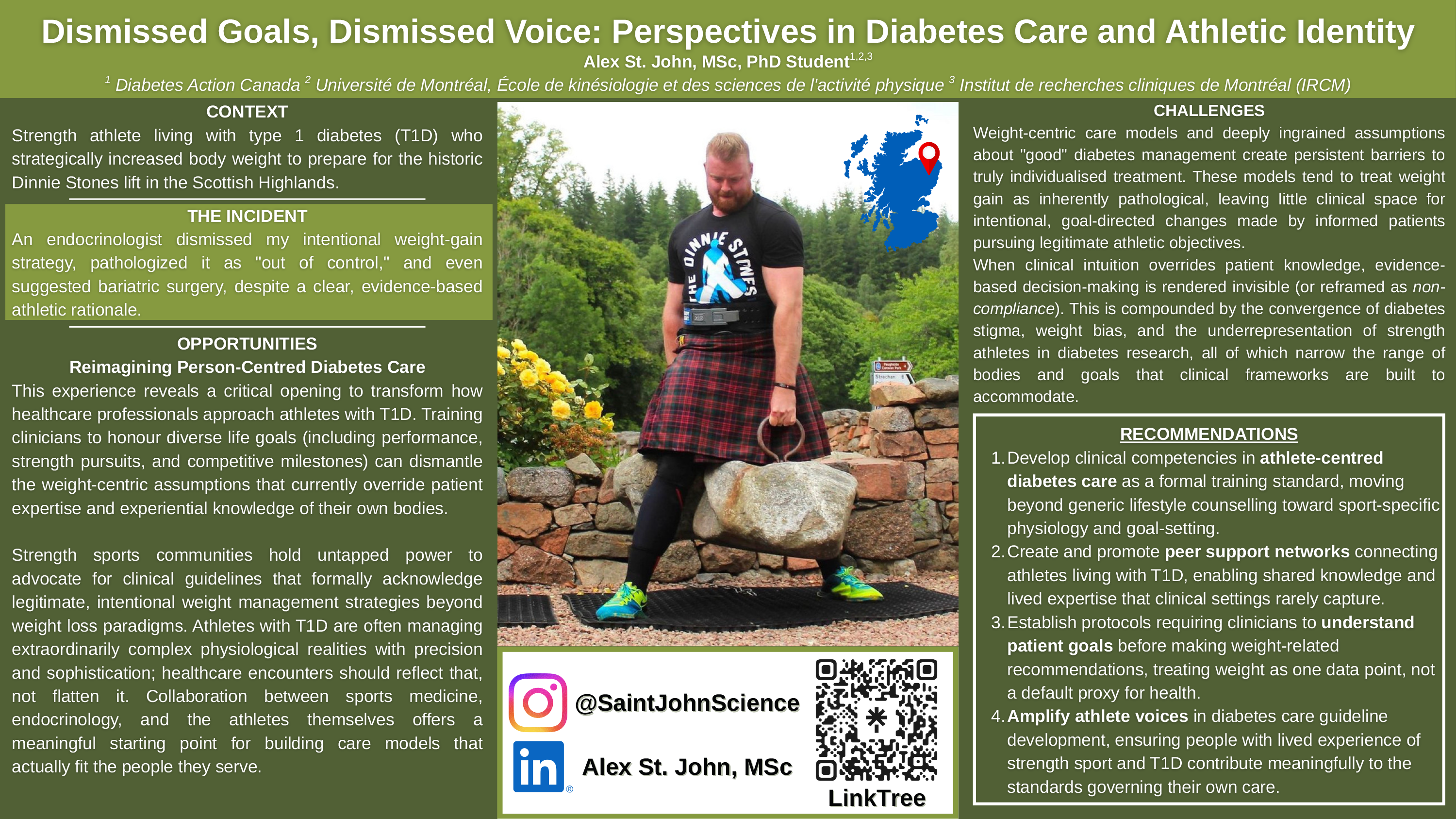
Dismissed Goals, Dismissed Voice: When Athletics Ambitions Meet Medical Bias in Type 1 Diabetes Care
Alex St. John, Institut de recherches cliniques de Montréal (IRCM)
Background / Context
Strength athletes living with type 1 diabetes (T1D) often face unique challenges when intentional weight gain (a legitimate strength-building strategy) conflicts with medical assumptions about “good” diabetes management. While preparing for the historic Dinnie Stones lift in the Scottish Highlands, I strategically increased my body weight to build the strength needed for this feat. Rather than recognizing this as an informed evidence-based decision, my endocrinologist at the time dismissed my reasoning, pathologized the weight gain as “out of control”, and even suggested bariatric surgery (demonstrating how weight stigma and paternalistic care can override patient autonomy and expertise about their own bodies and goals).
Challenges
This experience reveals opportunities to train healthcare professionals in person-centred care that honours diverse life goals, athletic pursuits, and bodily autonomy. Strength sports communities can advocate for guidelines acknowledging legitimate reasons for weight management strategies beyond weight loss.
Challenges
Weight-centric care models and ingrained assumptions about diabetes management create barriers to truly individualized treatment. The intersection of diabetes stigma, weight bias, and gender in sport remained underexplored, particularly regarding who is believed and whose goals are validated.
Recommendations
Develop clinical competencies around athlete-centred diabetes care, create new or encourage participation in existing peer support networks connecting athletes with diabetes, establish protocols requiring healthcare professionals to understand patient goals before making weight-related recommendations, and amplify athlete voices in diabetes care guidelines.
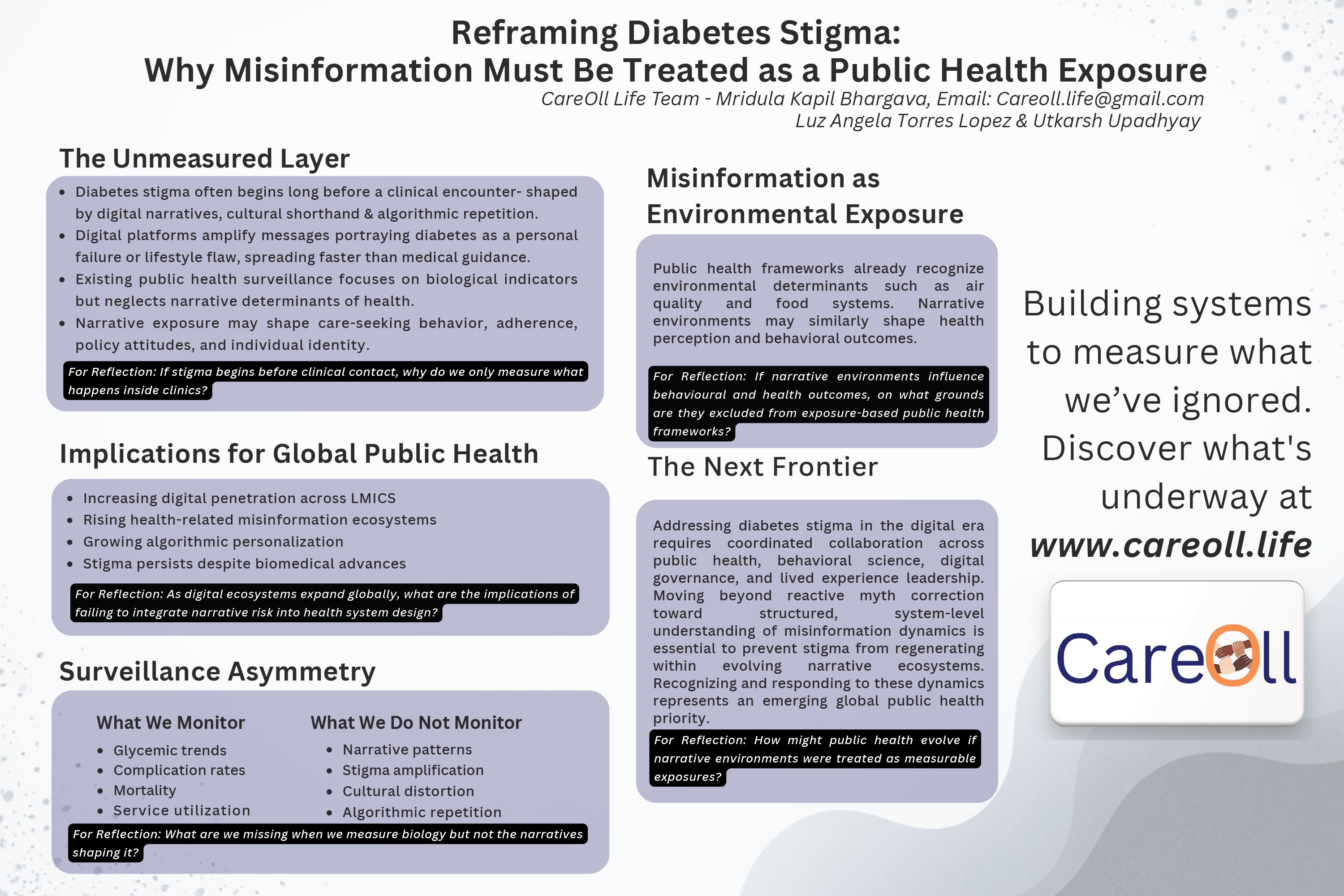
Reframing Diabetes Stigma: Why Structured Misinformation Surveillance Must Become a Global Public Health Priority
Mridula Bhargava, CareOll Life and Diabetes Fighters’ Trust
Co-authors:
Dr Luz Angela Lopez
Abstract
Diabetes stigma is shaped long before clinical interaction. It forms when narratives portraying diabetes as a personal failure, lifestyle flaw, or reversible condition spread unchecked through digital channels, cultural beliefs, and commercial messaging. These messages circulate with emotional velocity, algorithmic amplification, and community repetition, often reaching individuals faster than credible medical guidance.
Despite global advancements in diabetes care, surveillance systems exist for glucose trends, complications, and biomedical outcomes but not for misinformation, which silently influences behaviour, policy attitudes, care access, and self-identity.
There is now a clear opportunity to treat misinformation as an analyzable and preventable phenomenon. With natural language processing (NLP), machine learning classifiers, sentiment analysis, and pattern-mapping tools, misinformation can be detected, categorized, and monitored the way we track epidemiological trends. This shift enables us to understand not just what misinformation exists, but also where it originates, how it evolves, and who it most affects.
CareOll- A Health Intelligence platform is being developed to establish this structured intelligence layer, combining real-time claim verification, AI-driven evidence retrieval, guideline mapping, and human-expert review. Beginning with diabetes and expanding gradually to other non-communicable diseases, the approach integrates technical rigor with compassion-based communication to avoid reinforcing shame or defensiveness.
Key challenges include multilingual processing, cultural interpretation, ethical content handling, and balancing precision with public accessibility. Opportunities lie in integrating this framework with advocacy, large scale research, locating the epicentre of misinformation and stigma, digital governance, health education, clinician support, and stigma-aware communication.
Reducing diabetes stigma requires more than correcting false statements- it requires building systems where truth becomes accessible, contextual, and trusted.
Meaningful Lived Experience Involvement
This work is led by an individual living with type 1 diabetes for 33 years and shaped through continuous consultation with people, families, NCD advocates and communities affected by stigma and misinformation. Their lived realities inform tone, priorities, usability, and direction.
Why Women Living with Diabetes Rarely Disclose Sexual Wellbeing Concerns: Psychosocial Stigma and Systemic Neglect in India and South Africa
Helga Nefdt, Ninety9Zero
Co-authors:
Deeksha Dev
Background / Context
Sexual well-being concerns are widely reported among women living with diabetes in both India and South Africa, yet remain largely absent in routine care. High prevalence of distress related to sexual function has been documented in women with Type 1 and Type 2 diabetes, impacting intimacy, self-esteem, and participation in care. However, cultural silence around sexuality and limited focus on women’s sexual health in diabetes practice result in significant unmet needs in both settings.
Challenges
Women in India describe feeling “undesirable” or “broken” due to fluctuating glucose levels, device visibility, and expectations related to femininity, marriage, and fertility. In South Africa, even when there is trust in healthcare, sexual well-being remains undiscussed due to limited training and the absence of structured screening practices in primary care consultations. Across both contexts, women frequently lack awareness that diabetes-related sexual concerns are valid and treatable. Internalized stigma, fear of judgment, and clinicians’ discomfort contribute to silence — not due to lack of need, but lack of safe openings for disclosure.
Recommendations
To support recognition and help seeking, three feasible approaches are identified: 1. Integrate online sexual wellbeing prompts into diabetes review forms to normalise conversation without pressure. 2. Provide micro-training for diabetes counsellors and educators on empathetic listening and appropriate referral pathways. 3. Develop patient-facing information clarifying that sexual wellbeing concerns are common with diabetes and support exists.
Reflections
Sexual wellbeing is central to dignity and relationships and should not be treated as secondary to metabolic indicators. Routine, non-judgmental enquiry in India and South Africa can transform silence into agency — strengthening emotional safety and care engagement for women living with diabetes.
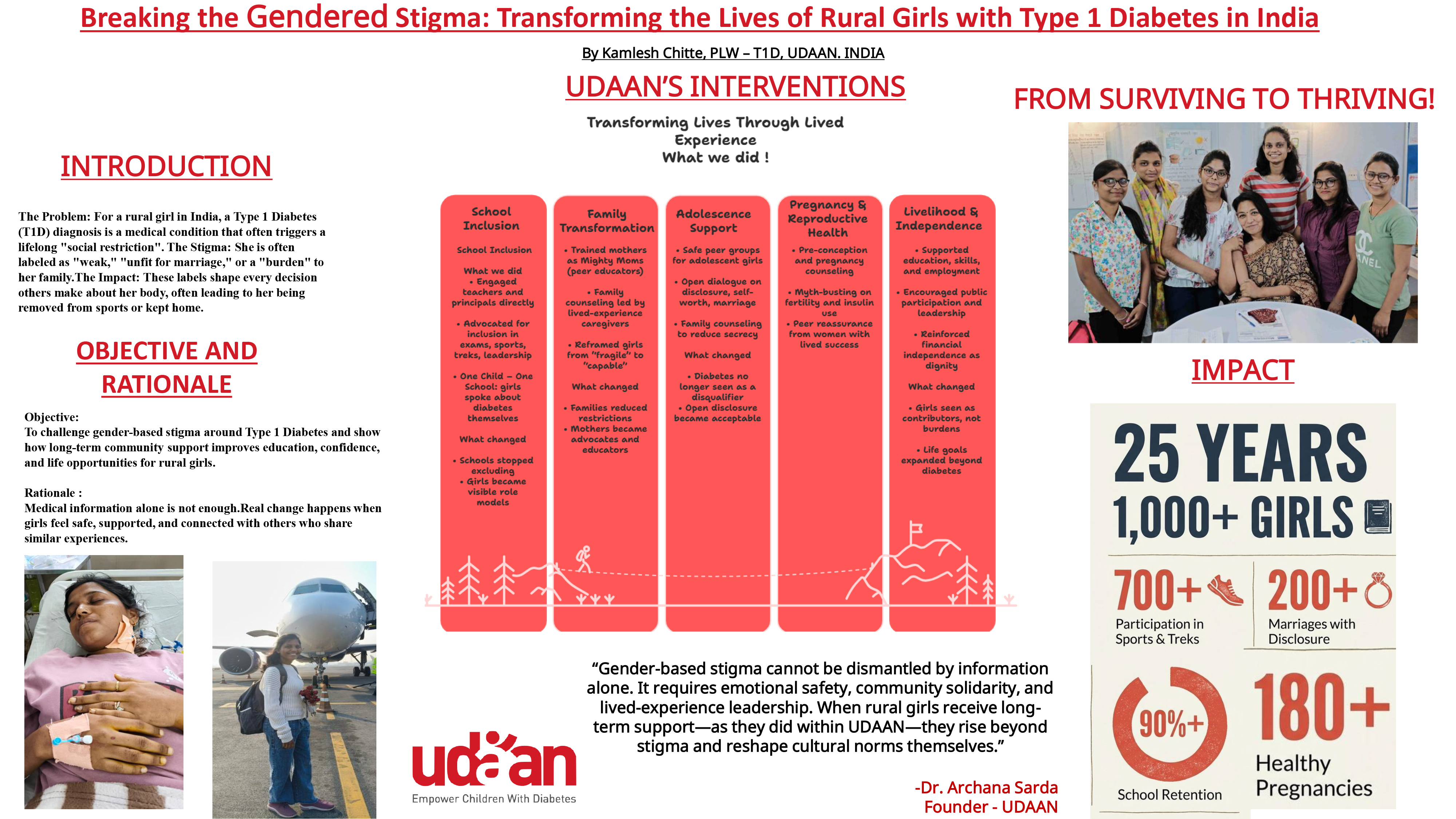
Ending Diabetes Stigma in Low-Resource Settings: What Rural Communities Can Teach the Global T1D Movement
Archana Sarda, UDAAN An NGO for children with Diabetes
Background
Across the world, children with Type 1 Diabetes (T1D) survive not just because of strong systems, but because of strong communities. In low-resource settings, stigma—often around insulin—becomes the deepest wound: silence in families, shame in schools, gendered restrictions, curtailed livelihoods, myths around marriage and motherhood, and the quiet message that children with T1D are “lesser.”
UDAAN’s CHILD Model (Community-led Health through Integrated Localized Diabetes-care) emerged in rural India as a response to this pain. Twenty-five years ago, survival itself was rare. The model grew organically—from loss, listening, and the resilience of families who refused to abandon hope. Today, 80% of UDAAN’s team lives with T1D or has a child with T1D, making this approach deeply authentic and globally relevant.
As I often say: “Stigma reduction begins when we walk our talk—when people with T1D hold a powerful place at every table of care, especially in the most resource-scarce settings.”
Opportunities (Grounded in UDAAN’s Successful Stigma-Reduction Work)
* Lived-experience trained educators and youth coaches who counter shame with credibility. * School sensitization and structured youth advocacy by locals living with T1D that rewrite community perceptions. * Local-language tools—animations, folk media, games, videos—that replace myths with understanding. * 24×7 helplines and peer networks supporting families during stigma-triggering crises. * Trained and structured support groups by local T1D moms, alongside adolescent clinics dismantling gendered stigma across the life course.
Challenges
Intersectional stigma remains invisible in formal metrics. Funding undervalues lived-experience work. Cultural norms still restrict autonomy.
Recommendations
* Recognize stigma reduction as a core clinical outcome. * Institutionalize lived-experience advocates in diabetes programs. * Track stigma indicators in registries: school retention, disclosure safety, gender outcomes. * Build cross-sector partnerships to address culture, gender, and structural inequities. * Adapt community-led models like CHILD by UDAAN across low-resource regions.
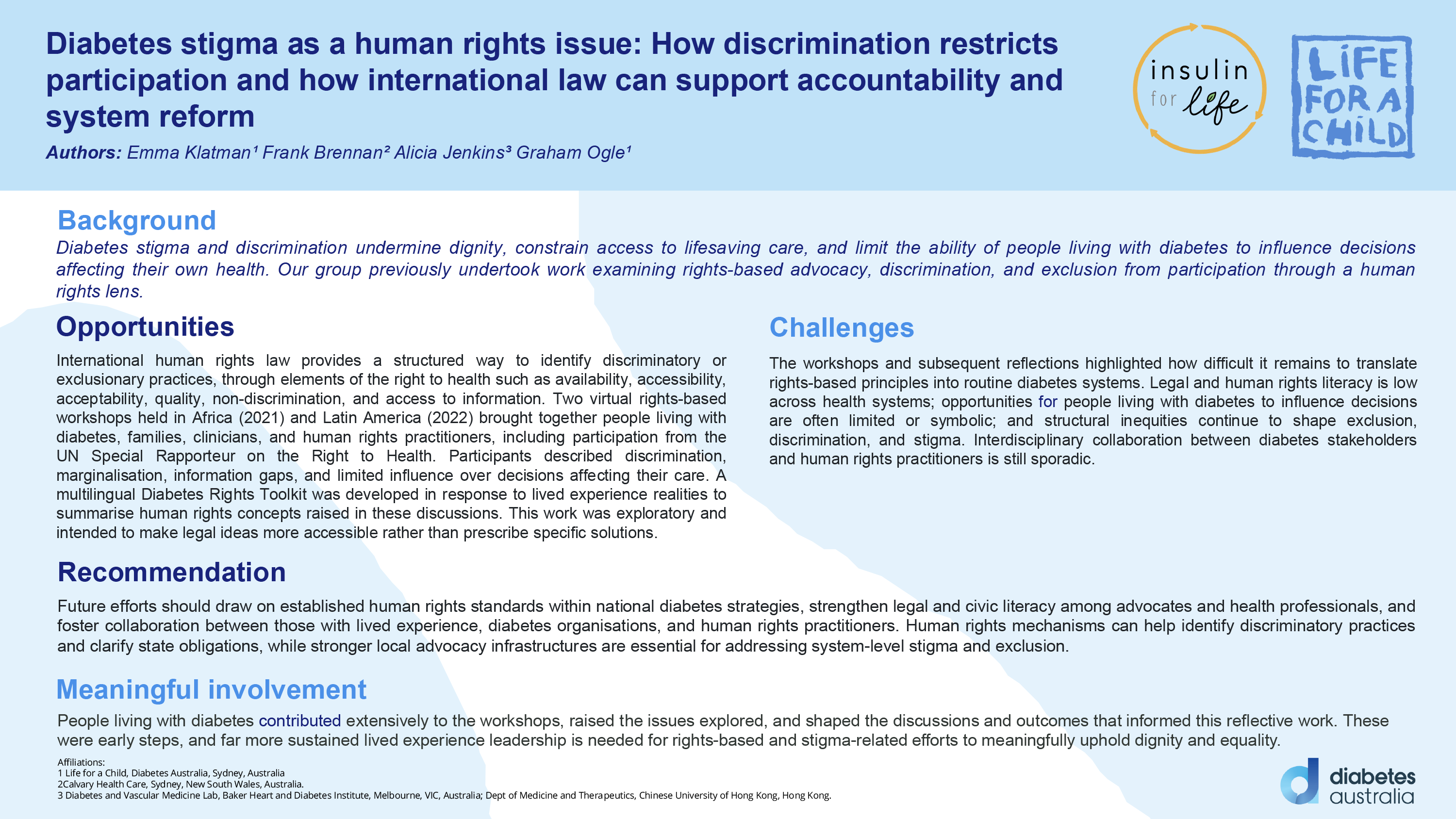
Diabetes stigma as a human rights issue. How discrimination restricts participation and how international law can support accountability and system reform
Emma Klatman, Life for a Child, Diabetes Australia
Co-authors:
Frank Brennan; Alicia Jenkins; Graham Ogle
Background / Context
Diabetes stigma and discrimination undermine dignity, constrain access to lifesaving care, and limit the ability of people living with diabetes to influence decisions affecting their own health. Our group previously undertook work examining rights-based advocacy, discrimination, and exclusion from participation through a human rights lens.
Opportunities
International human rights law provides a structured way to identify discriminatory or exclusionary practices, through elements of the right to health such as availability, accessibility, acceptability, quality, non-discrimination, and access to information. Two virtual rights-based workshops held in Africa (2021) and Latin America (2022) brought together people living with diabetes, families, clinicians, and human rights practitioners, including participation from the UN Special Rapporteur on the Right to Health. Participants described discrimination, marginalisation, information gaps, and limited influence over decisions affecting their care. A multilingual Diabetes Rights Toolkit was developed in response to lived experience realities to summarise human rights concepts raised in these discussions. This work was exploratory and intended to make legal ideas more accessible rather than prescribe specific solutions.
Challenges
The workshops and subsequent reflections highlighted how difficult it remains to translate rights-based principles into routine diabetes systems. Legal and human rights literacy is low across health systems; opportunities for people living with diabetes to influence decisions are often limited or symbolic; and structural inequities continue to shape exclusion, discrimination, and stigma. Interdisciplinary collaboration between diabetes stakeholders and human rights practitioners is still sporadic.
Recommendations
Future efforts should draw on established human rights standards within national diabetes strategies, strengthen legal and civic literacy among advocates and health professionals, and foster collaboration between those with lived experience, diabetes organisations, and human rights practitioners. Human rights mechanisms can help identify discriminatory practices and clarify state obligations, while stronger local advocacy infrastructures are essential for addressing system-level stigma and exclusion.
Meaningful Involvement
People living with diabetes contributed extensively to the workshops, raised the issues explored, and shaped the discussions and outcomes that informed this reflective work. These were early steps, and far more sustained lived experience leadership is needed for rights-based and stigma-related efforts to meaningfully uphold dignity and equality.
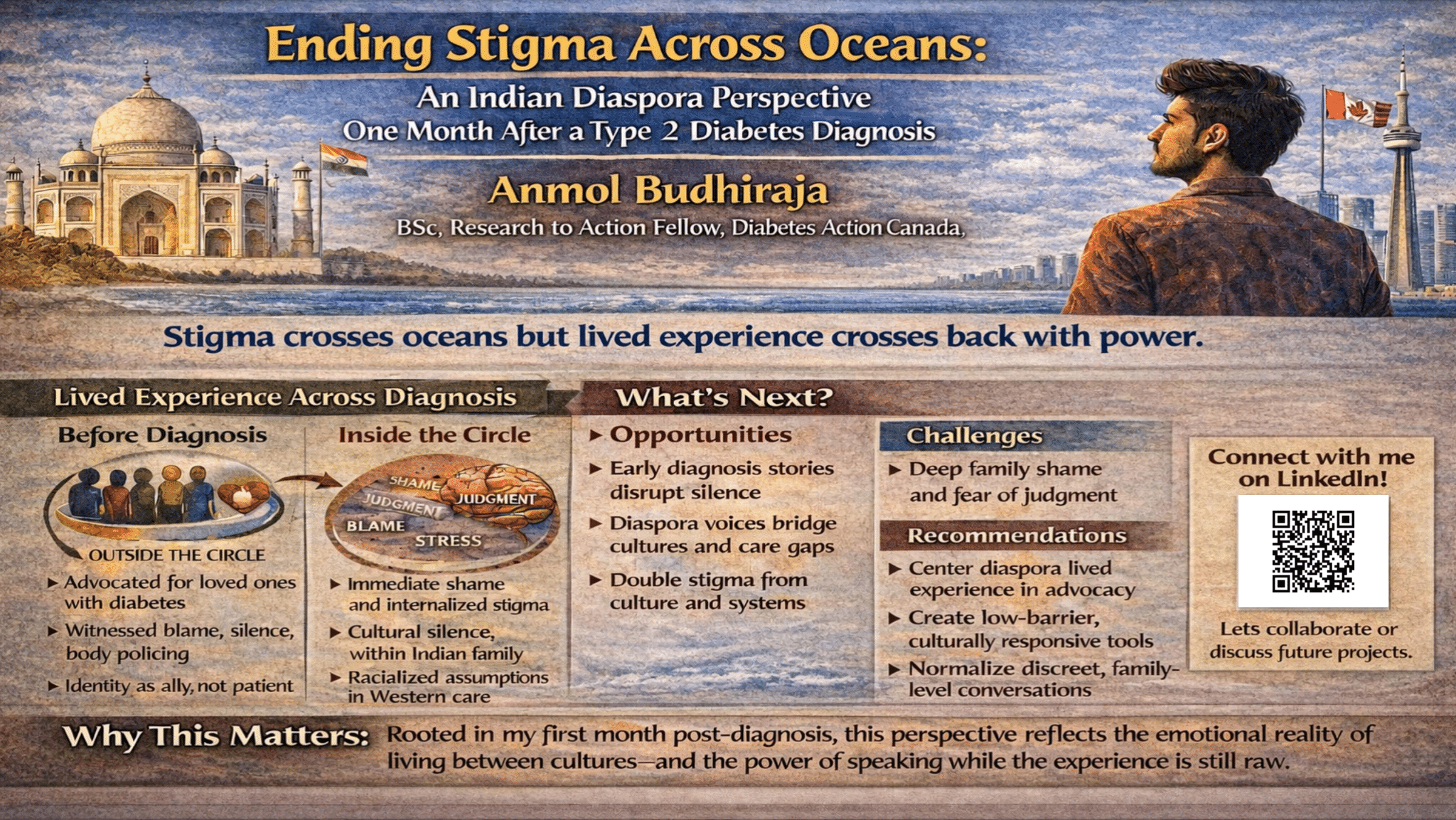
Fighting Stigma Across Oceans: An Indian Diaspora Perspective One Month After a Type 2 Diabetes Diagnosis
Anmol Budhiraja, Diabetes Action Canada (DAC)
Background / Context
I was diagnosed with type 2 diabetes only a month ago. In that short time, I’ve carried the familiar, heavy weight of shame rooted in memories of comments about my weight, unsolicited advice, and the expectation to remain “strong” and silent. As an Indian person who has lived in Canada for quite a long time, I now experience stigma from two directions: racialized assumptions in Western care and cultural stigma in my motherland that makes speaking about my diagnosis feel impossible. This dual burden places diaspora communities in a unique position to witness how stigma crosses borders, generations, and families.
Opportunities
Raw, early experiences of diagnosis can disrupt silence and challenge global stigma narratives. Diaspora experiences offer insights that blend cultural understanding with lived experience, revealing gaps in care and support. By sharing these stories, we can empower people who feel voiceless, inspire dialogue about stigma, and encourage culturally sensitive approaches in both Western and Indian contexts.
Challenges
Shame in Indian families, including my own extended families, silences people before they can even speak. Many suffer quietly rather than risk judgment or blame. Simultaneously, Western systems impose stereotypes that dismiss brown bodies. This double stigma traps individuals in fear, making the first months after diagnosis particularly isolating and emotionally complex.
Recommendations
Center diaspora lived experience in designing culturally sensitive advocacy and educational tools. Provide low-barrier resources to empower people in the early months post-diagnosis. Foster India–diaspora partnerships to tackle stigma with empathy and insight. Normalize open conversations about diabetes within families using practical, accessible, and discreet advocacy tools.
Lived Experience Involvement
This perspective is rooted in my first month of diagnosis, shaped by my extended family’s silence, my cultural identity, and my work supporting others living with chronic conditions. It is informed by lived, loved, learned, and laboured experience, giving both urgency and authenticity to every insight shared.
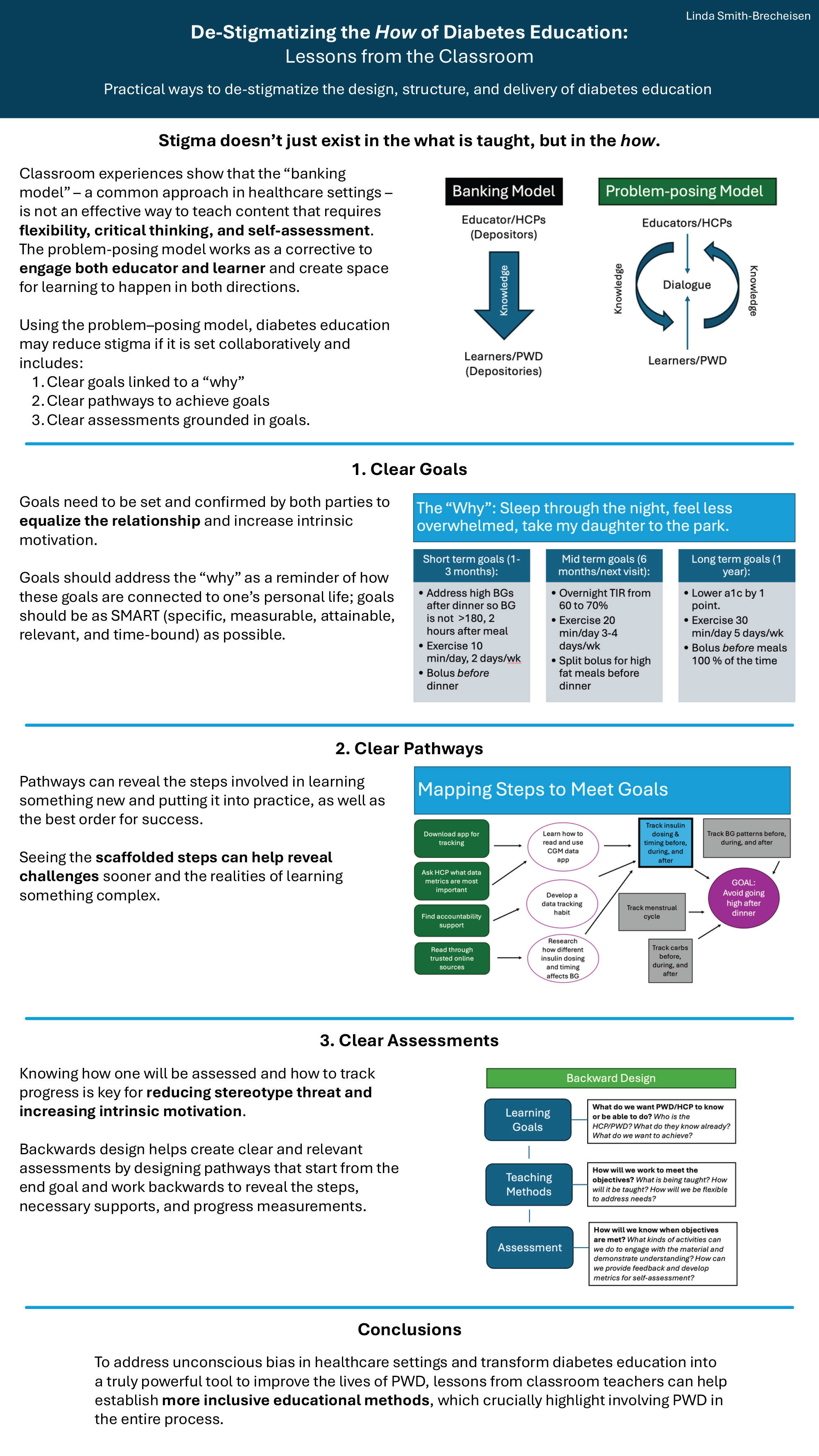
Linda Smith-Brecheisen, University of Texas at Dallas
Abstract
We know that stigmatizing language about diabetes has deleterious effects. What is less discussed is stigma that resides in another place: education. Stigma doesn’t just exist in the what is taught, but in the how. Discussions about stigma in diabetes have come a long way but have not yet addressed de-stigmatizing the design, structure, and delivery of diabetes education.
Data shows that people with diabetes (PWD) do not meet glycemic metrics set by healthcare providers (HCPs). Of the many interconnected issues, the target itself is problematic and the ways that PWD are eliminated from the decision making involved in creating assessment metrics and the pathways to achieve them. PWD are often demotivated because our lived experiences are rarely addressed or acknowledged as a form of expertise in our education and management and because the methods by which we are educated fail to address implicit bias built into the design.
To address bias in healthcare settings and transform diabetes education into a truly powerful tool to improve the lives of PWD, we must first understand the problems inherent in current diabetes education: How does current education design and delivery privilege some learners while punish others? How do biased HCP assumptions about PWD abilities impact learning outcomes?
We must then consult established inclusive educational methods, which crucially highlight involving PWD in the entire process: what can HCPs borrow from transformative and anti-racist educational design theories from foundational education scholars like John Dewey, who focuses on the value of experiential learning and Paolo Freire, who positions teachers and students as co-learners?
This talk will begin to open a much needed dialogue between HCPs and education experts who bring innovative ways of discussing and addressing stigma in education and who, crucially, involve students (in this case, PWD) to create more equitable outcomes.
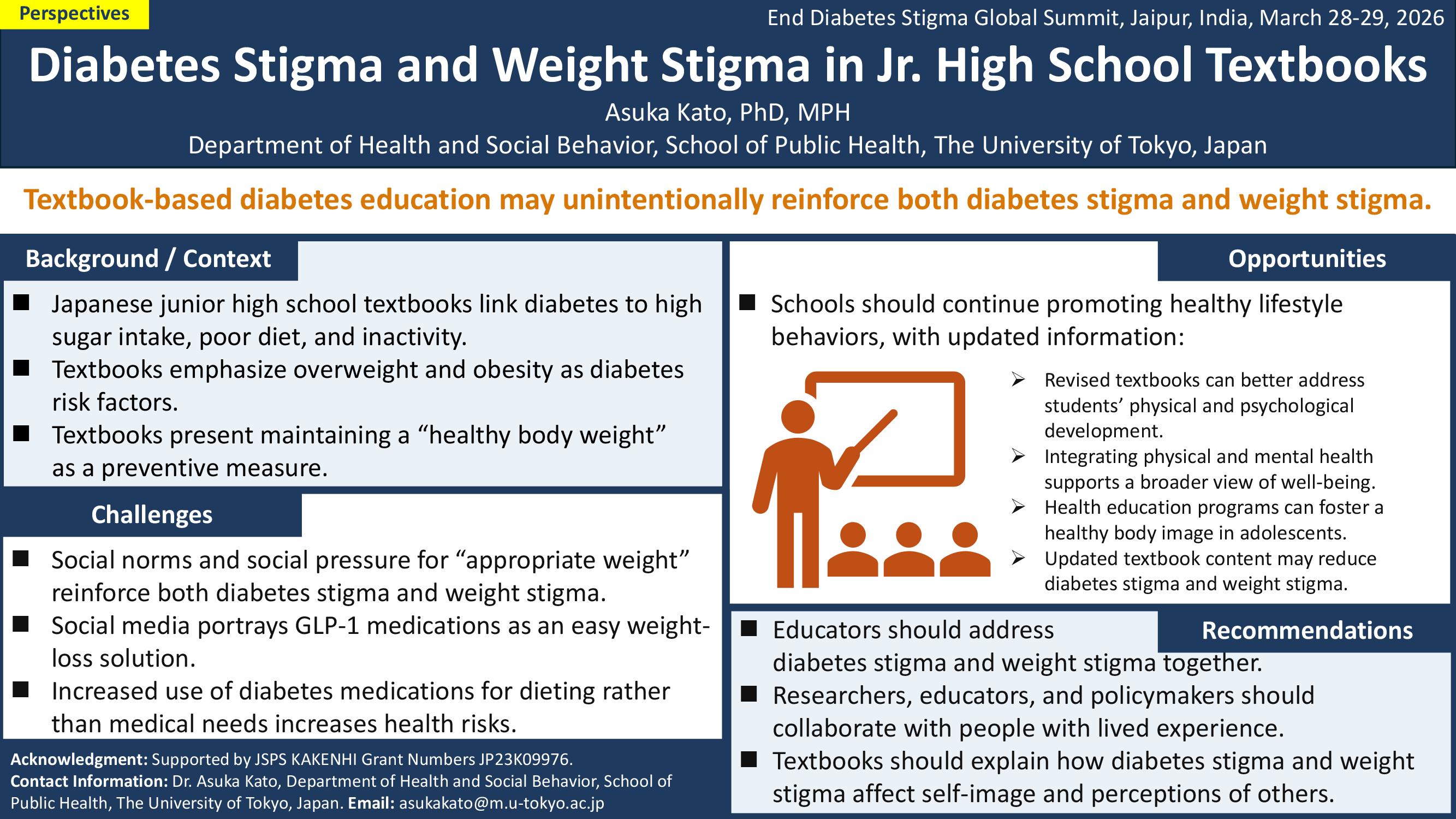
Diabetes Stigma and Weight Stigma in Jr. High School Textbooks
Asuka Kato, The University of Tokyo
Background / Context
In Japanese junior high schools’ health textbooks, diabetes is described as a condition caused by factors such as high sugar intake, an unbalanced diet, and lack of exercise. It is covered within units on healthy lifestyle habits, with warnings that being overweight or obese increases diabetes risk. Textbooks also emphasize the importance of maintaining a healthy body weight.
Opportunities
While schools should continue teaching the meaning of a “healthy lifestyle,” future textbook revisions need to better address students who are at a crucial stage of physical and psychological development. Integrating both aspects is essential for promoting a fuller understanding of “health,” reducing diabetes stigma and weight stigma, and helping students develop a healthy body image.
Challenges
A concerning trend has emerged among young people, particularly girls. Although the Japan Diabetes Society and the Japan Medical Association clearly state that the use of GLP-1 medications by individuals without diabetes is “off-label” and “inappropriate,” social media and online posts have spread appealing claims that these drugs suppress appetite and lead to weight loss without strict dieting or strenuous exercise. As a result, more young girls are purchasing GLP-1 medications originally intended for type 2 diabetes, using them for dieting or body image purposes rather than medical need.
Recommendations
In Japan, social pressure to maintain an “appropriate weight” or follow “proper weight management” has increased interest in medication-based approaches to weight loss, further driving demand for these drugs. These social norms also reinforce both weight stigma and diabetes stigma. Therefore, moving forward, working groups addressing weight stigma and diabetes stigma—together with individuals with lived experience of diabetes and obesity—should collaborate, as these stigmas are two sides of the same coin. Future textbook revisions must help students understand how these stigmas affect both themselves and others.
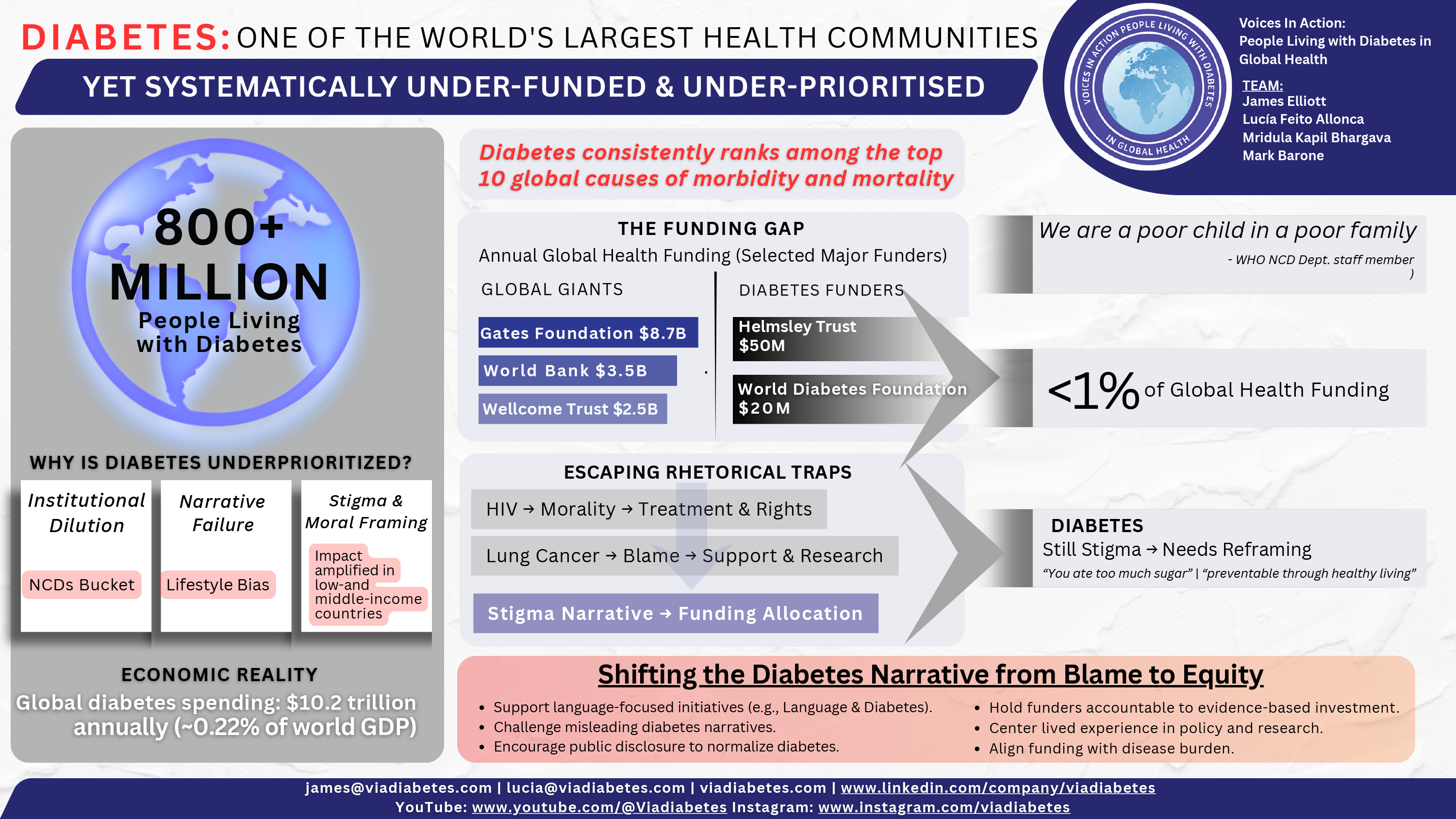
How diabetes stigma impacts us at the high level: underfunding and political minimization
James Elliott, Voices in Action: PLWD in Global Health
Co-authors:
Lucía Allonca; Mark Barone
Abstract
Over 800 million people live with diabetes. This makes people living with diabetes one of the world’s largest condition-based communities. And yet, the amount of attention and resources given to diabetes pails in comparison to other health conditions, many that have just a fraction of the number of people affected. This segment will try and identify the reasons why there is such an imbalance.
Diabetes stigma will be examined as one of the causal factors of this imbalance between the impact of diabetes vs the limited amount of resources being dedicated to it. We will examine statements made by prominent global health actors, e.g., Gates Foundation, demonstrating their reluctance to fund diabetes related work.
We will also examine rhetorical traps global public health authorities are continuously falling into – and how we can help them escape. For example, diabetes is often portrayed as a condition one does to oneself. This leads to reductive narratives among the public like “you ate too much sugar” and causes uninformed policy-makers to have simplistic and inaccurate policy-fixes like “preventing and reverting diabetes, just involves diet and exercise”.
A similar dynamic existed for HIV and for lung cancer – yet these communities were able to break out of these rhetorical traps. We will use a scoping review and a series of key opinion leader interviews to examine how these communities achieved this.
The reluctance of key opinion leaders who live with diabetes to disclose their status will also be examined. The imprecise language used to describe diabetes will also be examined, for example not disclosing what type of diabetes is being discussed, the bundling of diabetes with conditions with different realities e.g., hypertension, obesity, cardiovascular disease. People living with diabetes and other chronic conditions are authors and will be meaningfully engaged in the process of creating this work.
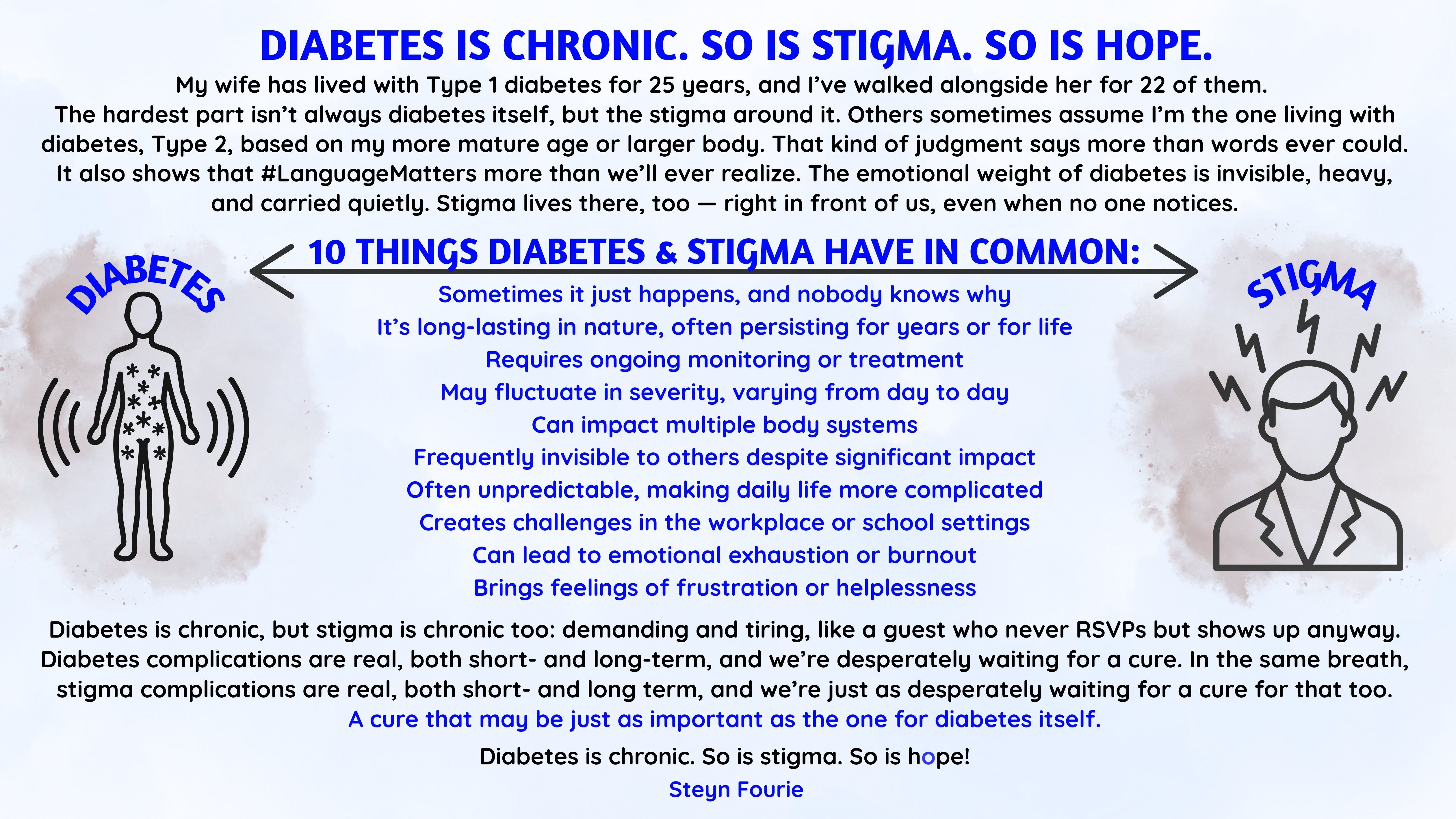
Diabetes Is Chronic. So Is Stigma. So Is Hope.
Steyn Fourie
Abstract
Creatively sharing my perspective on stigma and how it is a chronic condition in its own right.
Reducing Diabetes Stigma Through Meaningful Engagement and Social Participation: Pathways for Stronger, Fairer, People-Centred Policies
Mark Thomaz Ugliara Barone, Intersectoral Forum of NCCs/NCDs in Brazil
Co-authors:
Emma Klatman, Tinotenda Dzikiti, Sana Ajmal, Paul B. Madden
Context
Stigma and discrimination related to diabetes affect daily life and shape how people living with diabetes are included in decision making about their care and support. Traditional stigma reduction often relies on information campaigns, yet structural change rarely happens without meaningful engagement and genuine social participation. When people living with diabetes help to shape policies, programs, and communication strategies, systems become more transparent, inclusive, and better aligned with real needs. Respectful and neutral language remains an important tool because it supports dignity and reduces blame, but language alone cannot transform environments where participation is restricted or symbolic.
Opportunities
Deepening meaningful engagement can help shift power imbalances that reinforce stigma. This includes integrating lived experience into advisory bodies, technology assessment, and policy consultations, valuing contributions as expertise. Social participation spaces, whether national councils, community groups, or global platforms, offer opportunities to co-design solutions, broaden public understanding, and challenge stereotypes. When communication guidelines are developed with people directly affected, language can better reflect inclusion and respect. #LanguageMatters and #NothingAboutUsWithoutUs must go hand in hand.
Challenges
Despite increased attention, many participation initiatives fall short. Barriers include unequal access to decision-making spaces, limited support for contributors, and practices that invite presence without influence. Stigma can also be embedded in institutional routines, shaping how priorities are set and which voices are heard. Without sustained commitment, engagement risks becoming procedural rather than transformative.
Recommendations
1) Implementing the WHO Framework for Meaningful Engagement of People Living with NCDs, the Patients Included Charters, and the Global Patient Charter on Social Participation; 2) Embedding meaningful engagement across diabetes policy and program development; 3) Integrating respectful communication into organizational practice; 4) Monitoring and evaluating, with the participation of people living with diabetes, how changes in engagement and language influence stigma over time.
Meaningful Involvement of People with Lived Experience
All authors of this article are people living and working with diabetes. They contributed directly to framing the issues, identifying gaps, and shaping the recommendations summarized here. Their perspectives guided both the focus on participation and the understanding of how stigma is experienced in daily life, ensuring that proposed actions respond to real-world challenges.
When the Insulin Runs Out: Reflections on Diabetes Myths, Family Beliefs, and Rural Stigma
Elia Nnko, Clinician & Type 1 Diabetes Advocate
Background/Context
Growing up in rural Tanzania, Type 1 diabetes was poorly understood. My parents believed insulin would cure me once the prescribed vials were finished, reflecting widespread myths and misconceptions about the condition. These beliefs shaped my early experience, introducing fear, secrecy, and uncertainty into daily life.
Challenges
Navigating a life-long condition in an environment where diabetes is misunderstood posed multiple challenges. Family hopes clashed with medical reality, and community advice often reinforced stigma rather than support. I learned to hide injections and mask symptoms to protect both my dignity and my family from social judgment. Even well-intentioned caregivers and relatives inadvertently contributed to misinformation.
Recommendations
From my dual perspective as a person living with Type 1 diabetes and as a clinician, I emphasize the importance of:
Early, culturally sensitive education for families and communities to dispel myths
Open communication between healthcare providers and patients to address fears and misunderstandings
Peer support programs where lived experience informs education and advocacy initiatives
Reflections
These experiences highlighted that stigma often begins at home and within trusted networks. Addressing diabetes myths requires empathy, patience, and engagement with families as well as communities. By sharing my story and insights, I aim to provide a perspective that bridges personal experience and clinical understanding, emphasizing that compassion and knowledge are as vital as insulin itself in reducing stigma and supporting people living with diabetes.
Recognition and Worthiness: How Stigma Shapes Healthcare Inequity
Joanne Watson, Deakin University
Abstract
This paper argues that stigma in healthcare is not just prejudice but a structural failure of recognition, shaping who is seen as a person, who is deemed worthy, and who gets care. Drawing on Honneth’s Recognition Theory, I examine how misrecognition operates within health systems, influencing policy and practice and creating hierarchies of deservingness that ration healthcare resources.
Recognition Theory speaks to how individuals are categorised and whether they are acknowledged as members of groups deemed worthy of support. When recognition fails, people are positioned outside these categories, weakening their claims to care.
I write from two vantage points: as a speech pathologist and researcher working alongside people with intellectual and multiple disabilities, and as someone who has lived with diabetes for over three decades. Both groups, to varying degrees, experience stigma and misrecognition, where how they are categorised shapes their access to healthcare. Eligibility and resource allocation are often determined by categorical judgments rather than clinical need. These discrepancies can be further amplified by intersectional disadvantages such as culture, geography, socioeconomic status, and gender.
I argue for the relevance of conceptualising policy and practice with reference to Honneth’s theory of recognition and the urgent need to address misrecognition as a structural determinant of health. This call to action aligns with the End Diabetes Stigma movement, “encouraging initiatives, policies, and laws that promote equity,” not only for people with diabetes but as a model for ending stigma across all health systems.
Raising awareness to end diabetes stigma: a cross-sectional mixed-methods evaluation of Australian diabetes communication campaign videos among adults with and without diabetes
Elizabeth Holmes-Truscott, ACBRD, Diabetes Victoria and Deakin University
Co-authors:
Eloise Litterbach; Virginia Hagger; Renza Scibilia; Uffe Søholm; Timothy Skinner; Jane Speight
Aims
Diabetes stigma is pervasive and harmful, yet evidence for effective stigma-reduction interventions remains limited. In 2021, Diabetes Australia released brief campaign videos advocating an ‘end to blame and shame’. This study explores: a) whether campaign videos are associated with diabetes stigma experiences (among adults with diabetes), endorsement (among adults without diabetes), or awareness (both cohorts); and b) perceptions of campaign videos (both cohorts).
Methods
Adults with diabetes (n=846: 42% T1D; 58% T2D; recruited via the National Diabetes Services Scheme) and without diabetes (n=1,397; via the Online Research Unit) took part in an online, three-arm randomised controlled cross-sectional study (1:1:1). Participants viewed stigma-awareness videos (intervention), alternate campaign videos (active control), or no videos (passive control). After, they completed measures of diabetes stigma experience (DSAS-1 / DSAS-2), endorsement and awareness (study-specific items). Mixed-methods feedback for intervention videos was also collected. Descriptive statistics and between-group comparisons were calculated, separately by cohort. A subset (n=290) of intervention-arm participants provided brief qualitative feedback which were thematically analysed.
Results
Intervention-arm participants reported greater experience (T2D only) and awareness (T2D; without diabetes) of diabetes stigma relative to controls (all p<.001; small effects). Across arms, a minority (<16%) of those without diabetes endorsed stigmatising attitudes. Campaign videos were positively rated as eliciting empathy (≥75% across cohorts), and described as being of educational value, personal resonance, and important for awareness-raising. Critiques included a lack of actionable solutions, over-exaggeration of diabetes stigma, and elicitation of pity. Some without diabetes reflected on campaign alignment with current attitudes or past behaviours
Conclusion
Findings support the role of diabetes organisations and communication campaigns in raising awareness of diabetes stigma among people without diabetes, and call for greater consideration of actionable solutions and avoidance of unintended consequences. Real-world evaluations of future campaigns are recommended.
Advancing Stigma-Free Obesity Care: Integrating the 2025 American Diabetes Association (ADA) Standards of Care in Overweight and Obesity with Outcomes from the ADA Obesity Stigma Training Program
Sarah Bradley, American Diabetes Association
Background
Weight stigma and bias within health care settings are pervasive worldwide and negatively affect clinical interactions, treatment engagement, and health outcomes for individuals with obesity. Although health system structures vary globally, stigmatizing language, clinical environments, and provider behaviors represent barriers to obesity care across countries and cultures. The 2025 Standards of Care in Overweight and Obesity emphasize the urgent need for clinician training, inclusive environments, and person-centered communication to reduce weight bias. In the United States, the ADA implemented an Obesity Stigma Training program across primary care settings to operationalize these recommendations and provide a model for translating stigma-reduction guidance into routine clinical practice.
Objective
To characterize the 2025 Standards of Care recommendations related to reducing weight stigma and to evaluate how a structured Obesity Stigma Training program enhanced provider awareness, confidence, and clinical behaviors, while identifying implementation elements with relevance for global adaptation across diverse healthcare systems.
Methods
Standards of Care recommendations were synthesized across three domains relevant to global obesity care: clinician education, clinical environment, and patient-centered communication. These domains were mapped to findings from a qualitative evaluation of the ADA Obesity Stigma Training, based on in-depth interviews with healthcare professionals (n=17) from nine primary care sites. The Consolidated Framework for Implementation Research (CFIR) guided analysis to assess intervention acceptability, contextual fit, and real-world application, highlighting implementation factors applicable beyond a single national context.
Results
The Standards call for multicomponent strategies to address implicit and explicit weight bias, which were reinforced through the training. Participants reported that the program:
• Increased recognition of unconscious bias and reframed obesity as a chronic, multifactorial disease rather than a personal failing.
• Improved communication practices, including greater use of empathetic, person-first language and permission-based discussion about weight.
• Heightened awareness of environmental inclusivity, prompting low-cost, scalable changes such as appropriate gown sizes, blood pressure cuffs, waiting-room seating, and exam-room preparation.
• Enhanced provider confidence when discussing weight, FDA-approved treatment options, and patient goals.
• Led to immediate and sustained changes in clinical behavior, improving patient comfort, engagement and willingness to return for follow-up care.
Addressing Weight Stigma and Bias in the 2025 American Diabetes Association Standards of Care in Overweight and Obesity
Sarah Bradley, American Diabetes Association
Background
Weight bias and stigma are pervasive across healthcare settings and contribute to significant disparities in care for individuals living with obesity. The 2025 Standards of Care in Overweight and Obesity consolidate evidence demonstrating that both explicit and implicit weight bias negatively influence physical health, psychological well-being, healthcare engagement, and treatment outcomes. Addressing these systemic and interpersonal forms of stigma is critical to improving the quality and equity of obesity care.
Objective
To summarize and translate the 2025 Standards of Care recommendations related to reducing weight bias and stigma in health care through clinician training, inclusive environments, and person-centered communication.
Methods
The 2025 Standards were reviewed with emphasis on the section addressing weight stigma and bias. Recommendations were synthesized across three domains: (1) education and training, (2) clinical environment and practice accommodations, and (3) communication and shared decision-making. Evidence supporting these recommendations—including systematic reviews, randomized trials, and qualitative research—was integrated to highlight rationale and expected impact.
Results
The Standards recommend early, continuous, and multicomponent training for all clinicians and staff to address the multifactorial etiology of obesity and reduce implicit and explicit bias. Evidence supports training approaches that combine didactics, empathy-building, self-reflection, and skills-practice, showing improved attitudes, increased empathy, and enhanced confidence in obesity care. The guidelines also specify environmental modifications—such as appropriate equipment, privacy during anthropometric measurements, and accessible waiting areas—to reduce stigmatizing triggers and improve patient comfort. Communication recommendations emphasize person-first language, avoidance of pejorative terminology, asking permission to discuss weight, and engaging in shared decision-making that prioritizes individualized, goal-aligned care.
Conclusions
The 2025 Standards offer a comprehensive, evidence-based framework for reducing weight stigma in health care. Implementing these recommendations across training, environment, and communication practices has the potential to improve patient experience, enhance trust, and support more equitable and effective obesity management.
Community Mutual and Peer Support to Combat Diabetes Stigma: Perspectives of Women from DiabetesSisters
Edwin B Fisher
Co-authors:
Donna M Rice, Michele F Polz
Background / Aim(s)
Mutual and peer support (MPS) are important for diabetes self management support. DiabetesSisters has planned, developed, and evaluated MPS may address stigma in its community (diabetessisters.org).1
Methods
DiabetesSisters is a community of women with diabetes providing intentionally varied resources for MPS through chats, meet-ups, webinars, online postings, coordinated through diabetessisters.org. Formative evaluation examined how members viewed stigma regarding diabetes, especially for women. Implementation of MPS addressed stigma, and impacts from surveys of DiabetesSisters showed benefits in reduced stigma.
Results
Formative evaluation — Key themes of stigma experienced by women with diabetes included: • Fears about pregnancy, motherhood, and weight • Social discomfort disclosing diagnosis at work or in personal relationships, especially among younger women • Feelings of blame or shame related to diagnosis • Misconceptions about the causes and management of diabetes • Stigma linked to insulin use, device use, or diabetes-related complications.
Implementation included Meet-Ups (virtual as well as face-to-face) and topic-specific programming aimed at normalizing women’s experiences.
Implementation also included: • Safe Spaces — Webinars and Meet-Ups provide judgment-free forums where women share stories and strategies for navigating stigma. • Peer Narratives: Through articles and blogs, members discuss stigmatizing experiences and how they’ve confronted them. • Targeted Education: MPS reframing internalized stigma with strength-based messaging. • Focused Support: Dedicated opportunities for different ethnic groups and those with type 1, type 2, or gestational diabetes to ensure culturally relevant peer support where stigma may intersect with gender, race, and age.
Impacts: DiabetesSisters members report: • Increased confidence in discussing their diabetes with others • Reduced shame or embarrassment • Greater sense of community and reduced isolation • Reappraising negative societal messages about diabetes
Conclusion
DiabetesSisters has developed varied MPS features to address the ways in which women with diabetes experience stigma. Members of the community have recognized its value in these areas.
Description of how people with lived experience of diabetes are / have been meaningfully involved
In DiabetesSisters key chats, meet-ups and other activities center on sharing among women with diabetes and are developed with routine input from participants.
Stigma associated with Early-onset Type 2 Diabetes: a secondary qualitative analysis
Michelle Hadjiconstantinou, University of Leicester
Co-authors:
Jenny Hagan, Jane Speight, Melanie Davies
Background
Early-onset type 2 diabetes (EOT2D; diagnosed <40 years) is increasing globally. Although diabetes-related stigma has been investigated in people with type 1 diabetes and type 2 diabetes (T2D), it remains understudied among adults with EOT2D.
Aim
Our aim was to explore experiences of diabetes-related stigma from the perspectives of adults with EOT2D and their healthcare professionals (HCPs).
Methods
This is a secondary qualitative analysis, including semi-structured interviews conducted with 25 adults with EOT2D and 25 HCPs. Data were analysed using reflexive thematic analysis, and presented using a stigma framework. Public contributors reviewed participant-facing documents and the interview questions.
Results
Findings from both adults with EOT2D and HCPs highlight drivers, experiences, and consequences of stigma in EOT2D, in addition to potential mitigating strategies. The media, HCPs, and others perpetuate stigma, driven by attitudes of blame from misconceptions that T2D is self-inflicted. Adults with EOT2D experience judgement and harmful stereotypes, including ‘unhealthy’, ‘lazy’, and intersectional stigma of ‘fat’ and T2D being an ‘old-persons disease’. Reported psychological consequences of stigma included embarrassment, self-stigma, and shame, leading to behavioural consequences of non-disclosure and reluctance to seek help. Education, awareness, and non-judgemental communication were highlighted as potential strategies to minimise diabetes-related stigma and consequences.
Conclusion
Stigma is highly pervasive in the lives of young adults with EOT2D, and can cause harmful consequences. Given the increased risk of physiological and psychological complications in this population, efforts to reduce stigma in EOT2D should be prioritised to encourage better care in younger adults. This is of importance when considering equity in diabetes care.
Sweet Nothings: A grounded theory exploration of young adults living with type 2 diabetes navigating stigma within the context of interpersonal relationships in urban India
Sayli Jadhav, Independent Researcher
Co-authors:
Chitra Selvan, Tejal Lathia, Meet Shinde
Abstract
Research predicts that approximately 300 million people worldwide and 80 million in India would be living with Diabetes by 2026 with an increased number of young adults being diagnosed with Type 2 Diabetes (T2DM). Work on diabetes management highlights the facilitating role played by supportive human networks. Another trend emerging from psychosocial research on diabetes reveals persistent presence of experiences of stigma amongst people living with diabetes. Stigma researchers use quantitative tools to map the patterns of stigma and its emotional and psycho-social correlates; amongst which the impact on social relationships surfaces as most palpable. While research highlights the importance of high quality social relationships in managing diabetes; it also points towards the pervasive presence of stigma which could negatively impact these relationships. However, since quantitative methods merely demonstrate rather than explain associations and patterns, it becomes necessary for researchers to qualitatively explore the relational contexts of young adults living with T2DM in culturally situated ways.The current study aims to address this gap utilizing a grounded theory approach rooted in participant’s narratives of navigating their social relationships whilst living with T2DM. The participants of the ongoing study are 10 men and 10 women in the age range of 18-40 living with T2DM in urban India. The resultant grounded theory analysis seeks to espouse themes of relational manifestations of stigma in the psychosocial realities and support mechanisms of persons living with T2DM. Findings could help practitioners develop interventions that utilize patients’ relational contexts to promote better diabetes management and psychosocial wellbeing.
Diagnosing stigma: A grounded theory analysis of stigmatizing interactions embedded within doctor patient relationships / Health care ecosystem
Sayli Jadhav, Independent Researcher
Co-authors:
Meet Shinde, Chitra Selvan, Tejal Lathia
Abstract
Diabetes related research spanning the last decade shows how Indians exhibit a higher genetic predisposition for diabetes and develop the condition at much lower body mass index (BMI) levels. The IDF Atlas predictions say that prevalence of Diabetes Mellitus (DM) in South East Asia will increase by 36% (from 9.7% to 13.2%) by 2050. Additionally reports indicate a reduced age of onset leading to a higher prevalence in young adult populations living with Type 2 DM. While a growing understanding on effective management of T2DM advocates for a strong doctor-patient relationship, research on barriers to health outcomes, point towards a hidden obstacle disrupting this dynamic – stigma. An Indian study by Vaz et.al reports that Medical and Nursing students attach more stigma to DM than the patients themselves, linking it to the medical condition along with socio economic background and other intersections of marginalization. Despite both, the alarming rise in the prevalence of diabetes amongst Indians and the potential impact of stigma, there is a significant gap in research dedicated to understanding specificities of diabetes stigma within the Indian context. This lack of understanding creates a significant knowledge gap, hindering the development of targeted interventions that address the specific cultural and social nuances surrounding diabetes in India. The current study attempts to address this gap, by employing a qualitative approach combining aspects of narrative inquiry and grounded theory. It utilizes in-depth interviews exploring nuances of the lived experiences of stigma amongst 20 young adults with T2DM. By delving into their experiences of diagnosis and treatment within the medical eco-system, the paper theorizes the specific manifestations of diabetes stigma in the Indian context of the doctor-patient relationship. The emergent themes could be utilised for developing interventions targeted at fostering an empathic and collaborative medical alliance.
Building ConversationAIly™: An Educational and Point-of-Care Tool to Identify and Reduce Stigmatizing Language During In-Clinic Diabetes Conversations
Rajshri Mallabadi, SigmaMozak Solutions Pvt Ltd
Co-authors:
Shweta Sharma
Background
Stigmatizing language in diabetes care, such as blame-laden descriptions (“non-compliant,” “poor control”), weight-centered judgement, or directive, autonomy-limiting phrasing, negatively affects trust, engagement, and follow-up. Although global frameworks emphasize person-first, non-stigmatizing communication, routine clinical practice, and medical training rarely provide structured feedback to support behavior change.
Aims
This paper describes the development and early evaluation of ConversationAIly™, an AI-assisted tool designed to help clinicians and trainees recognize stigma-linked language patterns and adopt person-first, autonomy-supportive communication during simulated and supervised encounters.
Methods
ConversationAIly integrates Whisper-based speech transcription with a DistilBERT multi-label classifier trained on an annotated corpus of diabetes-care interactions. The model detects stigma constructs including moral judgement, negative framing, directive tone, and weight-based bias. Outputs include (i) identification of stigmatizing terms, (ii) discourse-level features such as question type and autonomy-supportiveness, and (iii) structured post-encounter feedback aligned with behavior-science frameworks (COM-B). Lexicons, annotation rubrics, and feedback categories were co-developed with clinicians and people with lived experience of diabetes. Preliminary testing included simulated consultations with clinicians and final-year medical trainees, as well as observational proof-of-concept studies in real-world outpatient settings.
Results
Across five proof-of-concept studies (N=125), patient-reported experience measures indicated high acceptability of person-first communication: 86% appreciated the language used, 93% reported willingness to continue their care journey, and 80% expressed satisfaction with consultation quality. Engagement indicators suggested better follow-up (76%), perceived treatment adherence (43%), and timely intensification (50%), though these findings were observational and not designed to infer causality. In a resident training cohort (n=20), the tool supported recognition of habitual stigma-linked phrasing and improved the consistency of faculty feedback. Deployment across programs training ~8,000 learners is informing iterative refinement of the educational framework.
Conclusion
Early findings support the feasibility and educational value of ConversationAIly™ as a structured tool for teaching and reinforcing person-first, non-stigmatizing communication in diabetes care.
Type 1 diabetes (T1D) requires continuous self-management behaviors, including frequent glucose monitoring and insulin administration. Stigma related to T1D—experienced, perceived, and anticipated—may hinder disease disclosure, limit self-management in public settings, and reduce social participation. However, the mechanisms through which stigma influences health management, well-being, and work performance have not been comprehensively examined in Japanese adults with T1D. We conducted a series of analyses using the Type 1 Diabetes Stigma Assessment Scale (DSAS-1) to clarify psychosocial pathways linking stigma to daily functioning.
Methods
Japanese adults with T1D attending three hospitals completed questionnaires assessing stigma (DSAS-1), patient activation (PAM-13), self-esteem (Rosenberg), general self-efficacy, depressive symptoms (PHQ-9), diabetes distress (PAID-5), subjective happiness, well-being (WHO-5), and work performance (WHO-HPQ). Clinical variables (age, duration of diabetes, HbA1c, therapy) were extracted from medical records. Structural equation modeling (Analysis 1) examined pathways from stigma to patient activation. Multiple regression analyses (Analysis 2) evaluated determinants of subjective happiness and well-being. WHO-HPQ scores were used to assess work performance and presenteeism (Analysis 3).
Results
We analyzed data from 269 adults with T1D (32% male; age 45 ± 12 years; diabetes duration 25 ± 13 years; insulin pump use 15%). Across analyses, stigma was positively correlated with diabetes distress, depressive symptoms, and loneliness, and negatively correlated with self-esteem, self-efficacy, happiness, and well-being. In Analysis 1, stigma did not directly reduce patient activation but exerted indirect effects through lower self-esteem and self-efficacy and higher depressive symptoms. In Analysis 2, subjective happiness and well-being were lower among individuals with greater loneliness and depressive symptoms and higher among those with stronger self-efficacy and self-esteem. In Analysis 3, absolute and relative presenteeism were comparable to national norms and unrelated to stigma; however, higher diabetes distress and elevated HbA1c were associated with lower work performance.
Conclusion
Among Japanese adults with T1D, stigma affects self-management engagement and well-being primarily through psychosocial mediators rather than direct effects. Many individuals struggle to balance work demands with glucose management, highlighting the need for more supportive and flexible workplace environments. Interventions targeting self-efficacy, self-esteem, loneliness, depressive symptoms, and diabetes distress could help prevent the internalization of stigma and support optimal health and work performance.
Exploring the Phenomenon of Shame for People with Lived Experience of Homelessness and Diabetes
Matthew Larsen, University of Calgary
Co-authors:
David Campbell
Background
People with lived experience of homelessness and diabetes (PWLEHD) often experience intense feelings of shame due to their stigmatized conditions. Even though shame can cause numerous and significant adverse effects, no study has been done that specifically explores how or why PWLEHD feel and experience shame.
Objectives
The aim of our study was to understand the essence of the phenomenon of shame through exploring the experiences of PWLEHD.
Methods
We undertook a hermeneutic phenomenological study that involved 7 PWLEHD who were interviewed three separate times. Participants were questioned about their feelings of shame in regard to homelessness and diabetes. Interviews were transcribed verbatim and transcripts were analyzed using Interpretive Phenomenological Analysis. We also involved 5 community co-researchers from the Calgary Diabetes Advocacy Committee (CDAC), who participated in interview guide development, data gathering, and analysis.
Results
We found 4 main themes related to shame experienced by PWLEHD: shame in being vulnerable; shame in having to rely on inadequate support systems; shame in being isolated and lonely; and shame in experiencing profound and/or unexpected loss. Feelings of constrained agency permeated all 4 primary themes and was deemed to be the primary or essential element of shame for this population (Figure 1).
Conclusion
At a system level, any measures implemented that increase the agency of PWLEHD have the potential to reduce their shame. In addition, forming empathetic connections (especially with individuals with similar lived experience) can greatly mitigate the negative impact of shame for PWLEHD.
Diabetes-related stigma is an important, often overlooked, social consequence of living with Type 2 Diabetes (T2D), with up to 70% of adults with T2D reporting experienced or perceived diabetes stigma. This refers to feelings or experiences of discrimination, negative attitudes, judgement or differential treatment, due to living with T2D. Despite growing recognition of diabetes-related stigma, previous systematic reviews have not integrated qualitative and quantitative evidence to comprehensively explore its impact on individuals living with T2D.
Aim
To explore the lived experiences of diabetes-related stigma in adults living with T2D, and its impact on clinical, behavioural, and psychological outcomes. Where available, evidence on stigma in the young population living with T2D (<40 years) will also be considered in comparison with older age groups.
Methods
MEDLINE, PsycINFO, CINAHL, the Cochrane Library and Scopus were searched from inception to August 2025 to identify eligible qualitative, quantitative and mixed-method studies on diabetes-related stigma in adults living with T2D. Two reviewers have independently screened studies and will appraise study quality.
Quantitative and qualitative synthesis will initially be conducted separately. Meta-analysis and subgroup analyses by geography, age, sex, ethnicity, and socioeconomic status will be performed where quantitative data allow. Thematic synthesis will be conducted to synthesise findings from qualitative studies. Where appropriate, qualitative and quantitative findings will be integrated to ascertain whether the findings support, contradict or add to each other.
Results
A total of 5,941 studies were identified from the database searches. Following title and abstract screening, 336 studies were sought for retrieval. Full text screening is nearly complete, with data extraction, quality appraisal and synthesis due to be complete January 2026.
Conclusion
These findings are expected to contribute meaningfully to research on diabetes stigma and support the development of evidence-based approaches and strategies to reduce T2D-related stigma.
Exploring the Relationship Between Diabetes Stigma and Eating Problems among Adults With Type 1 and Type 2 Diabetes
Laura Klinker, Research Institute Diabetes Academy Mergentheim
Co-authors:
Andreas Schmitt; Eloise Litterbach; Elizabeth Holmes-Truscott; Jane Speight; Gina Lehmann; Dominic Ehrmann; Bernhard Kulzer; Norbert Hermanns
Background
Eating patterns play a central role in glucose management across all types of diabetes and are often a focus of scrutiny. Qualitative research suggests eating patterns are a common marker of diabetes stigma. This study investigated the associations between diabetes stigma and unhealthy eating patterns among adults with type 1 (T1D) and type 2 diabetes (T2D).
Methods
In the PRO-Mental Study, adults with T1D and T2D recruited in secondary and tertiary healthcare centres in Germany completed an online survey, assessing diabetes-related eating problems via the Diabetes Eating Problem Survey-Revised (DEPS-R) developed for people with T1D and the general DEPS-10, and diabetes stigma (Diabetes Stigma Assessment Scales-1/-2: DSAS-1/-2), higher scores indicating more stigma and more eating problems. Blockwise linear regression was conducted by diabetes type, with DEPS-R(T1D)/DEPS-10(T2D) as dependent variable and all DSAS-1/-2 subscales as independent variables, adjusting for: sex, age, BMI, diabetes duration, GLP-1-medication.
Results
Of the 808 participants: 402 had T1D (♀53%, ♂47%, other 0.2%; mean+SD age 48±16years; diabetes duration 24±14years; DSAS-1 total: 37±14, DEPS-R: 11±9) and 391 had T2D (♀44%, ♂56%; age 63±11years; diabetes duration 15±10years; DSAS-2 total: 32±14, DEPS-10: 9±6). Among adults with T2D, higher DEPS-10 scores were most strongly associated with the DSAS subscales blame and judgement (ß=.27, p<.001) and self-stigma (ß=.21, p<.001), accounting for 17% explained variance beyond the significant contribution of higher BMI, younger age and GLP-1-medication. Among adults with T1D, higher DEPS-R scores were most strongly associated with blame and judgement (ß=.31, p<.001) and identity concerns (ß=.17, p=.002), explaining 14% additional variance to demographic factors.
Conclusion
This study shows significant associations between diabetes stigma and unhealthy eating patterns, particularly for the experience of blame/shame and internalisation of diabetes stigma (self-stigma and identity threat). Further research is needed to clarify causality, i.e. whether diabetes stigma contributes to unhealthy eating patterns or vice versa.
Expressive Art Therapy as a Scalable, Stigma-Reducing Intervention for Diabetes Distress
Firdous Shaikh, Jyoti and FRS Diabetes and Obesity Research Clinic
Co-authors:
Kamran Khan; Riddhi Modi; Deeksha Dev
Background and Aims
Diabetes-related distress encompasses the emotional and psychological challenges of living with diabetes, often compounded by stigma, isolation, and societal misperceptions. While clinical attention has traditionally focused on glycemic outcomes, the psychosocial burden—particularly stigma—remains inadequately addressed in routine care. Expressive art therapy, utilizing creative modalities such as painting, journaling, movement, storytelling, and music, offers a person-centered, non-judgmental approach to emotional wellness. This pilot study evaluated the impact of a multimodal expressive art therapy program on diabetes distress among individuals living with type 1 and type 2 diabetes, with particular emphasis on stigma reduction and global scalability.
Materials and Methods
This prospective, cross-sectional observational pilot enrolled 30 adults (aged 18–65 years) living with diabetes for >12 months, recruited from private diabetes clinics in Mumbai and Bihar. Two peer advocates living with type 1 diabetes co-facilitated the program, providing lived-experience perspectives that enriched participant engagement and created a safe, empowering environment. Diabetes distress was measured using the validated modified Diabetes Distress Scale (mDDS-20), published in the International Journal of Current Pharmaceutical Review and Research (Vol 17, Issue 10, Article 128). Participants independently engaged in ≥4 creative sessions weekly over 4 weeks, with optional weekend group support. Activities included emotion-themed painting, reflective journaling, culturally rooted dance/movement, narrative storytelling, and simple music-making—all self-paced and adaptable to diverse cultural contexts.
Results
Twenty-five participants (83.3%) completed the intervention. Mean mDDS-20 scores decreased significantly from 79.6±8.7 to 51.4±9.9 (35.4% reduction; p<0.001). Domains most improved: emotional burden (42%), social isolation (39%), and fear-related distress (30–34%). Qualitative feedback revealed that 89% felt “emotionally lighter,” 76% showed enhanced motivation for self-care, and 68% experienced improved diabetes-related communication. Peer advocates’ contributions were instrumental in fostering trust, normalizing experiences, and dismantling internalized stigma.
Conclusion
Expressive art therapy represents a low-cost, culturally adaptable, and stigma-reducing intervention with strong potential for global scalability. The integration of peer advocates living with diabetes enriches program effectiveness and authenticity. Further randomized controlled trials with diverse populations are warranted.
Diabetes Stigma and Its Associations with General and Diabetes-Specific Wellbeing: Moderating Roles of Psychosocial Factors
Sarah Manallack, Deakin University, School of Psychology
Co-authors:
Jane Speight; Deborah Turnbull; Francois Pouwer; Elizabeth Holmes-Truscott
Background
Adults with type 2 diabetes (T2D) report both diabetes and weight stigmas, however limited research explores differences in such stigma among subpopulations of adults with T2D, such as by age and/or gender.
Aim
To examine whether age and/or gender are independently associated with diabetes and/or weight stigmas among adults with T2D in Australia.
Method
Data were from the cross-sectional online Diabetes MILES-2 survey. Eligible participants (mainly recruited via NDSS) self-reported T2D. Validated measures assessed experienced and internalised diabetes stigma (DSAS-2 total score, subscales: blame and judgment; treated differently; self-stigma), and internalised weight stigma (WSSQ total score, subscales: fear of enacted stigma; self-devaluation). Across scales, higher scores indicate greater experience. (Un)Adjusted linear regression tested cross-sectional associations (confounders: BMI, diabetes-related complications, diabetes duration).
Age and gender together explained between 6-13% of the variance in DSAS-2 and WSSQ total and subscale scores (excluding WSSQ self-devaluation subscale). Across models, age was a stronger predictor than male gender (β<-0.32 vs β<-0.18). DSAS-2 scores were significantly lower for older participants (total, all subscales) and for men (total, blame and judgment subscale only); WSSQ scores were also significantly lower for older participants and men (total, fear of enacted stigma subscale only); range β=-0.1–β=-0.3. Observed independent associations were retained after adjusting for confounders, while higher BMI became the strongest predictor of higher WSSQ total and subscale scores (range β=+0.1–β=+0.3).
Conclusion
Results suggest differential experiences of diabetes and weight stigmas among adults with T2D; whereby younger adults and women more often reported such stigmas. This may suggest greater unmet needs relevant to their experiences. Qualitative exploration is needed to better understand lived experiences of subpopulations living with T2D.
Involvement of People With Lived Experience of Diabetes:
Item development for the DSAS-2 measure was informed by interviews with people with lived experience of type 2 diabetes. The DSAS-2 scale reduction and psychometric validation were informed via online surveys completed by people with lived experience of type 2 diabetes. For the Diabetes MILES survey, people with lived experience of type 1 and type 2 diabetes were asked what they wanted to see in a large-scale survey about living with diabetes in Australia. The survey was piloted among people with lived experience of type 1 and type 2 diabetes. Feedback was sought via interview, and survey adjustments made. While the Diabetes MILES data and the DSAS-2 development were informed by people with lived experience of diabetes, this study’s secondary analysis did not meaningfully involve people with lived experience of type 2 diabetes. We acknowledge this as a limitation of this study.
Diabetes Stigma and Its Associations with General and Diabetes-Specific Wellbeing: Moderating Roles of Psychosocial Factors
Siobhan Power, University College Dublin
Co-authors:
Elizabeth Holmes-Truscott; Patrick Divilly; Francois Pouwer; Sonya Deschênes
Aims
To examine the associations between diabetes stigma on general and diabetes-specific wellbeing, and to explore the moderating role of buffering and exacerbating psychosocial factors.
Methods
A cross-sectional survey was conducted with (n=289) adults living with Type 1 (T1D;n=117) and type 2 diabetes (T2D; n=189). More than half of the participants were female (n=157, 54%) and the mean age was 51 years (Range=18-86). Baseline characteristics were collected with validated questionnaires, including: Diabetes Stigma Assessment Scale 1 and 2; Patient Health Questionnaire-8; Generalized Anxiety Disorder-7; WHO5 Wellbeing Index, Adult Resilience Measure; Brief COPE, and Composite Weight Stigma Measure. Moderation analyses were performed using Process in SPSS, adjusting for age, gender, BMI, and education.
Results
Pearson correlations revealed that diabetes stigma was significantly associated with poorer mental health (depression, anxiety) and greater diabetes-specific psychological distress (i.e., diabetes distress) in both T1D and T2D. Moderation analyses revealed that resilience weakened the association between stigma and anxiety in T1D (p<. 05,β=-.008). In T2D, weight stigma strengthened the association between diabetes stigma and depression (p<. 05,β =.036), and avoidant coping strengthened the association between diabetes stigma and anxiety (p<. 05,β =.009). Avoidant coping weakened the link between diabetes stigma and wellbeing in T1D (p<.05,β =.130), suggesting a potential protective effect under certain conditions.
Conclusion
These findings highlight the complex interplay between diabetes stigma, psychosocial factors, and mental health outcomes. Potential areas for intervention may include approaches that not only reduce stigma but also enhance resilience, while addressing weight stigma and avoidant coping.
Psychometric Validation of the Indonesian Version of the Type 2 Diabetes Stigma Assessment Scale and Its Correlates with Glycated Hemoglobin, Depression, and Fatigue
Debby Syahru Romadlon, Chulalongkorn University
Co-authors:
Rudy Kurniawan; Safiruddin Al Baqi; Mario Pratama
Background and Aims
Stigma related to type 2 diabetes is a key psychosocial barrier that undermines self-management and worsens health outcomes. However, culturally validated stigma measures remain scarce in many non-Western contexts. This study aimed to culturally adapt and psychometrically evaluate the Indonesian Version of the Type 2 Diabetes Stigma Assessment Scale (I-DSAS-2) for adults with type 2 diabetes in Indonesia and to examine its relationships with A1C, fatigue, and depressive symptoms.
Methods
A cross-sectional psychometric and correlational study was conducted with 190 adults attending outpatient clinics. The DSAS-2 was translated and culturally adapted using standardized procedures. Psychometric testing included exploratory factor analysis, internal consistency (Cronbach’s alpha), and test–retest reliability (intraclass correlation coefficient, ICC). Clinical outcomes were assessed using A1C, the Indonesian Multidimensional Fatigue Inventory (IMFI-20), and the Beck Depression Inventory–II (BDI-II). Associations between stigma and clinical variables were examined with Pearson correlations and multiple linear regression, controlling for age, sex, diabetes duration, and comorbidities.
Results
The I-DSAS-2 demonstrated strong psychometric properties, yielding a three-factor structure (treated differently, blame and judgment, and self-stigma), high internal consistency, and strong test–retest reliability (Table 1). Higher stigma scores were significantly associated with poorer glycemic control (higher A1C), greater fatigue, and more severe depressive symptoms. In adjusted models, stigma remained an independent predictor of all three outcomes, with the strongest association observed for depression (Table 2).
Conclusion
The I-DSAS-2 is a valid, reliable, and culturally relevant instrument for assessing diabetes-related stigma in Indonesian adults and underscores its multidimensional nature and strong links with key clinical outcomes.
Negotiating Identity Conflict Through Football: Experiences of People Living with Type 1 Diabetes
Chris Bright, University of Worcester
Co-authors:
Győző Molnar
Abstract
Diabetes has become a condition which is acknowledged for its global impact on healthcare and society. However, much of sport research has followed a physiology- focus that has increased awareness of the condition’s effect on the body with a limited understanding around its socio-cultural consequences. This chapter fills this gap by exploring the identity conflict that footballers with Type 1 Diabetes (T1D) experience. Six male T1D football players were recruited and interviewed. Data were captured utilising a netnographic approach. The data were then put to a narrative thematic analysis. Participants demonstrated that athletic identity and elitism in sport adversely impacts their identification with T1D. The data also revealed that the social-relational model of disability’s connection with identity is the closest replication of identity negotiation between disability, T1D and participants. Stigma surrounding T1D was shown to have a significant impact on reducing identification with the condition, which was also linked to behaviour that negated medical advice and adherence to it. The Neo-Tribe concept offers an explanatory framework as to how identity conflict was negotiated through the temporary identification with T1D and the positive lever of football, driving an increased uptake in peer support and subsequent medical adherence.
Physical Activity Experiences of People with Type 1 Diabetes across the Life Course
Emma Richardson, University of Worcester
Co-authors:
Christopher Bright; Daniel Farrow; Hilary Nathan
Abstract
People living with Type 1 Diabetes (T1D) encounter complex and often marginalised relationships with physical activity (PA) across the life course. Drawing on qualitative responses from 311 participants aged 3–75 years in the United Kingdom (UK), this study explored how stigma, internalised ableism, and sociocultural narratives shaped PA experiences for people with T1D. Using reflexive thematic analysis, we examined age-based case studies to understand how PA becomes meaningful—and, at times, fraught—at different life stages. Findings reveal that stigma is not episodic but accumulative. From childhood, participants faced ableist assumptions, exclusionary practices in schools and sports clubs, and misunderstandings from educators and peers about T1D management. These early interactions fostered shame, hypervigilance, and identity negotiations around visibility of devices such as insulin pumps and continuous glucose monitors. In adolescence and young adulthood, the desire to “feel normal” intersected with stigma related to body image, public glucose monitoring, and misconceptions about dietary needs. For many, these experiences contributed to internalised ableism and, in some cases, disordered eating or avoidance of PA environments. Across adulthood, participants described persistent stereotyping, intrusive commentary, and social policing of their self-management practices. By midlife and older age, decades of stigma contributed to “comment burnout,” emotional exhaustion, and reduced motivation to engage in PA despite strong health incentives. The interplay of changing physiology, technological expectations, and ongoing scrutiny reinforced feelings of inadequacy and burden, underscoring how ableist norms and neoliberal health discourses shape PA participation. This study highlights a critical need for disability-inclusive approaches to PA that go beyond biomedical guidance. We call for structural, policy, and cultural change that challenges ableist assumptions, improves practitioner training, and centres lived experience. Supporting equitable PA across the life course requires acknowledging stigma not as an individual challenge but as a systemic.
Experience of type 2 diabetes stigma in healthcare settings: A systematic review of qualitative studies
Emmanuel Ekpor, Deakin University
Co-authors:
Sarah Manallack; Matthew Garza; Jane Speight; Elizabeth Holmes-Truscott
Background/Aims
The international consensus on diabetes stigma highlights the urgent need to address stigma in healthcare. This systematic review synthesised qualitative evidence to provide comprehensive, context-specific insights into how type 2 diabetes (T2D) stigma operates in healthcare settings, with the future goal of informing stigma-reduction interventions and guidance.
Methods
We performed a systematic search on PubMed, CINAHL, and PsycINFO (from inception to April 2025), supplemented by forward/backward citation tracking. Studies were included if they reported qualitative data on T2D stigma within healthcare settings, from the perspectives of people with T2D and/or healthcare professionals (HCPs). Data were analysed thematically using a hybrid deductive–inductive coding approach. Deductive coding was guided by the Health Stigma and Discrimination Framework (HSDF), examining four key domains of stigma: manifestations, drivers/facilitators, markers, and impacts.
Findings
We identified 46 eligible articles (k=7 including HCPs only, k=28 people with T2D only, and k=11 mixed sample; N=1,972; 26 countries). All HSDF domains were evident. Individuals with T2D perceived, experienced, anticipated, and internalised T2D stigma, perpetuated through HCPs’ communication, attitudes, and practices. T2D stigma was driven by stereotypes, authoritarianism, and lack of knowledge; and facilitated by overly simplistic models of care and healthcare-related media misrepresentation. Impacts spanned psychological well-being, health-seeking behaviours, quality of care, and interpersonal relationships with HCPs. People with T2D called for HCPs and system-level reforms to foster stigma-free T2D healthcare.
Conclusion
These findings strengthen understanding of T2D stigma in healthcare, showing how pervasive it is, with significant consequences for people with T2D. They reveal actionable drivers and facilitators, which can be used to develop targeted interventions and guidance towards stigma-free T2D care.
Type one diabetes is a chronic condition characterized by the inability of the pancreas not to produce insulin due to the autoimmune destruction of the beta cells in the pancreas. It is often diagnosed in kids and young adults.
Objective/Purpose
The main purpose of this paper is to bring an overview of the life of a Type one diabetes champion in managing this condition. It also sights the major challenges experienced by the diabetes champion during their lifetime with diabetes.
Method
This research was carried out through physical engagement with the diabetes champions where they shared their stories outlining the major setbacks during they face. Questionnaires too were administered to them where I got their sentiments.
Body
Living with Type one diabetes in a low-income country like Kenya has proven to be a very hectic and cumbersome task especially in the proper management of the condition. Many young adults are perishing due to the horrors of diabetes complications such as DKA, diabetic wounds, dialysis and depression due to amputations and the rough economic times. The inadequate amount of insulin in Kenya has posed a major problem among diabetes patients where due to the inability to afford the insulin, many end up dying and developing diabetes complications.
The paper also highlights the challenge of insulin storage, where many patients lack refrigerators where they can safely store their insulin. Thus, as a result of due to poor storage, many patients end up using ‘faulty insulin’ due to loss of potency hence death. Accessing diabetes glucometers and glucostrips is another setback since they are extremely expensive and many of the lack in the Third world market. The text also sights the social problems faced by kids and young adults in managing this condition. Due to insufficient diabetes education and awareness in Kenya, many kids and young adults face a lot of stigmatization due to discrimination both in schools and public places. This has culminated and has brought huge concerns about diabetes and relationships. Many young adults with diabetes suffer due mental stress as a result of issues brought about by diabetes in finding a partner to have a relationship with.
Conclusion
Living with Type one diabetes in Kenya is evident that it is cumbersome though by having access to insulin and diabetes products such as glucometers and test strips, proper management can be achieved and hence increase the quality of life among diabetes patients.
“Support, Don’t Blame”: Co-design and evaluate a pilot social media campaign to tackle type 2 diabetes stigma in the UK
Zhaozhang Sun, University of Birmingham
Co-authors:
Gezim Alpion, Kamini Shah, Sheila Greenfield, Hannah, Greer, Marco Bardus
Background
Stigma associated with type 2 diabetes (T2D) harms emotional wellbeing, self-management and engagement with care, particularly among people already disadvantaged by racism, poverty or gendered expectations. Public communication still often presents T2D as the result of poor individual choices. This project presents the co-design, implementation and early evaluation of “Support, Don’t Blame”, a social media campaign developed to promote more compassionate, stigma-reducing narratives about T2D.
Methods
In May 2025, six participatory online workshops were held with 45 stakeholders in the United Kingdom, including people living with T2D, diabetes-related healthcare professionals and communication or marketing experts from health and diabetes organisations. Data from transcripts, chat and Mentimeter were analysed using reflexive thematic analysis to co-produce a campaign handbook. A follow-up online workshop in August 2025 validated and finalised the framework. The handbook was then shared with volunteer social media influencers, who produced campaign content under the agreed title “Support, Don’t Blame”. These materials were evaluated qualitatively through focus groups with people living with T2D and quantitatively through social media analytics.
Results
Co-design identified key principles for anti-stigma content, including acknowledging social and structural drivers of T2D, avoiding moralising language about weight and “control”, highlighting people’s efforts and inviting allies to offer support rather than judgement. Influencer-generated content following the handbook was perceived by focus group participants as more relatable and less blaming than typical health messaging, and achieved promising online engagement in pilot testing.
Conclusion
Partnering with people affected by T2D, health and communication professionals, and influencers can generate content that challenges blame, foregrounds support and remains feasible for campaign delivery. The “Support, Don’t Blame” handbook and campaign provide a transferable model for organisations seeking to address T2D stigma through strategic use of social media.
Living with type 1
P Hari Chandran
I am Hari Chandran, a cricket enthusiast who turned my passion into a profession despite battling physical and financial hardships.
At the age of 8, I was struck by polio, which left me immobile and bedridden for nearly two years. With limited resources, my family struggled, but I was determined to fight back. After undergoing surgery on my hands and legs, I gradually regained mobility. Though my dream of pursuing higher education was out of reach due to our financial condition, my love for cricket burned brightly.
Driven by this passion, I sought out cricket associations for differently-abled individuals and became a player. For three consecutive years, I proudly represented the Tamil Nadu state cricket team for the physically challenged. However, my journey was cut short when my body could no longer withstand the physical strain. During one match, I experienced a severe blackout and was rushed to the hospital, where I was diagnosed with Type 1 diabetes, with my blood glucose level soaring to 900 mg/dl.
I was diagnosed with Type 1 diabetes at the age of 23. Managing diabetes was especially difficult due to the weakness in my hands caused by polio. Since my illiterate mother couldn’t administer insulin, my maternal aunt stepped in to help with the injections. Even then, my sugar levels remained high, and my HbA1c reached 16%. In search of better management options, I browsed the Internet and discovered the Tamil Nadu Type 1 Foundation. They introduced me to the Idhayam Charitable Trust in Coimbatore, which provided me with a free insulin pump, significantly improving my condition.
Though my cricketing career as a player came to a halt, my unwavering spirit caught the attention of the association. Recognizing my dedication, they offered me the role of team manager for the Indian cricket team for the physically challenged. This opportunity allowed me to continue contributing to the sport I loved.
To support my family, I work as a vegetable seller in the market, but my cricket commitments limit me to working only three days a week. Managing diabetes with an irregular income was a major challenge, as I often missed insulin doses due to a lack of money, which worsened my health. However, with proper diabetes education and support from Dr. Mohan’s hospital, I learned to manage my condition effectively.
Today, I travel nationally and internationally with the team, winning matches against various countries. The journey has been filled with hurdles, but my love for cricket and relentless determination have helped me achieve my dreams. I am deeply grateful to everyone who supported me in conquering my challenges and enabling me to live my passion.
Surviving Stigma, Discrimination, and the Weight of Diabetes (1982–2025) Author: Salih Hendricks | South Africa
Salih Hendricks, Dedoc
This narrative explores a 43-year journey of living with diabetes and its complications, highlighting the profound impact of stigma and discrimination on physical health, mental wellbeing, and social identity. My story begins in 1982 with a diagnosis of Diabetes Insipidus, a rare condition that shaped much of my early experiences of misunderstanding and judgment. By age 25, vision-threatening complications led to laser treatments that saved my sight but reinforced the isolating emotional burden of chronic illness. Over the years, I faced kidney complications, artery disease, lens replacements, and a major amputation in 2020, followed by a stroke in 2024. Each complication deepened the stigma projected onto me by society, healthcare systems, and the workplace.
The greatest harm I experienced did not come from diabetes itself, but from the stigma that framed my complications as personal failure. This stigma ultimately led to losing my job, reinforcing how discrimination continues to shape the lives of people living with chronic illness and disability. Through these experiences, I learned that stigma can disable a person more severely than any medical condition.
However, this story is also one of transformation. I broke the silence by sharing my lived experiences publicly, turning decades of hurt, pain, and tears into purpose. Through storytelling, advocacy, and community engagement, I reclaimed my identity and used my journey to challenge societal misconceptions about diabetes. My story illustrates how acknowledging the humanity behind chronic illness can reshape public perception and drive meaningful change.
This abstract offers lived-experience insight into the emotional, cultural, and structural dimensions of diabetes stigma, emphasizing the urgent need for global action to create environments where individuals with chronic conditions are understood, supported, and valued.
The Words That Shaped My Fate: How Stigmatizing Language from a Doctor Led to Two Decades of Self-Sabotage and Rebellion
Heather Jacobs
Words are powerful, especially when spoken by healthcare providers. Labels like “diabetic,” “uncontrolled,” or “brittle” are not only unhelpful — they can be exceedingly harmful.
At age eight, I awoke from a coma to be told I had “brittle juvenile-onset diabetes” and would not live past forty. Blindness, amputation, and dialysis were presented as inevitable. That message became my expiration date.
I resented being called “brittle.” My identity was rooted in being tough. Yet the dire prognosis left me hopeless. By adolescence, I sought control by setting a goal to be dead by thirty. For more than two decades, I sabotaged my health, convinced my fate was sealed. Appointments only reinforced this cycle: I was scolded for being “non-compliant” and threatened with complications. No one asked why I disregarded care—that I had no hope for anything beyond an abbreviated, miserable life.
Through therapy, I unpacked decades of stigma and learned to forgive the practitioners who lacked awareness of the power of their words. My journey revealed a critical truth: language shapes identity, behavior, and resilience. Fear tactics and judgment-laden terms reduce humans to conditions. Person-centered language fosters empowerment, connection, and hope.
We are humans first. Emotional wellbeing is as vital as physical health. Words can wound, but they can also heal. By choosing language that respects lived experience, healthcare providers can dismantle stigma and inspire action.
The Wins No One Sees
Anita Sabidi, DIID
Diabetes Complications Stigma, storytelling in a poem form.
Diabetes Action Month unites New Zealanders to take action on our fastest-growing, least understood health condition through education, advocacy, and community awareness to reduce stigma
Heather Verry, Diabetes New Zealand
Co-authors:
Jo Chapman
Background
Since 2015, Diabetes New Zealand has held Diabetes Action Month annually to raise awareness and educate the public. Each campaign amplifies the voices of people living with diabetes. In 2018, stigma became a key focus through the first Diabetes NZ Stigma Survey, exploring its impact across family, school, work, and social life.
Method
The 2018 campaign, Act Now To Live Well, highlighted the social cost of diabetes. Diabetes NZ partnered with the Australian Centre for Behavioural Research in Diabetes to adapt validated questionnaires and added demographic questions. The survey, distributed online via eDM, captured experiences from 824 respondents with type 1 and type 2 diabetes. Findings informed campaign messaging and future campaigns.
Outcomes
The stigma survey provided valuable insight into the emotional burden of diabetes, resonating with the community and media. Interest was high, as diabetes stigma had been little known until then. Key findings included:
39% said they avoided telling people they have diabetes, to avoid negative reactions.
66% with type 1 diabetes said people make unfair assumptions about what they can or cannot do because of their diabetes.
68% with type 1 diabetes and 40% with type 2 reported being judged for their food choices
60% with type 1 diabetes said others blame them and think it is a result of eating too much sugar.
The 2018 campaign generated 218 media items and reached over 300,000 individuals.
In 2020, Love Don’t Judge raised awareness of diabetes distress and its emotional and mental health impacts, reaching millions of New Zealanders through multiple platforms.
In 2024, Don’t Sugar Coat Diabetes, aimed to dispel myths, reduce stigma, and encourage Kiwis to understand and check their risk of type 2 diabetes.
Community involvement remains central, with people with lived experience sharing stories, appearing in videos, and engaging with media.
Breaking the Gendered Stigma: Transforming the Lives of Rural Girls with Type 1 Diabetes in India
Kamlesh Chitte, UDAAN for Children with Diabetes, Maharashtra
Background / Aim
For a rural girl in India, a Type 1 Diabetes (T1D) diagnosis is not only a medical condition — it becomes a lifelong social restriction. She is labelled “weak,” confined at home, removed from sports, protected from friendships, and quietly judged as “unfit” for marriage, work, or motherhood. Stigma shapes every decision others make about her body and her future.
This initiative aimed to confront this deeply gendered stigma and document the long-term impact of community-based support on rural girls’ education, mobility, identity, and life outcomes.
Methods
Across 25 years, over 1500+ rural girls with T1D participated in layered stigma-reduction activities within UDAAN’s peer-support environment, a safe space that allowed girls to be seen, heard, and believed.
Interventions targeted the exact points where stigma is enforced:
School: preventing exclusion from sports, exams, and leadership opportunities.
Family: challenging beliefs that girls with diabetes are “burdens” or “damaged goods.”
Marriage: addressing secrecy, rejection, and the pressure to hide diagnosis.
Pregnancy: undoing myths of danger and infertility.
Livelihood: building independence to counter narratives of dependency.
Role models, peer circles, and community sensitisation formed the emotional backbone of the program.
Outcomes
The initiative produced measurable shifts:
>90% school retention, even through puberty when stigma peaks.
700+ rural girls participating in treks, theatre, and sports visibly defying stereotypes.
Girls entering diverse professions: nutritionists, engineers, teachers, designers, beauticians, farmers.
200+ marriages with transparent disclosure of T1D, reversing generational fears.
180+ safe, healthy pregnancies, transforming community beliefs around motherhood.
Girls reporting a shift from shame → acceptance → pride.
Hundreds of rural girls now serving as peer mentors, educators, and advocates, breaking stigma for the next generation.
Lessons Learned
Gender-based stigma cannot be dismantled by information alone. It requires emotional safety, community solidarity, and lived-experience leadership. When rural girls receive long-term support as they did within UDAAN they rise beyond stigma and reshape cultural norms themselves.
Meaningful Involvement of Lived Experience
Girls and young women living with T1D co-created peer activities, designed the messaging, led community sessions, and shaped the entire approach. Their experiences were not included they led the change.
Diabetes Answers for Us: Co-designing Wallet Cards to Support Accurate Diagnosis and Respectful Care in Indigenous, Black and Brown Communities
Anmol Budhiraja, Diabetes Action Canada (DAC)
Co-authors:
Jeremy Auger
Background / Aims(s)
This project is part of the Diabetes Action Canada Research-to-Action Fellowship in partnership with the Indigenous Diabetes Health Circle (IDHC). Community members described being misdiagnosed, having tests delayed and feeling dismissed in appointments—experiences that disproportionately affect Indigenous, Black and Brown people. Our aim is to create practical, culturally grounded tools that help people recognise symptoms, ask for essential tests and assert their rights in clinical settings.
Methods (Who, What, Where)
Together with IDHC, we held a co-design session with over two dozen Indigenous, Black and Brown participants who had lived or loved experience of diabetes or had supported family through misdiagnosis. Sharing Circles explored how racism, weight stigma and stereotypes about “who gets diabetes” shaped care and silenced questions.
Using participants’ words, we drafted “Diabetes Answers for Us” wallet cards listing common symptoms, key tests and plain-language rights for medical appointments. A short follow-up survey invites wider feedback and offers people the chance to review drafts before finalisation
Outcomes (achieved or expected)
The wallet cards and a companion easy-to-read guide will be freely available through Diabetes Action Canada and IDHC in early 2026. We expect them to provide discreet, portable support that increases confidence to ask for tests, helps people connect symptoms to diabetes and enables them to challenge biased or dismissive care in real time.
Lessons Learned (for scaling / adaptation)
Co-design confirmed that shame around diabetes and misdiagnosis is cultural and systemic, not personal. Low-barrier tools like wallet cards can interrupt that shame by giving people accessible language and questions. Grounding the tools in Indigenous, Black and Brown voices, plain language and low-tech design offers a model for adapting this work to other racialized and diaspora communities, including future versions for India.
Description of how people with lived experience are / have been meaningfully involved
The project is led by two Fellows whose lived, loved, learned and laboured experience spans type 1 diabetes, a new type 2 diagnosis, Indigenous identity, Indian diaspora identity, family caregiving and chronic-disease work. The co-design session with more than two dozen community members shaped every stage—from identifying systemic barriers and emotional triggers to deciding which rights, symptoms and tests to include. Their insights continue to guide the wording, visuals and evaluation of the final tools, ensuring they reflect real needs and restore agency in care.
Tackling Diabetes Stigma Through Football: Impact of The Diabetes Football Community (TDFC)
Chris Bright, The Diabetes Football Community
Background / Aims(s)
Diabetes stigma negatively affects mental health, confidence, and participation in physical activity. The Diabetes Football Community (TDFC) was created to challenge these barriers by using football and futsal as vehicles for inclusion, education, and empowerment. Its aim is to normalise diabetes management in sport, reduce stigma, and foster peer support networks.
Methods (Who, What, Where)
Established in 2017, TDFC delivers grassroots football events, futsal tournaments, and educational projects across the UK and internationally. Activities include in-person training sessions, competitive fixtures, and digital engagement through social media, podcasts, and webinars. The community is open to people living with diabetes, their families, and supporters, creating safe spaces for shared learning and participation.
Outcomes (Achieved or Expected)
TDFC has reached thousands globally, with over 10,000 social media followers and hundreds attending events annually. Participants report improved confidence in managing diabetes during exercise, reduced feelings of isolation, and enhanced mental wellbeing. Educational content has supported healthcare professionals and coaches, increasing understanding of diabetes in sport and reducing misconceptions. TDFC’s advocacy has influenced policy discussions and inspired similar initiatives nationally and internationally.
Lessons Learned (Scaling or Adaptation)
Sport is a powerful tool for stigma reduction, but scaling requires strong partnerships with healthcare providers, sports governing bodies, and diabetes charities. Digital platforms have proven essential for global reach and sustainability, while co-design with community members ensures relevance and authenticity. Future adaptation will focus on expanding resource accessibility and integrating TDFC’s model into mainstream football structures.
Pick My Pump: Co-designing an Artificial Intelligence Chatbot Navigator to Tackle Diabetes Technology-Associated Stigma in the Diabetes Community
Mohammed Ashraf, Diabetes Action Canada
Co-authors:
Amanda Knight
Background / Aims(s)
Diabetes technologies, such as insulin pumps and automated insulin delivery (AID) systems, ease care burdens, yet many users feel intimidated or judged as “not good enough” for these technologies. Here, we aim to reduce stigma around diabetes technology by creating an artificial intelligence (AI)-powered pump and AID chatbot navigator that offers an individualized space to ask sensitive questions, fostering confident shared decision-making with healthcare teams.
Methods
Through the Diabetes Action Canada Research-to-Action Fellowship program, two fellows with lived and loved experience of type 1 diabetes (T1D) led a co-design session with over two dozen people with diabetes and caregivers. Participants shared “heaviest” unasked questions from clinic or tech support groups, highlighting stigma from external and diabetes community sources that make technology feel inaccessible or unsafe. Session insights shaped the chatbot for four persona types (lived, loved, learned, and labored experience); using verified AID manufacturer guides and summaries; separating Canadian and United States (US)-specific information; offering grade 3‒5 reading level explanations; and avoiding recommendations, pricing, or medical advice.
Outcomes (achieved or expected)
Early user data informs rehearsing difficult questions about eligibility, safety, everyday use, and funding before clinic visits. A private space to explore “embarrassing” questions helps reduce shame and prepare technological options discussions with care teams. Expected outcomes include increased confidence in addressing diabetes technology-related questions, equitable access to geography-specific information, and identification of stigma-related themes to guide future education and advocacy efforts.
Lessons Learned (for scaling/adaptation)
Stigma extends beyond clinics into peer and tech support spaces. Participants described feeling judged for using or not using a particular system. Scaling requires ensuring anonymous, judgment-free tools for testing questions; relying on transparent, trusted information sources; separating country-specific content; and using simple, non-hierarchical devices or user comparisons. These elements adapt the tool to other regions and technologies while prioritizing stigma reduction.
Impact of a Psychosocial Support Picnic on Emotional Health and Resilience in Children with Type 1 Diabetes and Their Caregivers
Temboh Alomba, Reconciliation And Development Association – RADA
Co-authors:
Moffo Anaisse; Mbiydzenyuy Sonyuy
Background / Aims(s)
The T1D Picnic addressed the psychosocial challenges faced by children and adolescents living with Type 1 Diabetes (T1D) in the Northwest Region of Cameroon, where late diagnosis, stigma, emotional distress, and caregiver burnout hinder effective disease management. The aim was to enhance emotional wellbeing, coping capacity, and social connectedness through a structured two-day psychosocial support picnic.
Methods
Implemented by RADA, the intervention brought together children with T1D and their caregivers in a therapeutic community setting. Activities included Cognitive Behavioral Therapy (CBT), sight-seeing, emotional support circles, peer discussions, art therapy, and experiential learning sessions. Pre- and post-test assessments using 5‑point Likert scales measured stress, anxiety, stigma, emotional regulation, coping, communication, burnout, and social wellbeing.
Outcomes
Children showed improved confidence and reduced disclosure challenges, with gradual strengthening of coping skills and quality of life. Caregivers demonstrated better communication, emotional support, and social wellbeing. Emotional shifts such as increased awareness of stigma among children and temporary emotional fatigue among caregivers were expected as part of early psychosocial adjustment.
Lessons Learned
Psychosocial support is essential for comprehensive diabetes management. Creating safe spaces for emotional expression reduces isolation and strengthens resilience. Early emotional turbulence is normal, highlighting the importance of continuous follow‑up. The model is scalable across similar low‑resource settings.
Involvement of People with Lived Experience
Children with T1D and their caregivers actively shaped discussions, identified priority challenges, co‑created coping strategies, and shared lived experiences. Their insights informed the design, delivery, and evaluation of the intervention, ensuring relevance and community ownership.
The Buddy System: Pakistan’s First Lived-Experience–Led Intervention to Reduce Type 1 Diabetes Stigma Through Peer Support and Community Case Work
Sana Ajmal, Meethi Zindagi
Co-authors:
Muhammadah Khalid; Anum Anwar
Background
Children and adolescents with Type 1 Diabetes (T1D) in Pakistan face a double burden: the daily challenges of managing their condition and the pervasive social stigma of being labeled “untouchable” or “abnormal.” Such experiences silently corrode self-belief, extinguish their spark, and push children into deep social isolation. Despite this burden, Pakistan has had no structured, community-based intervention directly addressing T1D-related stigma.
Objective
This study documents Pakistan’s first structured stigma-reduction initiative the Buddy System, led by Meethi Zindagi (MZ), combining peer support, culturally tailored diabetes education, and person-centered counselling. We aimed to understand the lived experiences of stigma among children with T1D and assess the early impact of MZ’s support approach.
Methods
Several in-depth case studies were conducted with children aged 8–17 who experienced school discrimination, friendship abandonment, family blame, and social withdrawal due to T1D. Narrative interviews with children and caregivers were complemented with field observations by MZ educators and researchers. Trained T1D peer leaders conducted home and community visits, intentionally bringing a small “gift of interest” (e.g., drawing book, football, storybook) to build trust, reduce fear of communication, and bridge the emotional gap between buddies and mentors. Thematic analysis examined stigma triggers, emotional consequences, and pathways of support.
Results
Narratives revealed recurrent themes of social shaming, fear of injecting insulin publicly, peer exclusion, and internalized stigma. MZ’s intervention offered safe emotional space, consistent mentoring, caregiver engagement, and accessible, culturally relevant education. Children reported increased confidence in self-management, re-engagement in school, and reduced fear of disclosure. Families noted improved acceptance and stronger coping capacity.
Conclusion
T1D-related stigma in Pakistan is a neglected barrier that deepens emotional distress and disrupts diabetes care. Engagement with trained mentors helped children remain connected, and many expressed the desire for follow-up visits every two months to stay motivated. All children in the program have since regained confidence and are now living more empowered, healthier lives. This model underscores the urgent need to integrate psychosocial and anti-stigma support into routine diabetes care.