Through stigma and struggle, I found courage and self awareness
Nura Seidu, Diabetes Youth Care
Abstract
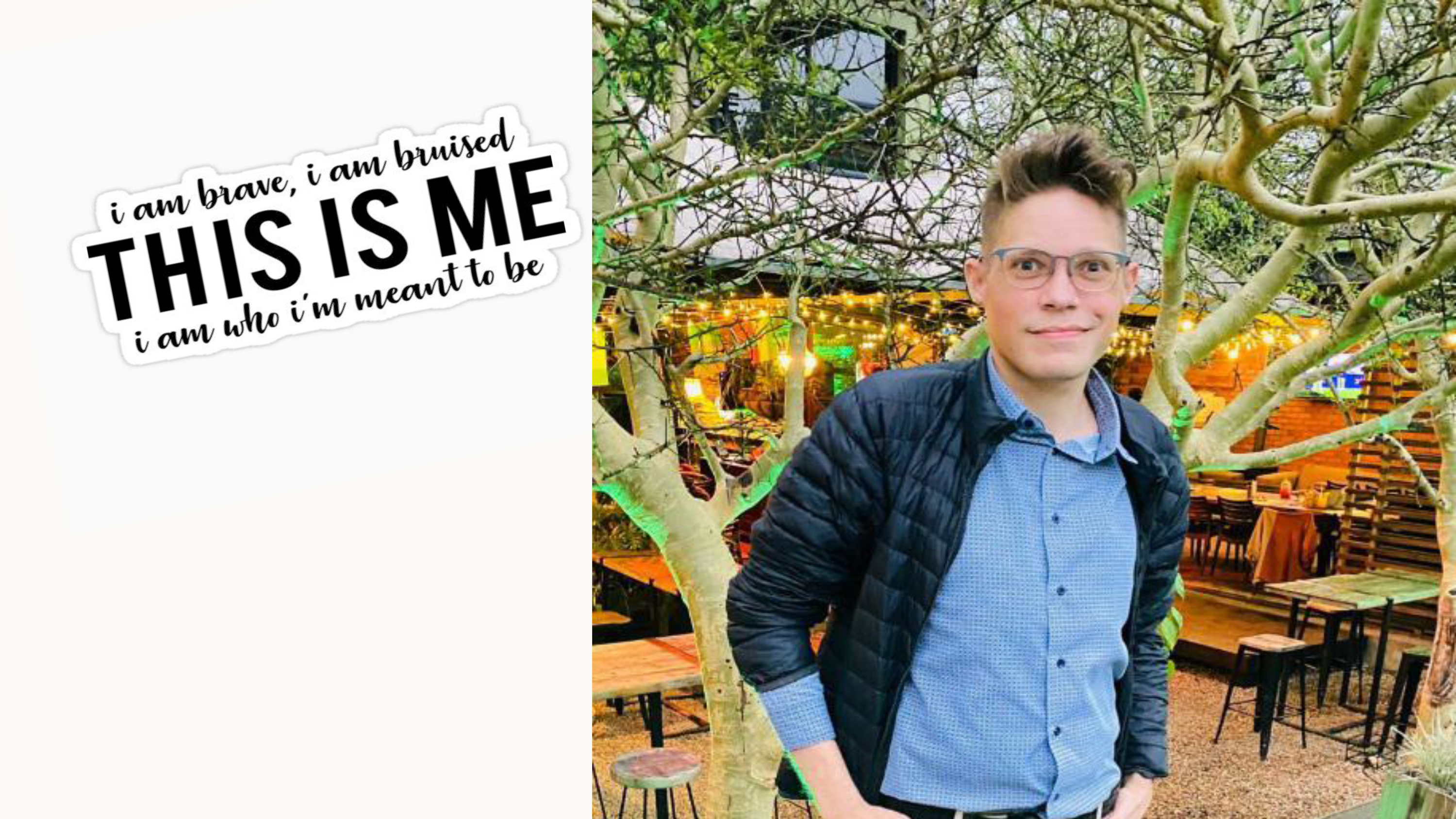
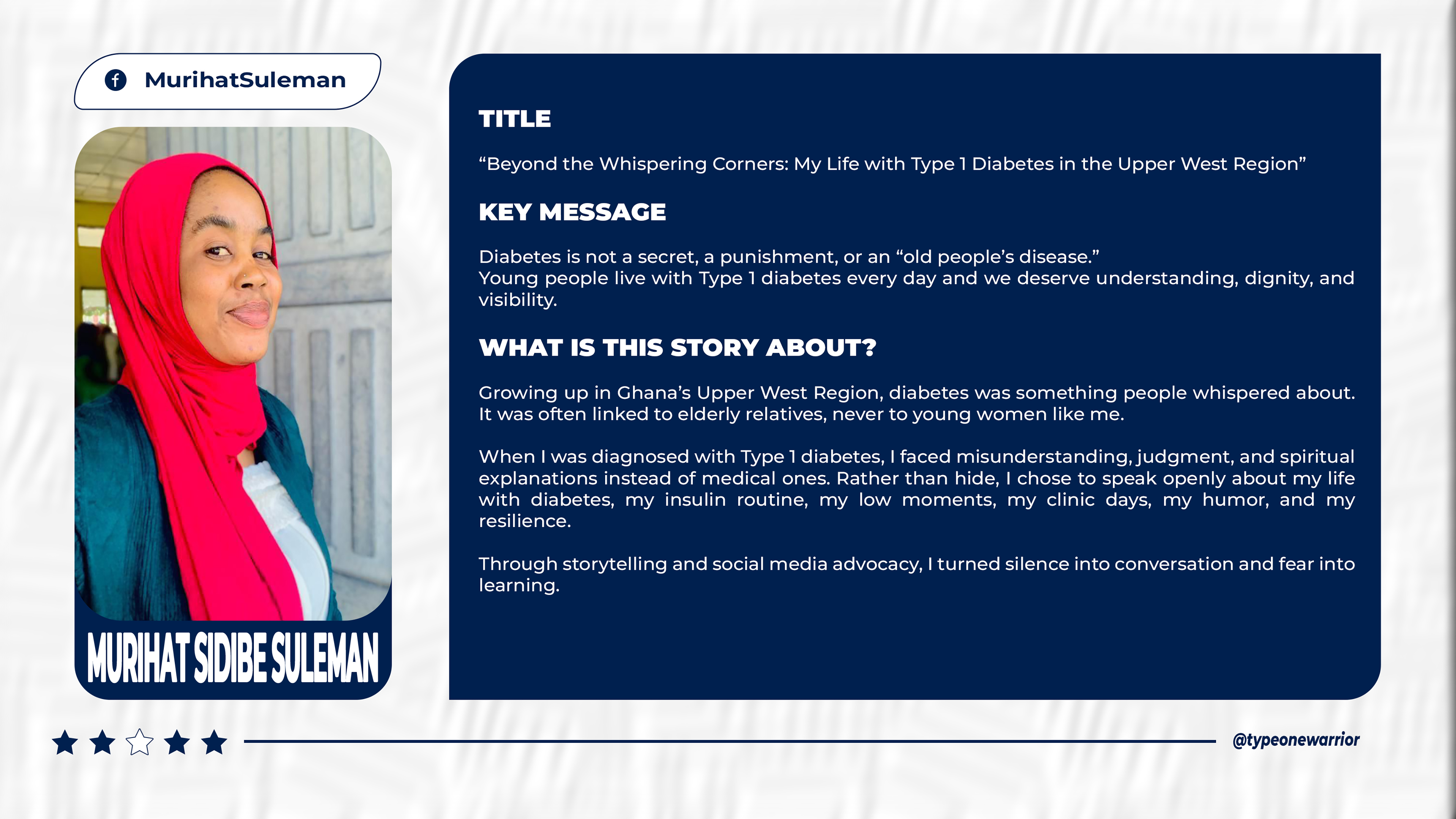
I salute you, my lovely kings and queens. Today, I want to open a small window into my life, my journey living with Type 1 diabetes. I call this journey “Through Stigma and Struggle, I Found Courage and Self-Awareness,” because that is exactly what it has been: a quiet fight that shaped me in ways I never expected.
When I was diagnosed with Type 1 diabetes at just 16, it felt like my whole world shifted overnight. Suddenly, I wasn’t only learning how to check my blood sugar or take insulin… Suddenly, I wasn’t only learning how to check my blood sugar or take insulin; I was learning how to live with a condition that most people around me didn’t understand.
The questions came quickly:
“Are you sure you can eat that?”
“Did you get it because of too much sugar?”
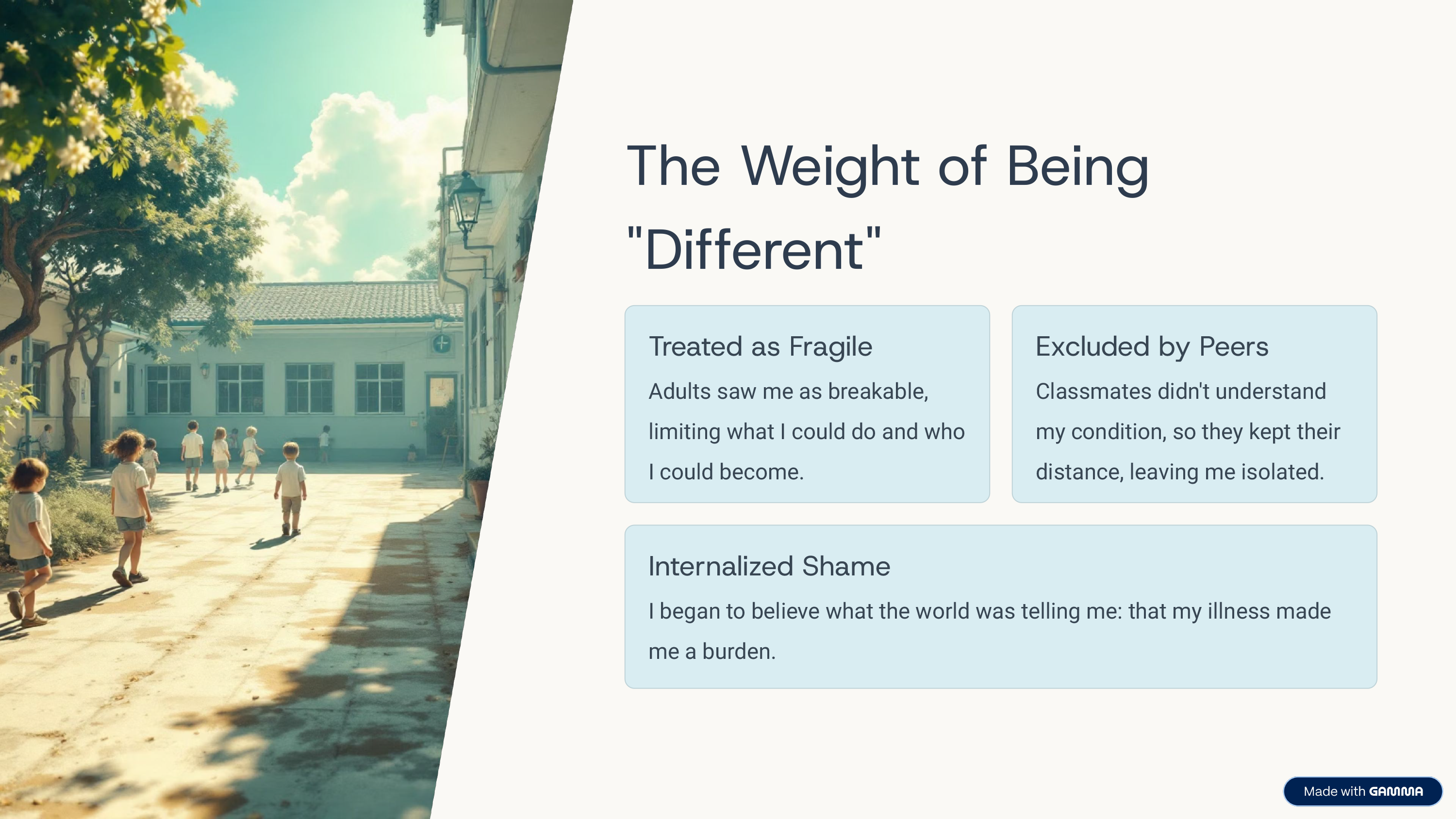
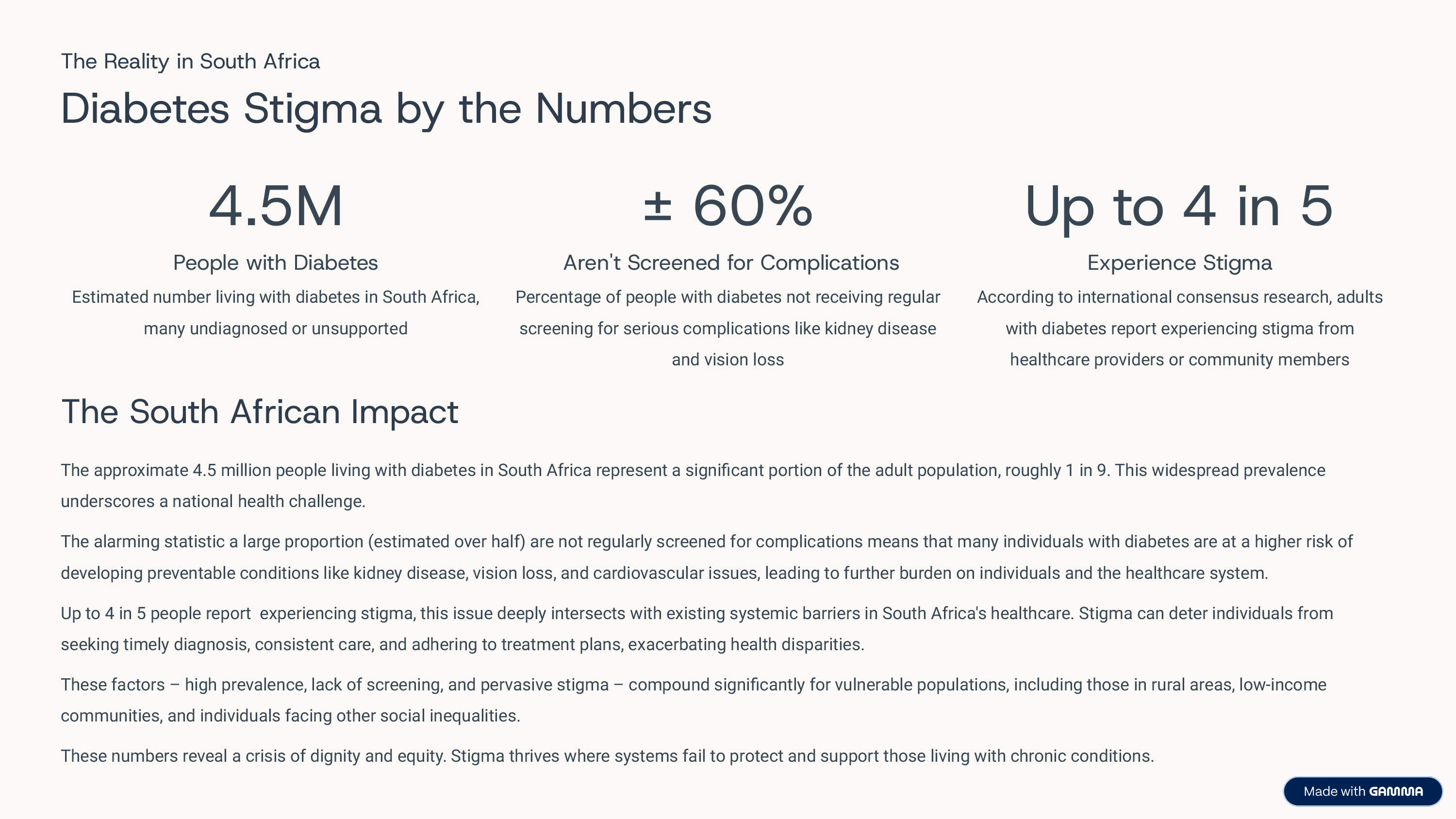
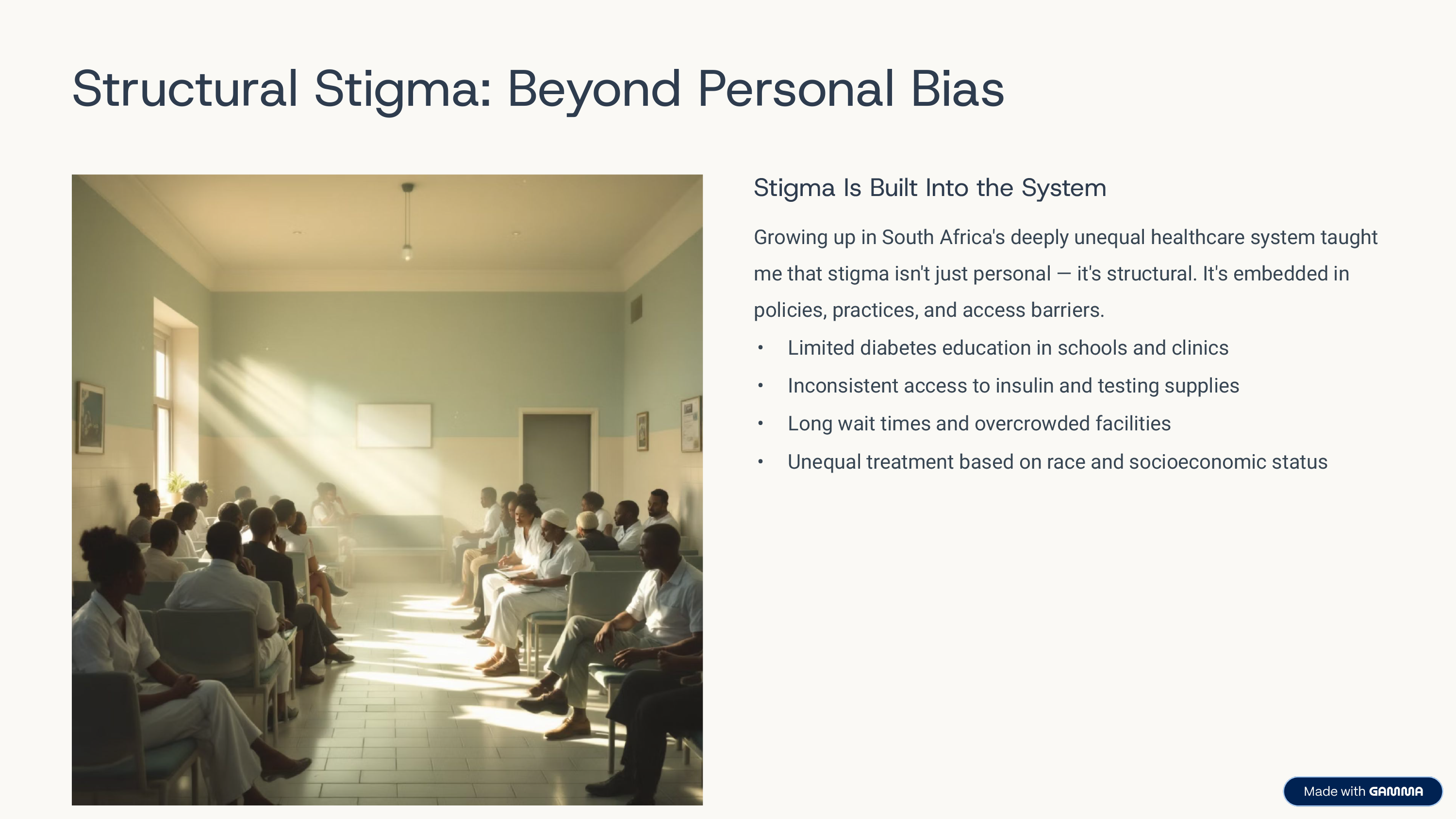
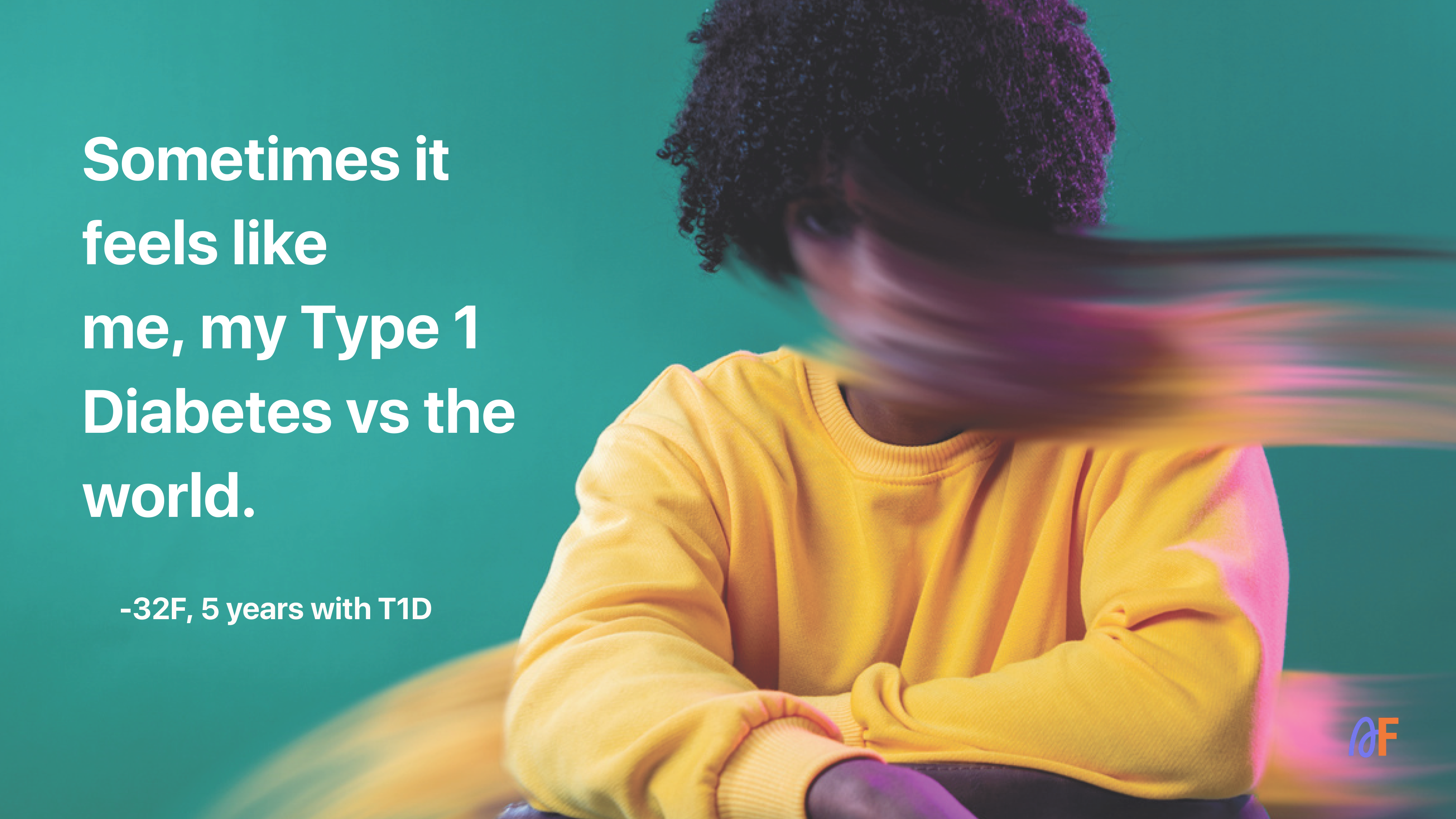
But what hurt more were the judgments, long stares, whispered comments, or the assumptions hidden behind “concerned” looks. In my Ghanaian community, many people believed diabetes was either for the elderly or a punishment for poor lifestyle choices. I was neither old nor careless. Yet, somehow, I found myself carrying the weight of their misconceptions.
So quietly, I began to shrink into myself.
I hid my insulin pen.
I said no to school trips.
I avoided explaining myself because the explanations came with more judgment.
Even at home, questions stung me deeply:
“Are you sure it’s not from your eating habits?”
Those words cut in a way no needle ever could. And little by little, I began to feel ashamed of something I did not cause – something that was simply part of my body.
But life has a way of placing the right people in your path.
My turning point came when I met Kwesi a young man living with diabetes who carried himself with unapologetic confidence. He didn’t hide his diagnosis. I hid my insulin pen. He owned it. And for the first time, I saw someone who looked like me, walked like me, and faced what I faced – standing tall.
Through him, I found a youth support group. I still remember my first day there: sitting in a room where nobody asked “Why?” Nobody judged. Nobody doubted. We just understood each other.
We laughed about our injection mishaps.
We shared stories about scary nights in the hospital.
We cried about fears we had never spoken out loud.
In that room, for the first time in a long time, I felt human again. “Seen.”
That experience changed me.
It pushed me to speak up. I stopped hiding and started sharing my story on social media, in classrooms, in the mosque, anywhere people needed to hear the truth. I spoke not as a victim, but as a young woman learning to rise above stigma. I corrected myths. I educated my peers. I created space for people to ask honest questions without judgment.
Sharing my story became my strength.
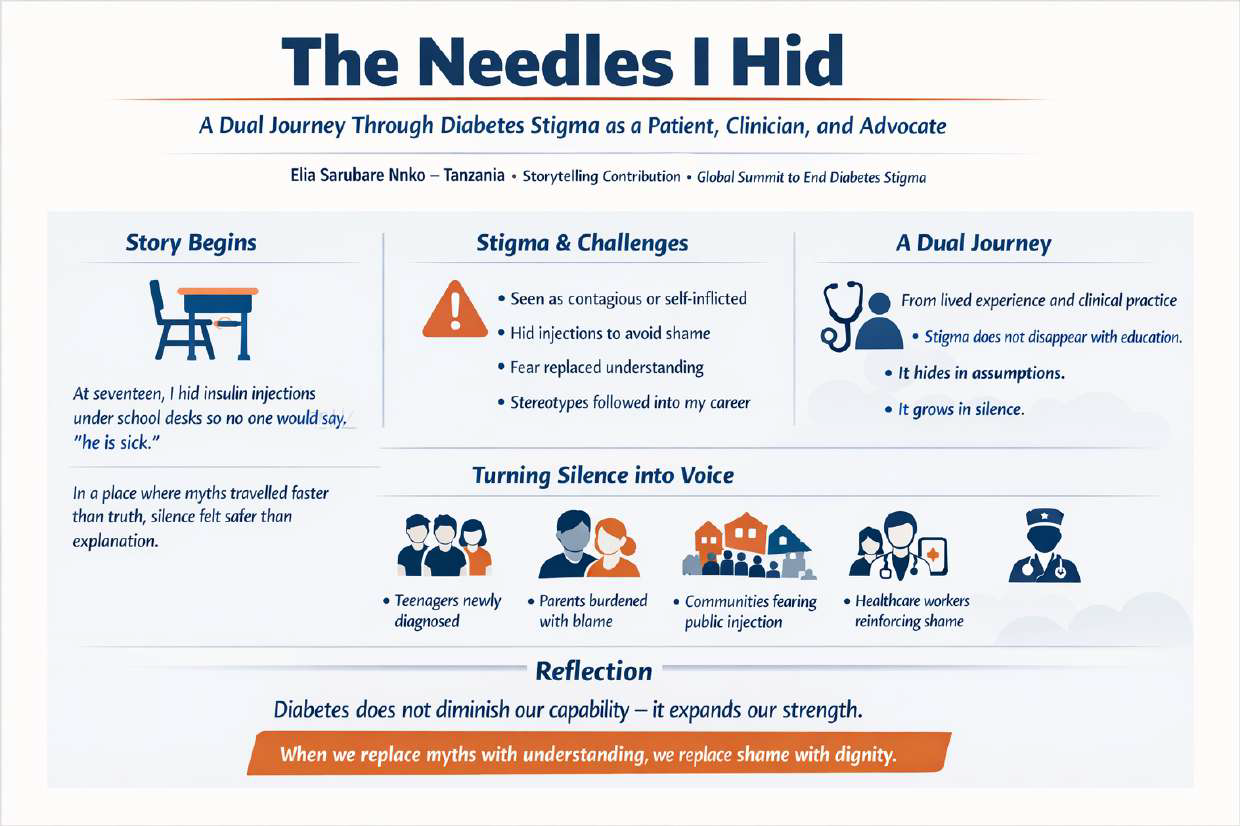
Today, I lead awareness sessions for teenagers newly diagnosed with diabetes. When I look into their eyes, I see myself – the confusion, the fear, the isolation. And I tell them what I wish someone had told me at 16:
You are not broken. You are not broken. You are not broken.
You are not your blood sugar numbers.
You are not broken.
You are learning how to fight… and that alone makes you powerful.
Every time a teenager says, “I thought I was alone,” I’m reminded of why I keep speaking up. Silence breeds stigma. But when we tell our stories, we take back our power.
Why This Story Matters
This journey isn’t just about one girl living with Type 1 diabetes. It’s about how culture, silence, and misunderstanding shape our self-worth. It’s about reclaiming our narratives and using our experiences to lift others.
I’m no longer ashamed of my story.
I’m empowered by it.
And now, I use it to empower others.
Because every time a voice rises, the silence loses its strength – and the world becomes just a little kinder.